
Conservation Farming Village
Type: Approaches
Creation: 2017-03-20 08:28 Updated: 2017-04-05 15:29
Compilers: Philippine Overview of Conservation Approaches and Technologies
Reviewers: Ursula Gaemperli
Country/ region/ locations where the Approach has been applied
- Country: Philippines
- Region/ State/ Province: Negros Oriental
- Further specification of location (e.g. municipality, town, etc.), if relevant: La Libertad
- Map: View Map
Description of the SLM Approach
Short description of the Approach
A modality in mobilizing resources for sustainable upland development which utilizes a basket of strategies, technologies, and interventions to catalyze the widespread transformation of traditional upland farming systems into resilient and sustainable upland production systems.
Detailed description of the Approach
The objectives of Conservation Farming Village (CFV) are the following: to enhance farmers' adoption of sloping land management technologies through Science and Technology-based farming; to capacitate key groups and stakeholders in the community to better manage fragile upland resources; to conduct sustainability exercises to ensure sustainability of upland community development; to establish linkages among research-extension agencies and organizations for capacity building; and to provide support systems for the conservation farming communities.
The methods involved in the approach include capacitating upland farmers for sustainable development; strong Local Government Unit (LGU) support system; and establishing collaborative linkages and partnership as a tool for an enhanced support system.
The project of CFV in La Libertad, Negros Oriental was initiated in 2009. The first stage in the implementation of the approach is program orientation followed by community profiling. Then, Community Organizing or People's Organization strengthening. After that, technical trainings, barangay development council and municipal development council meetings were conducted to capacitate the farmers. Farm establishment was done through 'bayanihan' or group volunteerism, and lastly, farmers were encouraged to participate in the CFV.
The National Program Coordinating Office, Philippine Council for Agriculture, Aquatic and Natural Resources Research and Development (PCAARRD) and academic institutions (University of the Philippines Los Baños, Silliman University) provided technical support in the conceptualization and implementation of CFV. The LGU of La Libertad conducted the following : (1) capacity building for farmer volunteers and adopters; (2) assist in the establishment of science and technology-based conservation model farms; (3) incorporate CFV activities in the LGU Annual Investment Plan; and (4) provision of livelihood and support mechanisms to farmers.The implementation of the CFV project became a focal point of convergence of relevant and related activities being undertaken in the upland communities of La Libertad by Non-Government Organizations (NGOs), Government Offices (GOs) and other institutions.Through this approach, the farmers have made linkage with other service providers that enhanced the farmers' access to examine other technology options, livelihood opportunities, credit and financing source, and others that may help the farmers.
Photos of the Approach
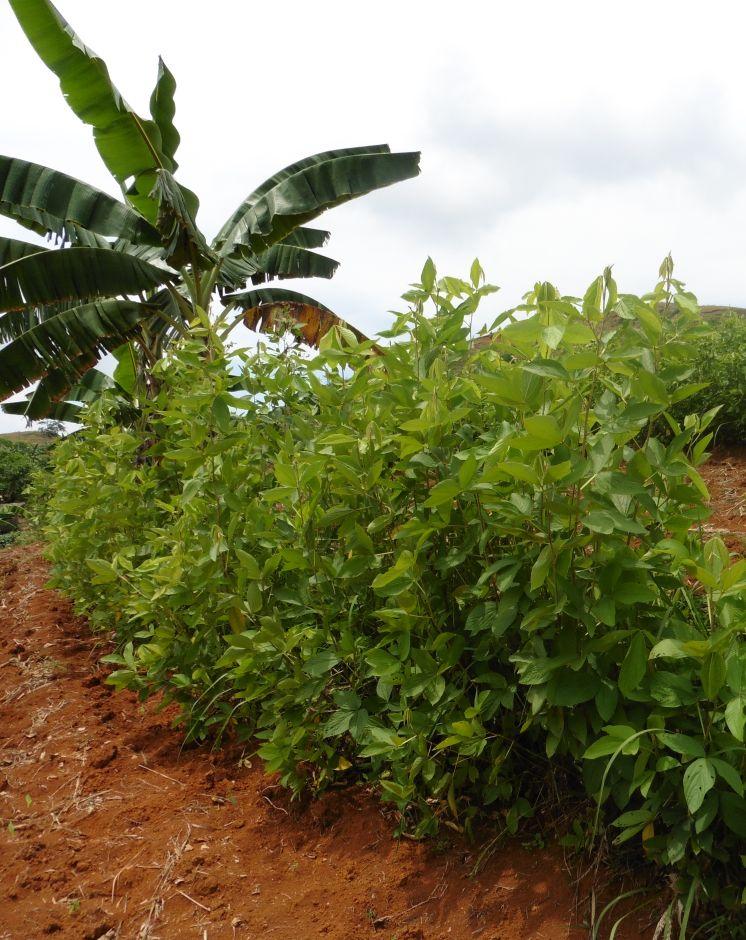
- 📍 La Libertad, Negros Oriental
- 📷 Engr. Djolly Ma. P. Dinamling, Bureau of Soils and Water Management
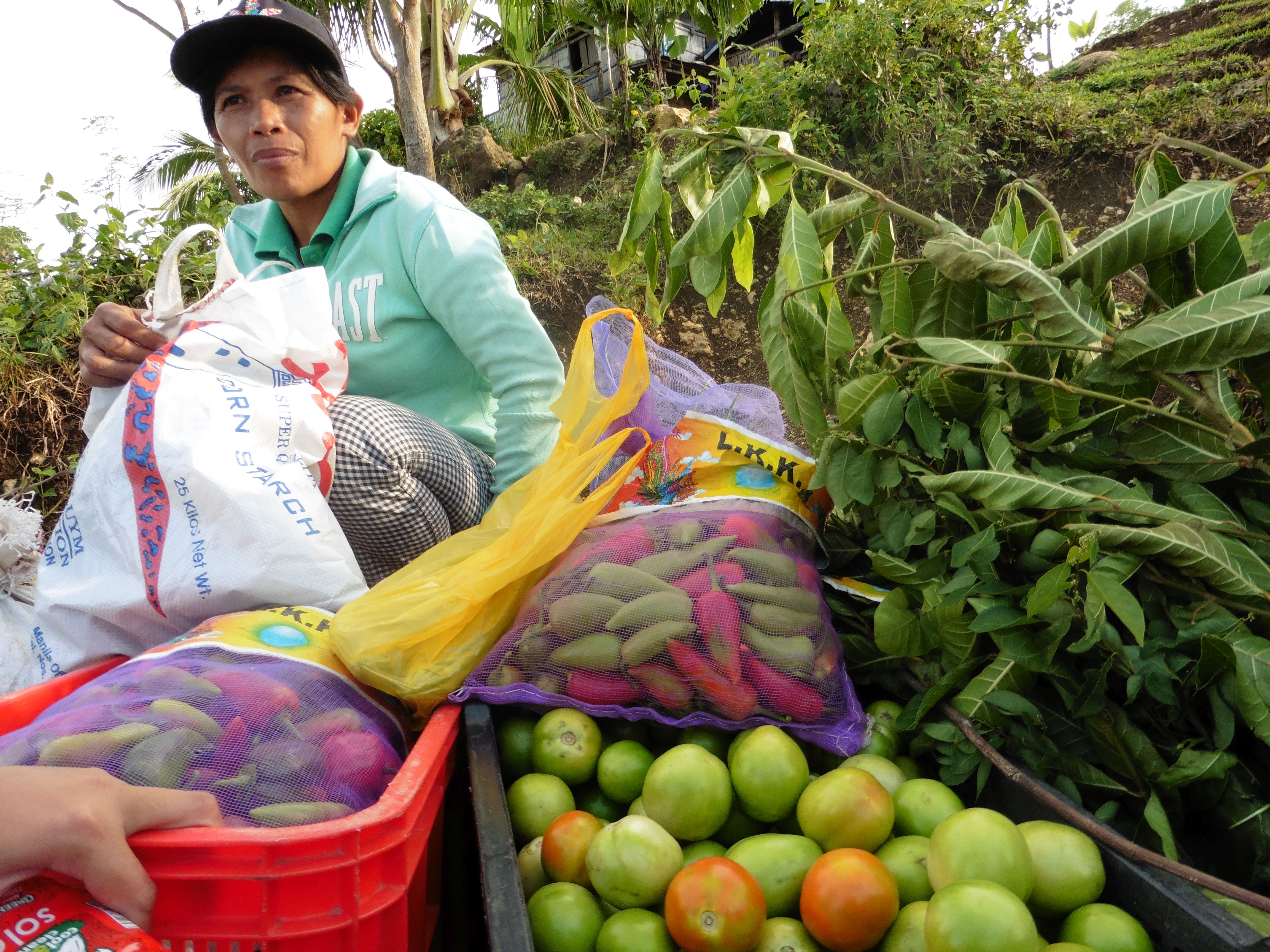
- 📍 Brgy. Nassungan, La Libertad, Negros Oriental
- 📷 Engr. Djolly Ma. P. Dinamling (Bureau of Soils and Water Management)