
Disability inclusive Disaster Risk Reduction
Type: Approaches
Creation: 2017-03-22 13:35 Updated: 2017-11-01 10:45
Compilers: Subir Saha
Reviewers: Alexandra Gavilano
Country/ region/ locations where the Approach has been applied
- Country: Bangladesh
- Region/ State/ Province: Gaibandha District
- Further specification of location (e.g. municipality, town, etc.), if relevant: Horipur Union, Sundargonj Sub district
- Map: View Map
Description of the SLM Approach
Short description of the Approach
The disability inclusive approach is centered around the meaningful contribution and leadership of persons with disabilties during the entire project management cycle, from the planning stage to the evaluation of the impact of a project. It contributes to empowering them to overcome social exclusion and recognizes their needs and priorities as persons who are disproportionally at risk of disaster.
Detailed description of the Approach
The main charactistic and central feature of the approach is that persons with disabilties can actively and meaningfully participate in, contribute to and benefit from sustainable land management/disaster risk reduction activities. The implementing organization needs to invest sufficient time and financial ressources into the formation and strenthening of self-representation groups of persons with disabilities and support their active engagement with the local government and the wider community to address the physical and attitudinal barriers that hinder their full participation in the project and society in general.
The aim is twofold: On the one hand, the participation of persons with disabitities ensures that their needs and priorities are fully taken into account in the project design and implementation, to ensure that they can benefit equally from it. On the other hand, it contributes to reducing barriers beyond the project and empowers them to demand their rights in other areas of human development, like education, health or livelihood.
The main stages of disability inclusion in the implementation of a SLM/DRR technology are:
1) Formation of self-help groups for persons with disabilities,
2) trainings and other capacity development activities for the groups, including rights awareness sessions and organizational management trainings,
3) set up the collaboration between the groups and the local government and with other members of the community,
4) participation of persons with disabilities/group members in the planning phase to decide on the technology and adapt the technology to universal design standards, which takes into account their needs and the needs of other groups with other specific accessiblity needs, like the elderly or pregnant women,
5) persons with disabilities (together with other land users) support the introduction of the technology (including the construction activities) by providing manual labor and supervision functions
6) full handover of the technology to land users, ensuring Joint ownership includes persons with disabilities, and provision of trainings for self-maintenance,
7) participation of persons with disabilties in the evaluation of the impact of the technology, sharing of lessons and good practices and continuous advocacy for community development and for the rights of persons with disabilties.
Experience from Bangladesh shows that what the land users, including persons with disabilties, like about the approach is: The strong community engagement, the empowerment and increased status of persons with disabilities, the collaboration between persons with disabilities and persons without disability, and the adaptation of existing technology to fit the needs of persons with disability.
Photos of the Approach
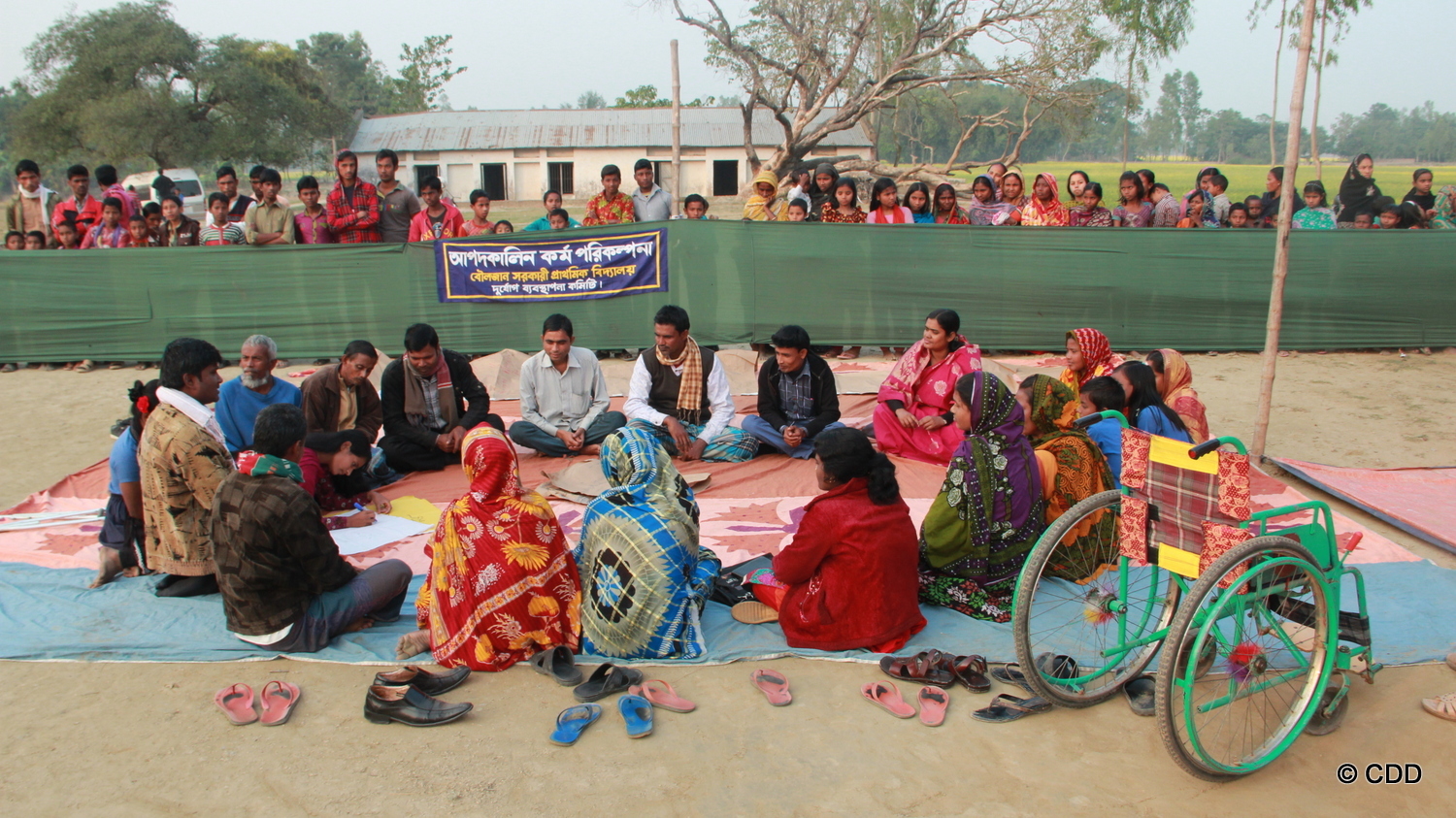
- 📍 Horipur Union, Sundargonj Sub district, Gaibandha District, Bangladesh
- 📷 Md. Shahidul Islam, CDD
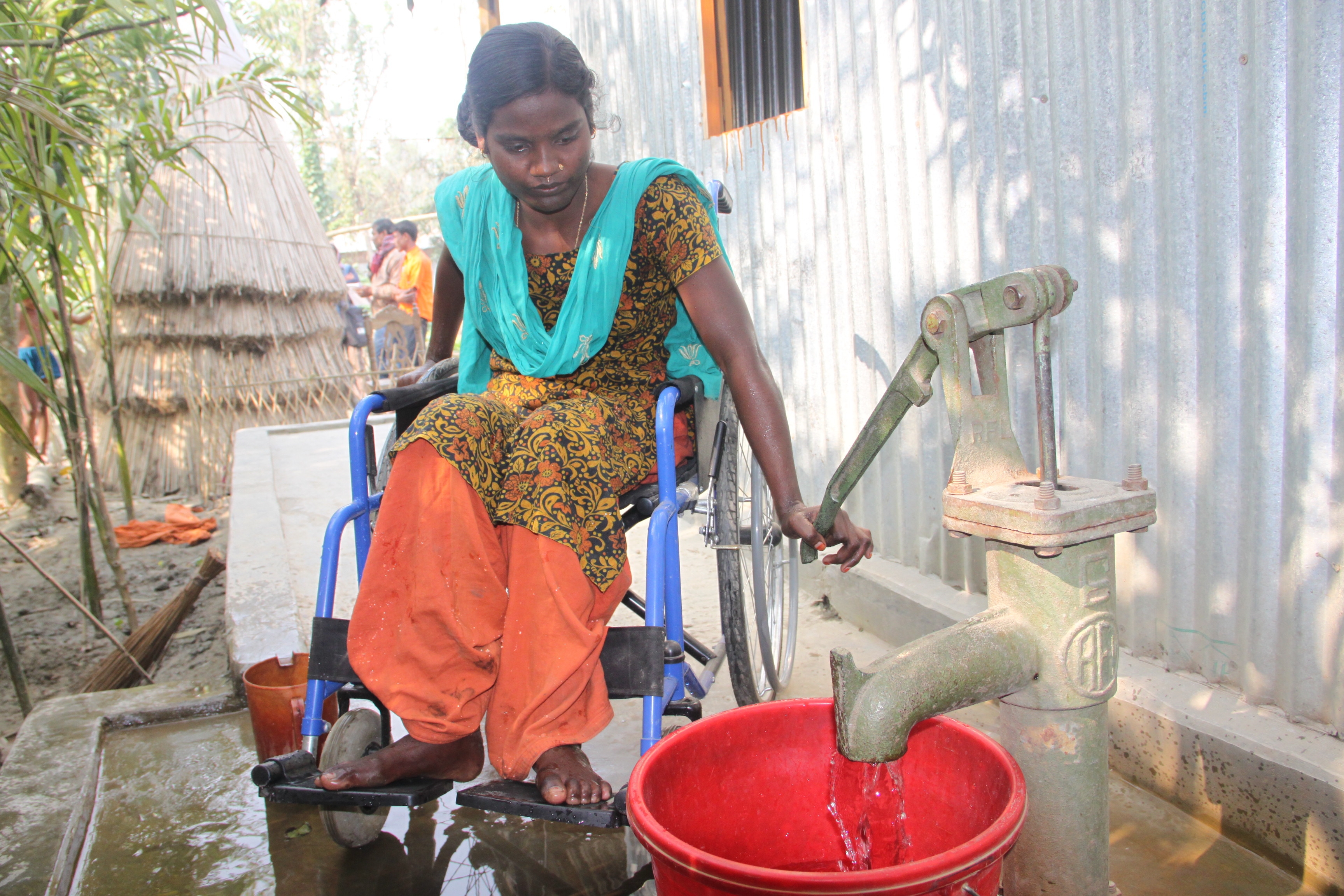
- 📍 Horipur Union, Gaibandha District, Bangladesh
- 🗓 2011-05-01
- 📷 Shahidul Islam, CDD