
Integrated watershed management for landslip and stream bank stabilisation
Type: Approaches
Creation: 2009-01-19 00:00 Updated: 2018-04-04 11:50
Compilers: Dileep Kumar Karna
Reviewers: Fabian Ottiger, Deborah Niggli
Country/ region/ locations where the Approach has been applied
- Country: Nepal
- Region/ State/ Province: Bagmati Watershed
- Map: View Map
Description of the SLM Approach
Short description of the Approach
Integrated watershed management as an example for landslip and stream bank stabilisation based on fostering a partnership between community institutions, line agencies, district authorities and consultants
Detailed description of the Approach
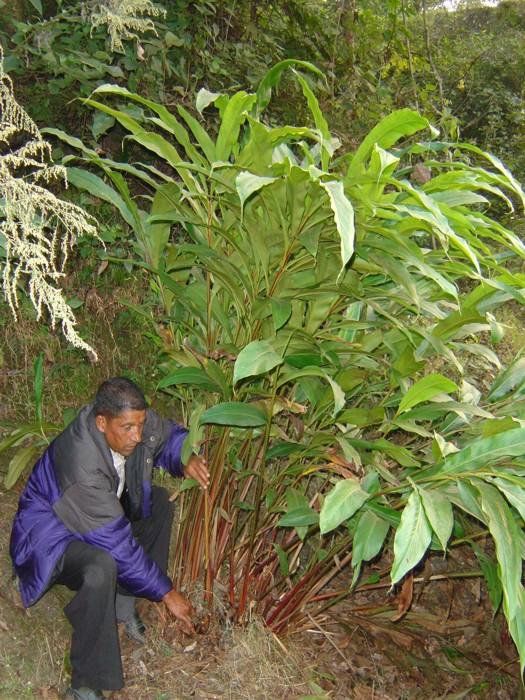
Aims / objectives: The sustainable management of mountain watersheds is a huge challenge for watershed management programmes due to the lack of collaboration between the various institutions involved. Building of synergies between these institutions is crucial for improved management. The Bagmati Integrated Watershed Management Programme (BIWMP) started in 1986, initiated, coordinated, and organised by the Department of Soil Conservation and Watershed Management with support from the European Commission. The programme aimed to help overcome natural resource degradation and thereby raise the standard of living of the rural population. The main causes of degradation and options to address the related problems were identified through participatory action research. Landslip and stream bank stabilisation was identified as one of the most promising and needed options to conserve soil and water, whilst providing direct livelihood benefits to local people, for example planting of large cardamom, later used as a cash crop, and reestablishment of damaged agricultural terrace above the landslip. The approach was to foster partnership between and among communities, district authorities, line agencies, and consultants. Key priorities were to ensure the equitable involvement of women and socially disadvantaged people and to promote local ownership, institutional capacity building, and sustainability.
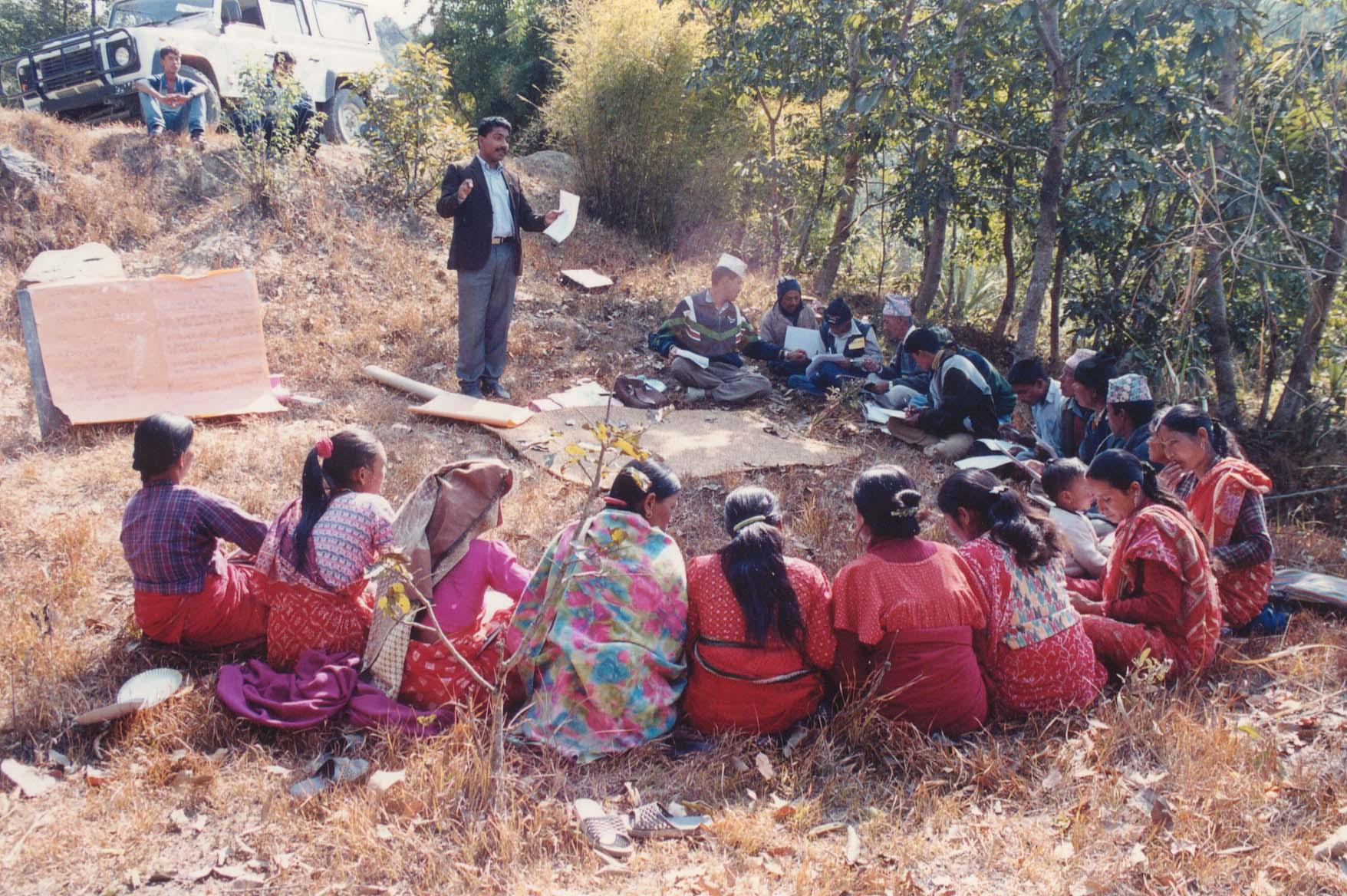
Methods: The programme used participatory extension methods such as farmer-to-farmer exchange, training workshops, and onsite demonstrations, with participatory approaches to planning, implementing, and monitoring. The activities were based on villager’s priorities and were implemented by individual households, farmer groups, and village institutions. The local village development committee, local NGOs, community forest user group, and individual households worked together on landslip and stream bank stabilisation. Involving a range of stakeholders was paramount for success.
Stages of implementation: The first phase began in 1986 and focused on developing technical packages which were implemented through user groups. The second phase focused on improvements to implementation procedures, especially community organisation, extension, and income generation activities. The capacity of community groups was developed by establishing communication facilities, building up community networks, and empowering women and disadvantaged groups. BIWMP ended in 2003 with much of its success attributed to the close involvement of all the main stakeholders, and especially the local people, in all the activities. It successfully helped land users to adopt improved livelihood options.
Photos of the Approach
- 📍 Sankhu, Salambutar, Kathmandu, Nepal
- 📷 BIWMP, Kathmandu, Nepal
- 📷 Hanspeter Liniger