Creation of sowed pastures from subshrubs and forbs able to use maximally the scanty water resources
Type: Approaches
Creation: 2009-01-20 00:00 Updated: 2025-08-13 08:06
Compilers: Irina Skorintseva
Reviewers: Fabian Ottiger, Rima Mekdaschi Studer
Country/ region/ locations where the Approach has been applied
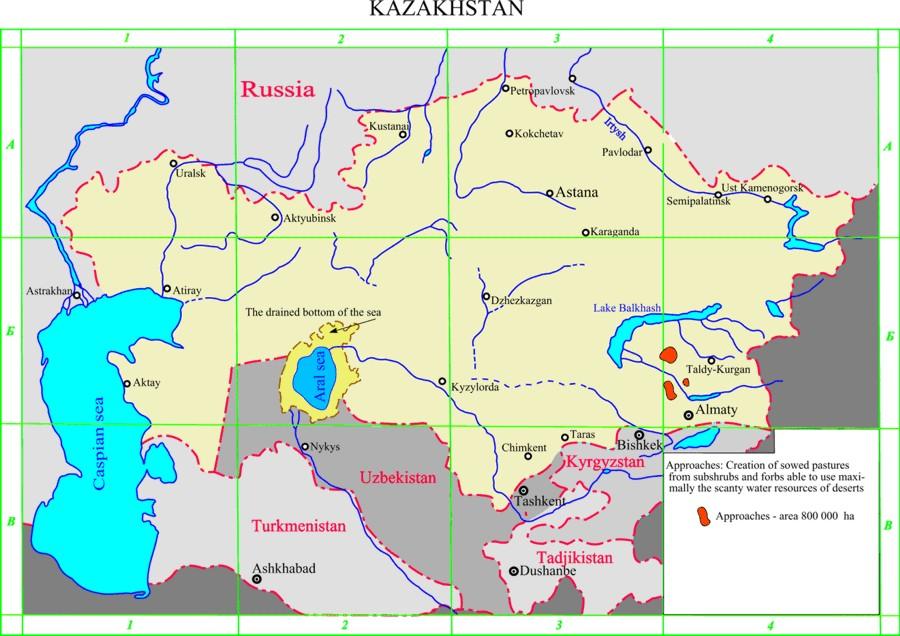
- Country: Kazakhstan
- Region/ State/ Province: South Pribalkhashye
Description of the SLM Approach
Short description of the Approach
Increase of use effectiveness of limited resources of soil moisture in desert with sowing xerophyte fodder plants
Detailed description of the Approach
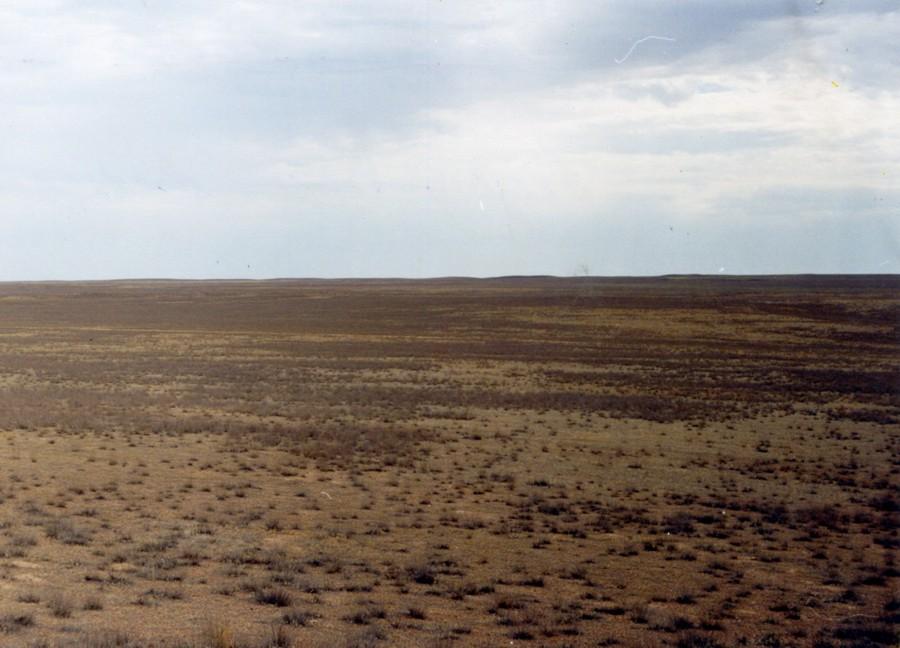
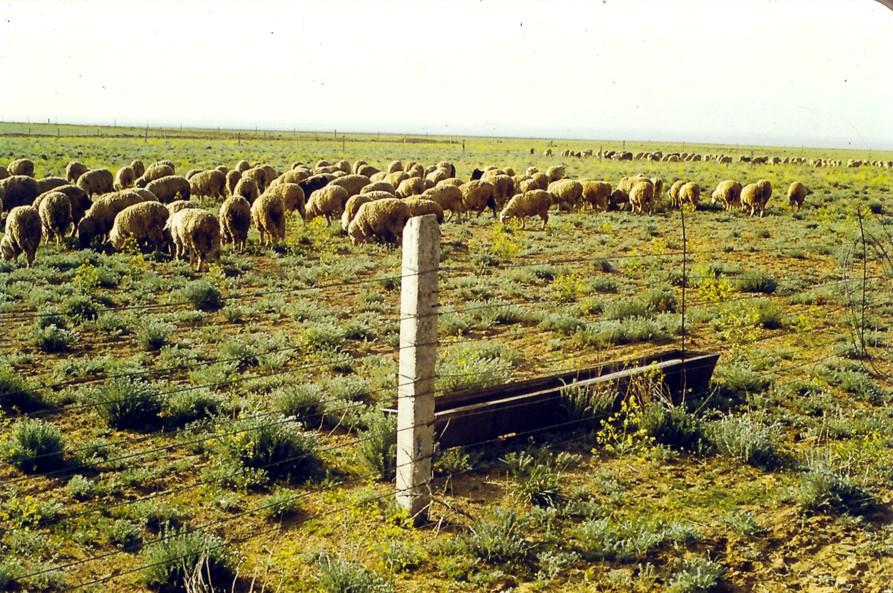
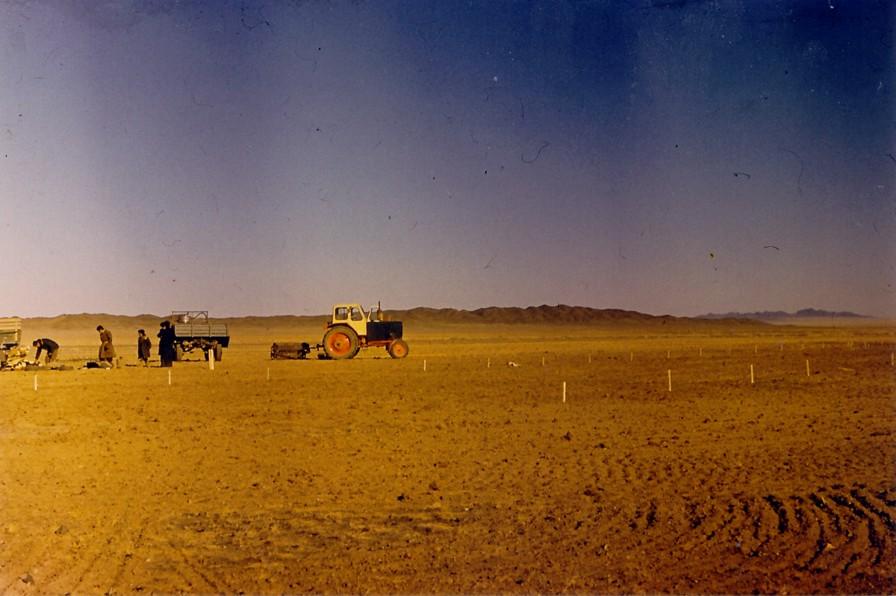
Aims / objectives: Vegetation of North desert in modern condition is defective as cenosis owing to anthropogenic factor. Existing phytocenosis is characterized by low saturation of soil with plant organs. Therefore such cenosis can not use material resources of soil maximally (rootage penetrate into soil not more than 80 cm depth). Creation of sowed pastures with plant such as Kochia, Salsola, Artemisia, Ceratoides gives the possibility to use soil resources (first of all, moisture) more, better due to powerful rootage penetrating into soil up to 2.5 m). The method was approved and allows to increase productivity by 2-2.5 times. Studies in South Pribakhashye showed that in spring soil under degraded pasture contain 295-474 tons of productive moisture, 32-57 tons of humus,3-8 tons of common nitrogen per ha. At the same time association of sowed sbushrubs occupies soil layer 0-250 cm, what contains 652-1080 tons of productive moisture, 50-61 tons of humus, 11-52 tons of common nitrogen per ha. Degraded pastures could form 210 kg of dry matter per ha while pastures created on SWC-method - up to 580-600 kg per ha.
Photos of the Approach