Community based sustainable livelihoods
Type: Approaches
Creation: 2009-01-20 00:00 Updated: 2017-07-18 07:22
Compilers: Unknown User
Reviewers: Fabian Ottiger
Country/ region/ locations where the Approach has been applied
- Country: India
- Region/ State/ Province: ORISSA
- Map: View Map
Description of the SLM Approach
Short description of the Approach
Sustainable livelihoods enhanced through people's organisations by linking with other resource organisations prticularly for resource poor.
Detailed description of the Approach
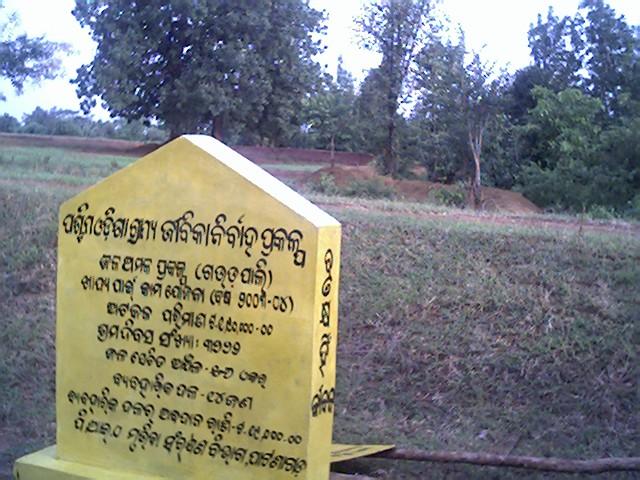
Aims / objectives: The name of the project is western orissa rural livelihoods project, supergoal-reduction of poverty in rainfed areas of India, goal- More effective approaches to sustainable rural livelihoods adopted by government agencies & other stakeholders in KBK districts & elsewhere. The overall purpose is sustainable livelihoods, particularly fo the poorest, promoted in 4 districts in replicable ways by 2010 & to reduce poverty by promoting livelihoods initiatives particularly resource poor. Unlike DFID(I)'s earlier rural development projects, WORLP will work within government & follow GOI's watershed guidelines, but extra resources for ' watershed plus' activities: capacity building, minor irrigation, drinking water & livelihood initiatives for the poorest. WORLP is a part of wider effort to help Ministry of Rural Development (MoRD) improve the effectiveness of watershed work nationally;'watershed plus' approach developed in WORLP will be tested for wider replication.
Methods: The project will have basically four types of impact: production impact, employment impact, Poverty alleviation impact & capacity building impact.The project would directly reavh a population of 725,000 people, 80% of whom would be people below poverty line-landless, marginal & small farmers. The Director of the Watershed Mission will answer to an empowered committee chaired by the Chief Secretary; district level will be strenghthened by the appointment of a Project Director-Watershed projects & staff to work alongside the District Rural Development Agencies, funds will be tranferred from the PD-DRDA to the PD-WSP; GoO has appointed full time watershed development teams at block level to support implementation of the KBK plan; WORLP may use these teams, but can also use other government agencies(including Forestry Department in areas with forest land) or NGOs as PIAs. DFID will finance a Project Support Unit at Bhubaneswar, Capacity Building Teams in districts & Livelihood Support Team at block level. The project will fall under state leve Watershed Mission, created to oversee implementation of all MoRDIts main focus is to work with existing strengths & build upon them. In this area 60 to 70% of th population live below official poverty line. Erratic rainfall, limited irrigation, poor capacity of government agencies & restricted opportunities for non-land based activities are major factors. But the key to poverty seems to be the structure of social relations: caste, untouchability, skewed land distribution, land alienation, dependence on money lenders, encroachment on common property resources, gender issues, all of which prevent access by pooe groups to natural resources.
Photos of the Approach