PARTICIPATORY APPROACH IN IDCWDP, DANIDA
Type: Approaches
Creation: 2009-01-21 00:00 Updated: 2017-07-18 07:44
Compilers: Srikanta Kumar Parida
Reviewers: Fabian Ottiger
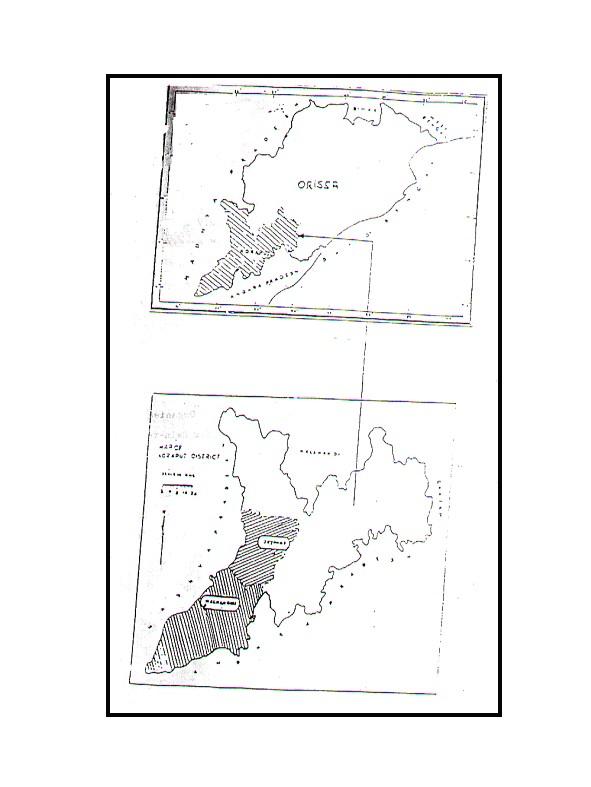
Country/ region/ locations where the Approach has been applied
- Country: India
- Region/ State/ Province: Orissa
- Map: View Map
Description of the SLM Approach
Short description of the Approach
Participatory approach for holistic and intigrated development of the defined area on watershed basis involving all level of stake holders.
Detailed description of the Approach
Aims / objectives: Long term - Establish suitable and locally acceptable land use system which are sustainable and ecologically sound.The land use system should enable the poor rural community to improve their living condition and tsupply of food, fuel and fodder and other essentials, without exposing the natural resources to harmful stress. Intermediate Objective- Preserve the resource base by introducing improvemnets which are feasible, effective and attractive to the target groups in the area by combining elements of soil conservation, crop production, horticulture, animal husbandary and tree planting in such a way that sustaibale use is made of every niche of land within the watershed.
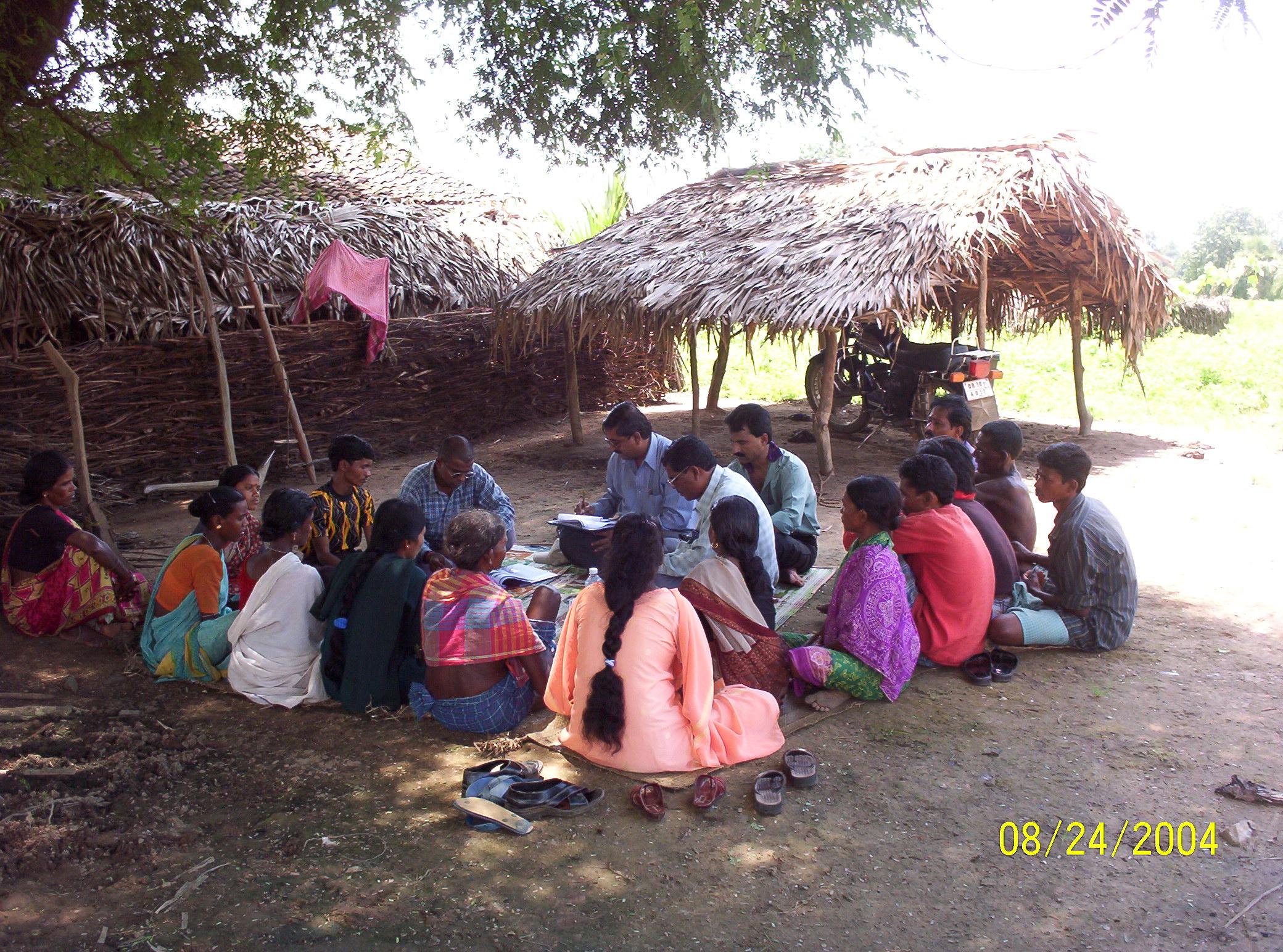
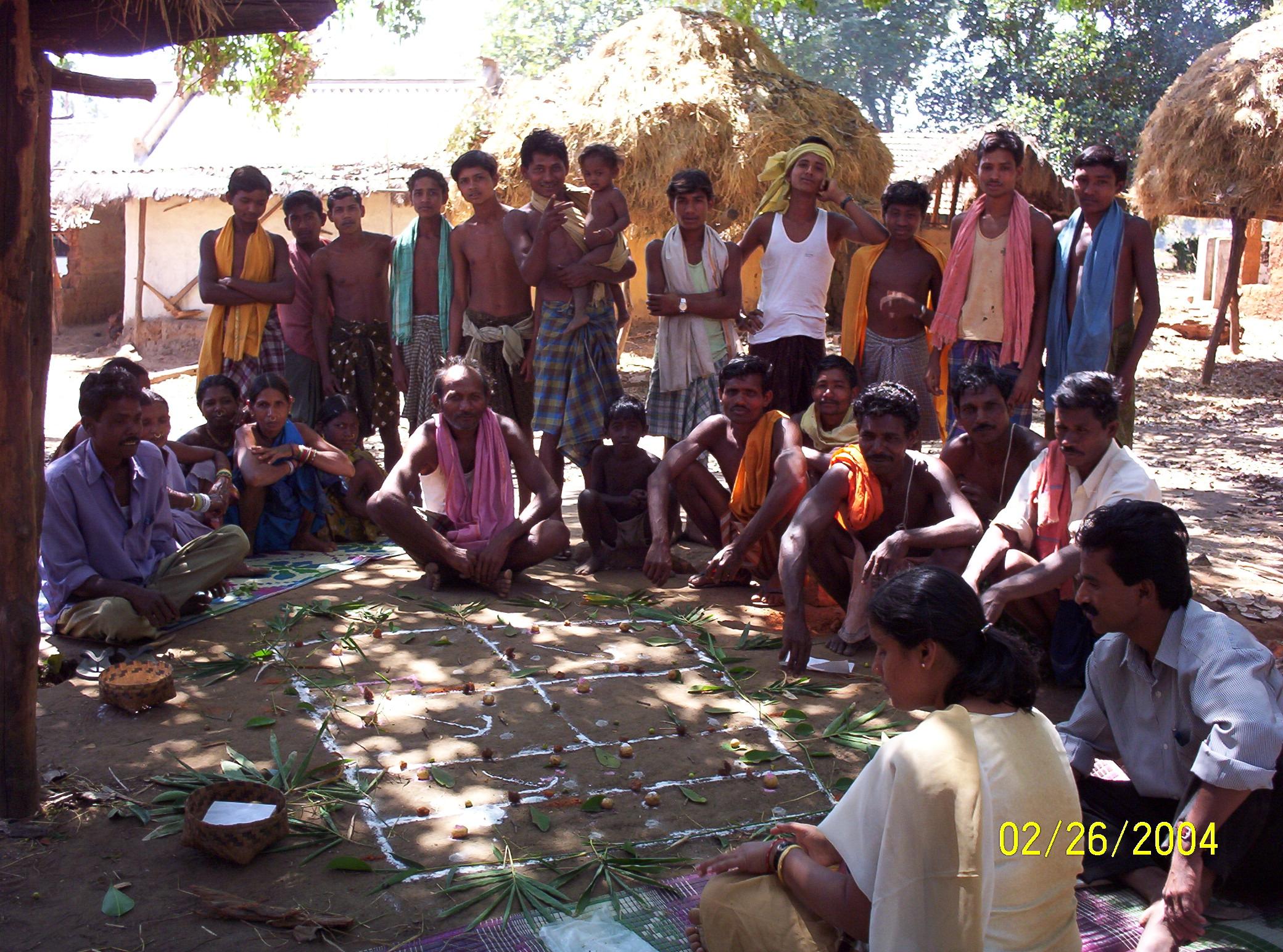
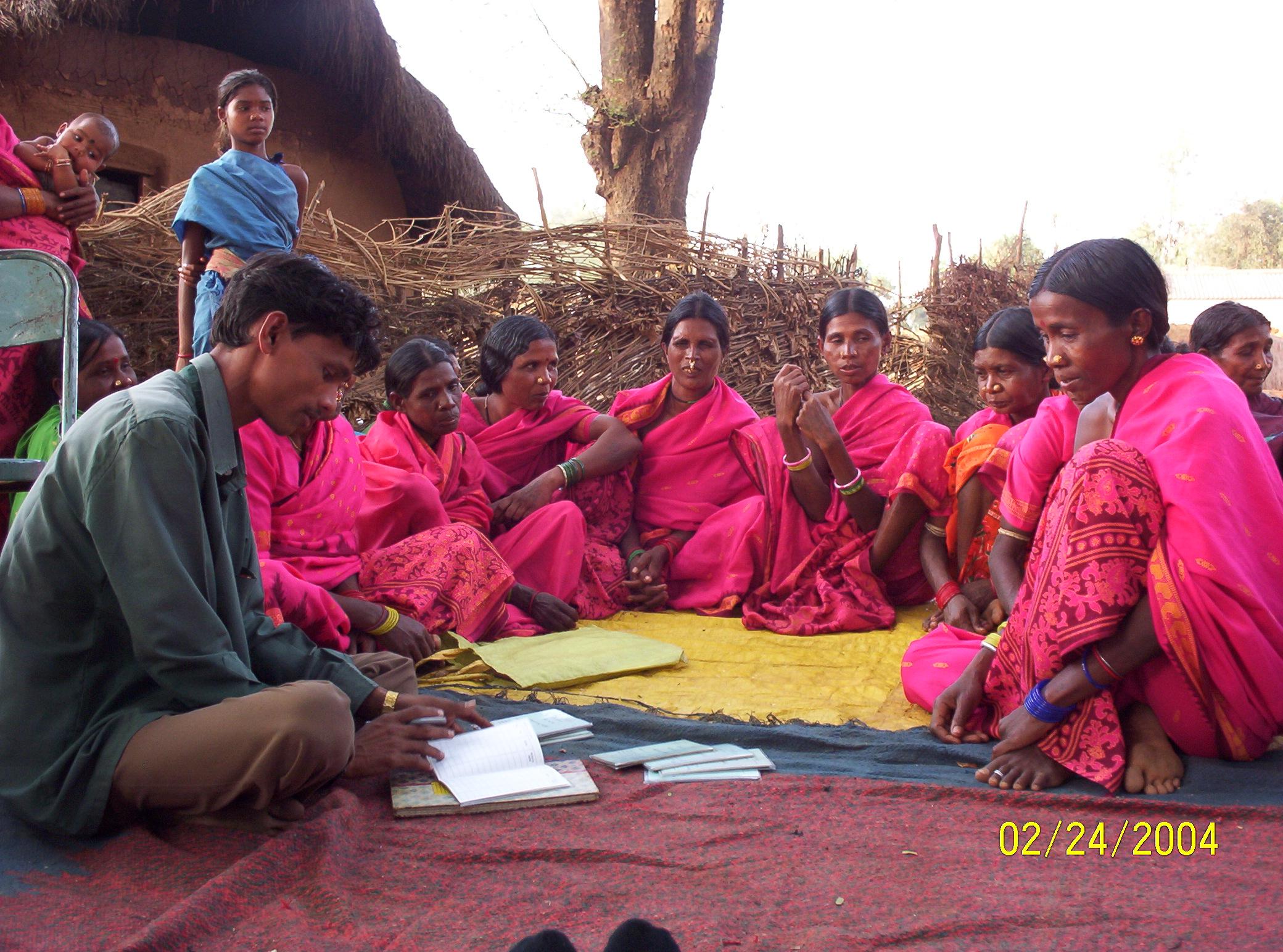
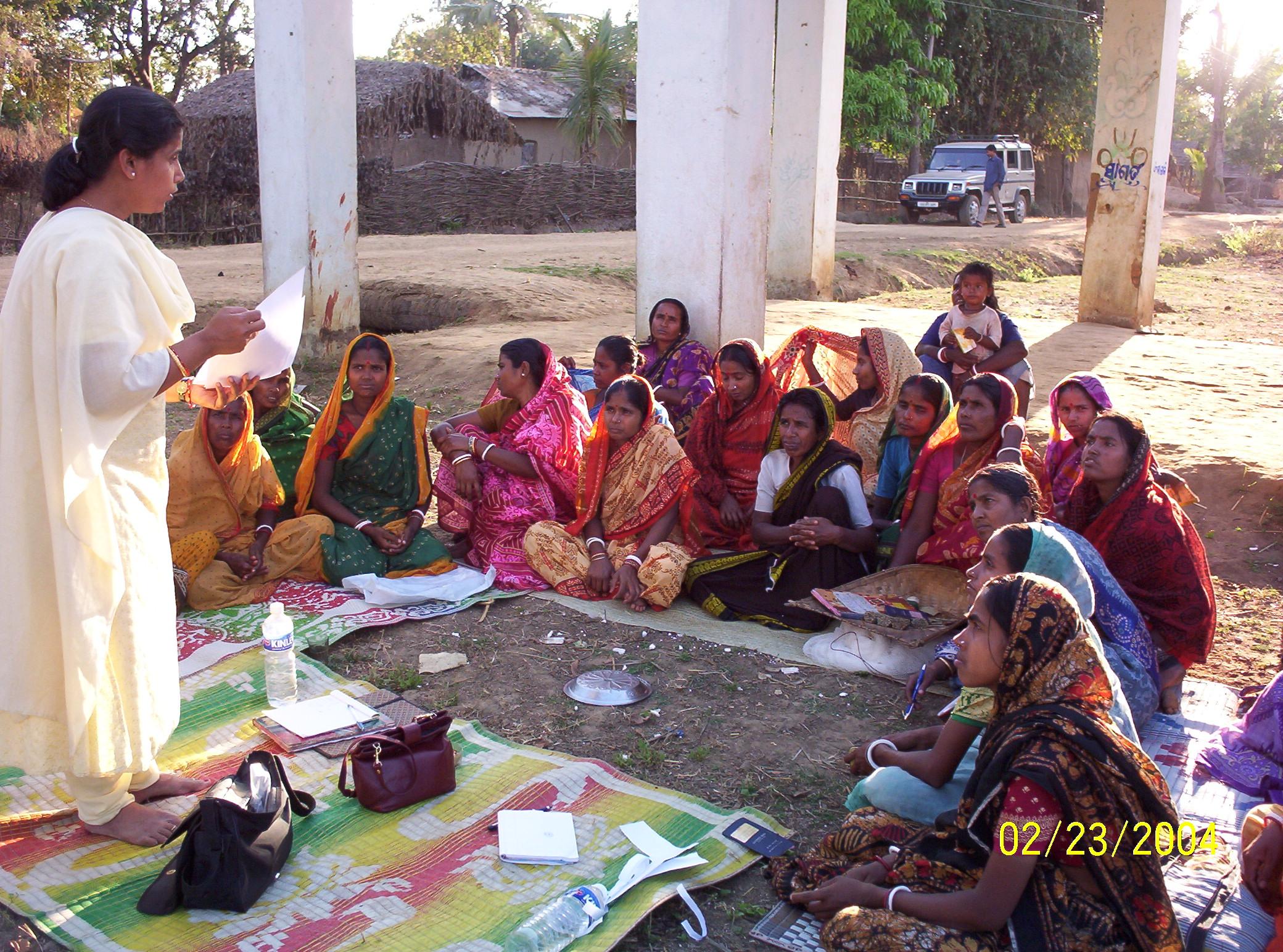
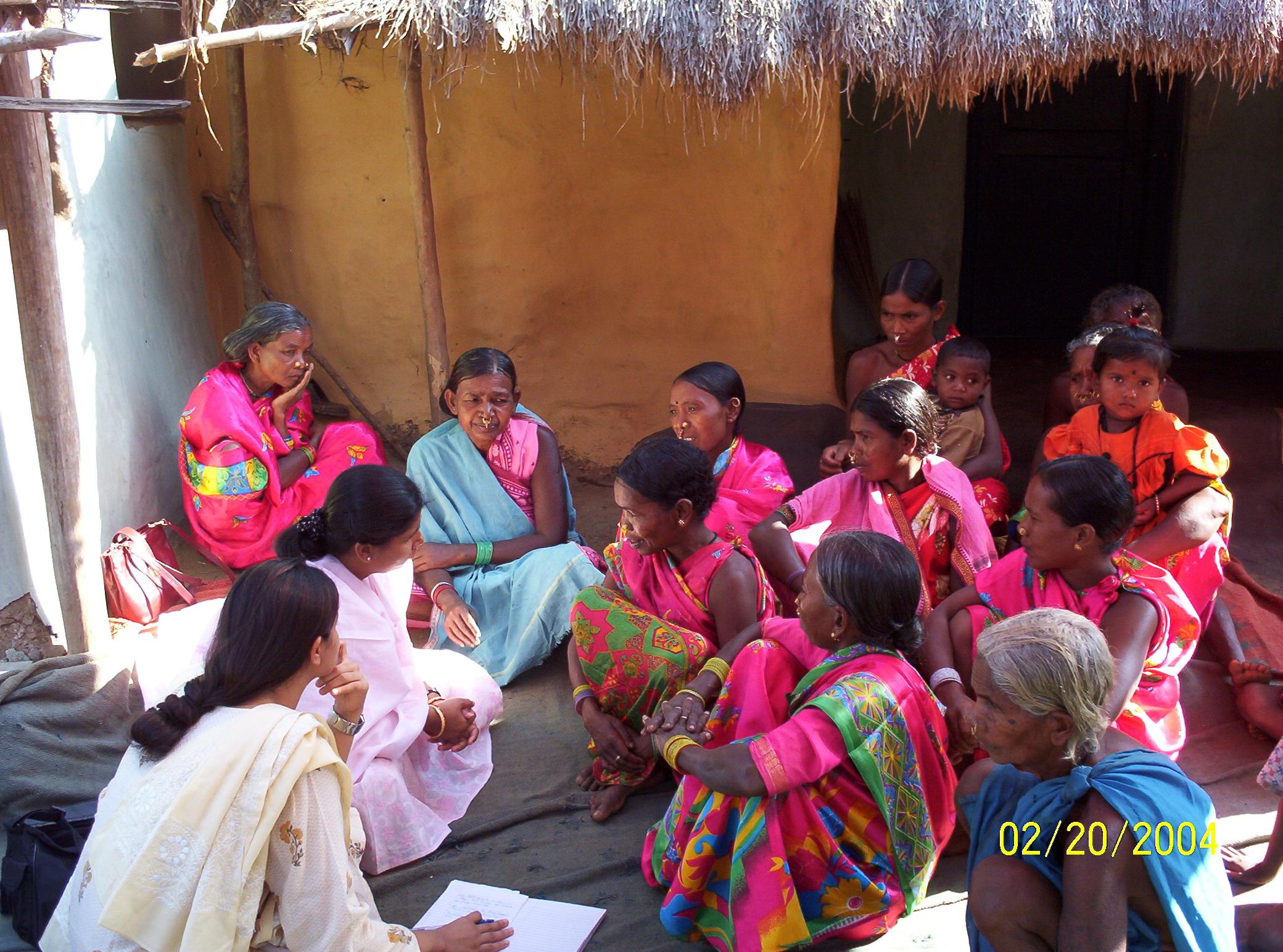
Methods: (1) Mobilization of community by NGO/ GO people through meetings. (2) Demonstration at the field level. (3) Organizing farmers field day. (4) Exposure visit to the watershed area. (5) Training. (6) Land development activities,
Stages of implementation: (1) Socio economic survey. (2) Participatory Rural Apprisal (PRA). (3) Preparation of participatory annual action plan with the community and village and watershed committee. (4) Consolidation of annual action plan by project management unit and circulation for comments to WDCU, DSC(O). (5) Approval of annual action plan by the state level project empowered committee and sanction of funds. (6) Implementation through community and mobilisation for labour contribution by the community (if such component are there). (7) Training at the field level. (8) Organizing monitoring by the community/ Specialist.
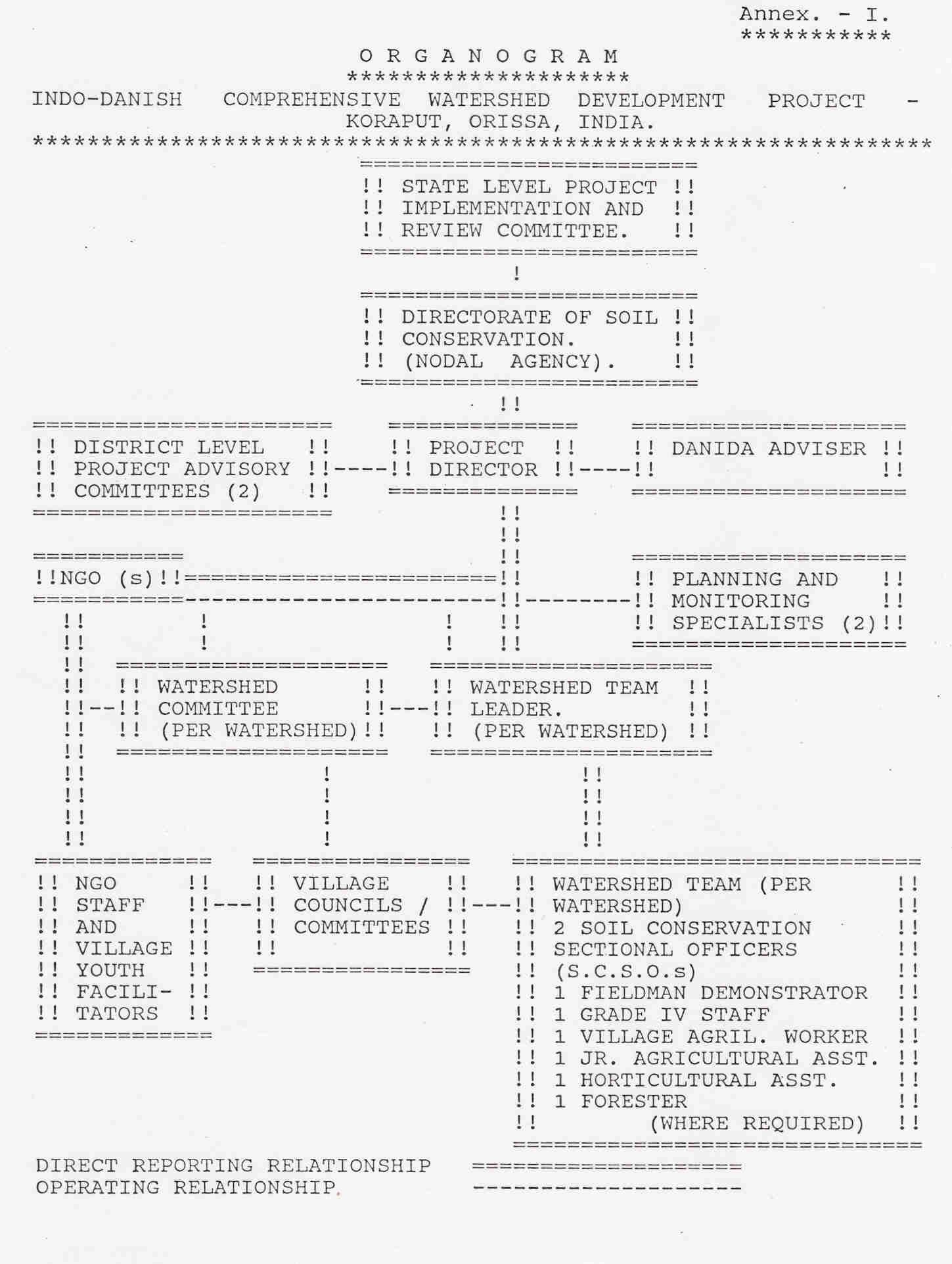
Role of stakeholders: NGO (Field Organizers)- Organizing village meeting and mobilization of community towards different activities and labour contribution organising PRA, meeting, group discussion, survey, formation of committee, preparation of AAP. Villagers:- Attendance of meeting, selection of beneficiaries from the target group and sites for different activities. Monitoring and implementation (Physical) of the activity. Youth facilitator:- The village youth facilitators played a key role through out the process of planning, implementation and monitoring and to solve the problems in case arises at any stage of the work. The village yourth facilitator acted as the link person between the community and the project. SWC (From Project management Unit) - Supervision, training to the SWC specialist, communicate new technology to the community. Beneficiaries:- Implementation, contribution of labour selection of his own land for SWC technology, monitoring, receive training, training before/during/afteer care.
Other important information: Government and NGO collaborately played a vital role to bring all level of stak holders to a common forum of participation.
Photos of the Approach