
Fodder Crops Production
Type: Approaches
Creation: 2009-06-30 00:00 Updated: 2017-06-26 17:54
Compilers: Unknown User
Reviewers: Fabian Ottiger
Country/ region/ locations where the Approach has been applied
- Country: Türkiye
- Region/ State/ Province: Turkey
- Further specification of location (e.g. municipality, town, etc.), if relevant: Keskin watershed, EskiÅŸehir
- Map: View Map
Description of the SLM Approach
Short description of the Approach
To grow different fodder crop species (leguminous and graminous) for feeding livestock
Detailed description of the Approach
Aims / objectives: It is aimed to grow livestocks feed for reduce costs of inputs in farms. Ease of feeding by this way is another motivation. Fodder crops especially leguminous ones are also very useful for improving and protecting soil fertility. Therefore farmers who produce both crops and livestock prefer to grow fodder crops.
Methods: Leguminous (alfaalfa, soinfoin, vetch) and graminous (corn for silage, barley, wheat, oat, triticale, rye) fodder species are grown in different growing seasons. Graminous fodder species are grown annually, among the leguminous species. Alfaalfa, sainfain are perennial and vetch is an annual species. The fodder species can be grown under dry conditions except corn. Leguminous species can not grow well if there is not enough rainfall; therefore they need irrigation. Application of the approach is mostly forced by market conditions where meat incomes were gradually decreasing in the last years due to macroeconomic policies. Training of the farmers is achieved by state institutions, universities and NGO's in a rather discontinous and sporadic way.
Stages of implementation: Soil tillage, fertilizing the soil, sowing the seeds, irrigation, harvest (1 for graminous species several times for leguminous species). Starting the approach by individual farmers is done by traditional communication and sometimes by training activities.
Role of stakeholders: All stages of the technology application are performed by participants. Technology is applied by farmers who have all the facilities needed for technology. They get some subsidizes from the state because of promoting the fodder crop production. State organisations, universities and NGO's provide irregular training courses and demonstrations. Rare scientific studies in terms of advantages of approcah are conducted by universities and state research institutes.
Photos of the Approach
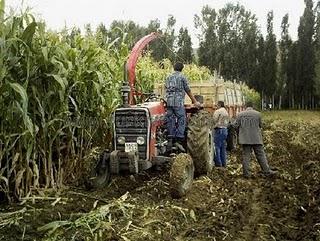
- 📍 Central Anatolia, EskiÅŸehir
- 📷 Anonymous