
Joint Forest Management (JFM)
Type: Approaches
Creation: 2011-02-02 00:00 Updated: 2021-11-02 16:00
Compilers: Roziya Kirgizbekova
Reviewers: David Streiff, Alexandra Gavilano, Joana Eichenberger
Country/ region/ locations where the Approach has been applied
- Country: Tajikistan
- Region/ State/ Province: Tajikistan Gorno Badakhshan Autonomous Region (GBAO)
- Further specification of location (e.g. municipality, town, etc.), if relevant: Ishkashim, Roshtkala, Shugnan
- Map: View Map
Description of the SLM Approach
Short description of the Approach
Protection and rehabilitation of state forests based on joint long term agreements set up between the State Forestry Agency, and local forest users (in the frame of CACILM).
Detailed description of the Approach
Aims / objectives: In Soviet times, the Gorno Badakhshan Autonomous Region (GBAO) had been highly dependent on subsidised fuel for heating and cooking. After independence, as fuel could no longer be imported from the former Soviet Union, more pressure was exerted on the flood plain forests, leading to severe degradation of the resources through illegal felling and livestock grazing. The State Forestry Agency does not have the financial means nor adequate capacity to implement a sustainable forestry management system adapted to the changed political, socio-economic and ecological conditions. The main aim of this approach is the rehabilitation of degraded floodplain forests in collaboration with the local users. This can only be achieved, if local users can see that they will benefit from conserving and developing the forest. Also, the State Forestry Agency is supported in its restructuring and gets an opportunity to achieve the protection of the forest, and economic goals through forest products and income from the rented forest plots.
Methods: \'Joint Forest Management\' (JFM) means that governmental organisations and local users are involved in forest management on the basis of a contract with a duration of 20 years, valid under Tajik law, which defines the rights and obligations of all the parties. As a first step, and in order to ensure the protection of the plot, a fence has to be built to protect reforestation activities from livestock (see Technology TAJ366). Adequate irrigation of the forest areas is also supported. Forest tenants as well as Forestry Agency staff are also trained in sustainable forest management techniques. Progresses and challenges are regularly being monitored and technical advice is being given to forest tenants.
Stages of implementation: The implementation includes eight steps: (1) field check and meeting with village representatives, (2) information workshop, (3) general agreement with the whole community, (4) selection of tenants, (5) division of the plots, (6) signing of contracts with the individual tenants, (7) elaboration of management plans and annual plans for each tenant, and (8) monitoring of annual plans.
Role of stakeholders: The annual plan is based on a 5-year management plan for the respective plot. It determines the amount of work undertaken by the forest tenant as well as harvests and their shares to be obtained from the rented area in one year. The rental contract, the management plan, and the annual plan are mutually agreed on by the forest tenants and the Forestry Agency. Forest tenants develop a sense of ownership and responsibility for the sustainable use of forests and forest resources on their plot. The State Forestry Agency is responsible for control and technical advice.
Photos of the Approach
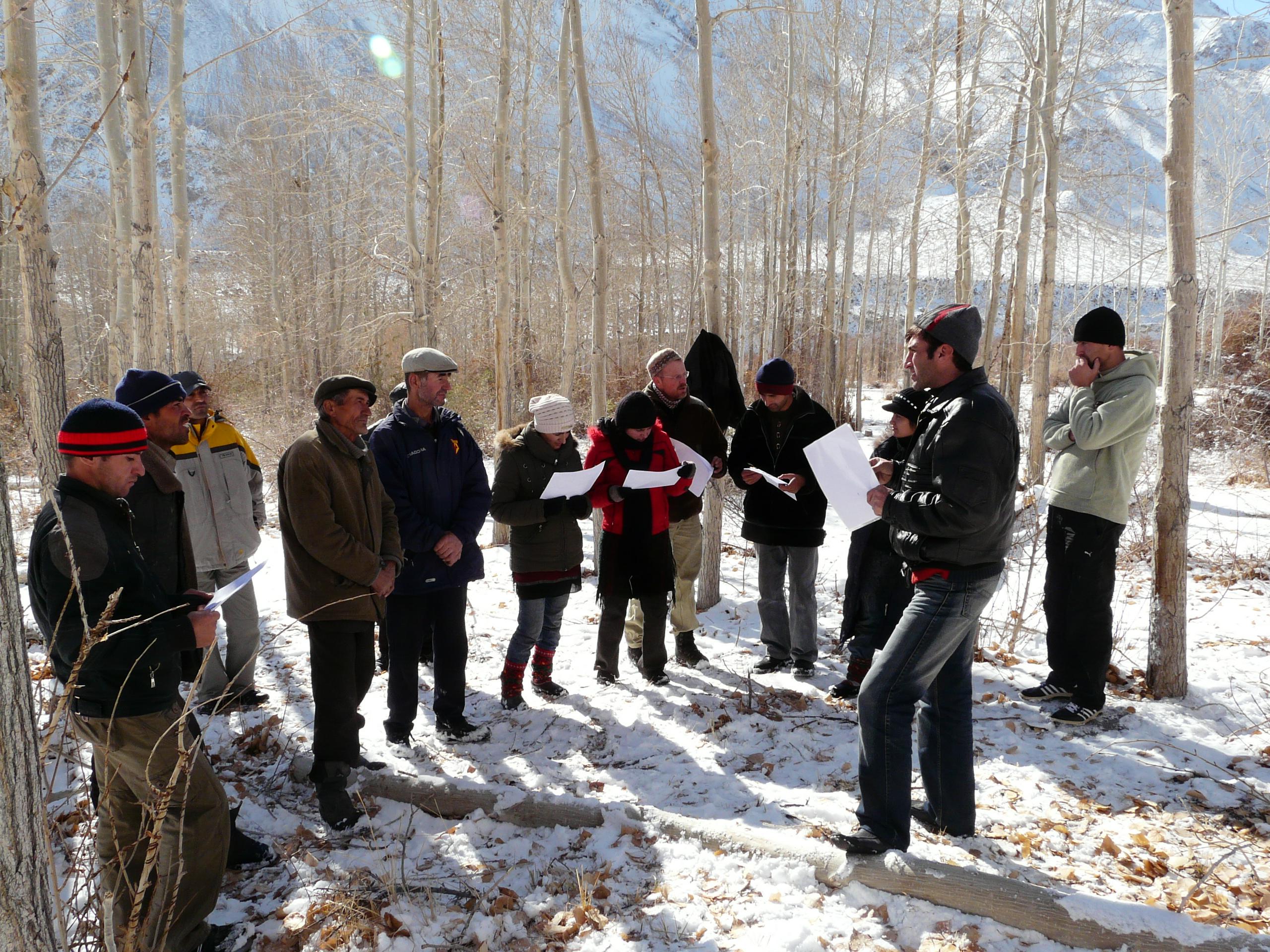
- 📍 Ishkashim, Ishkashim, GBAO, Tajikistan
- 📷 Anke Gaude (Okhonjon Str, Khorog, Tajikistan)
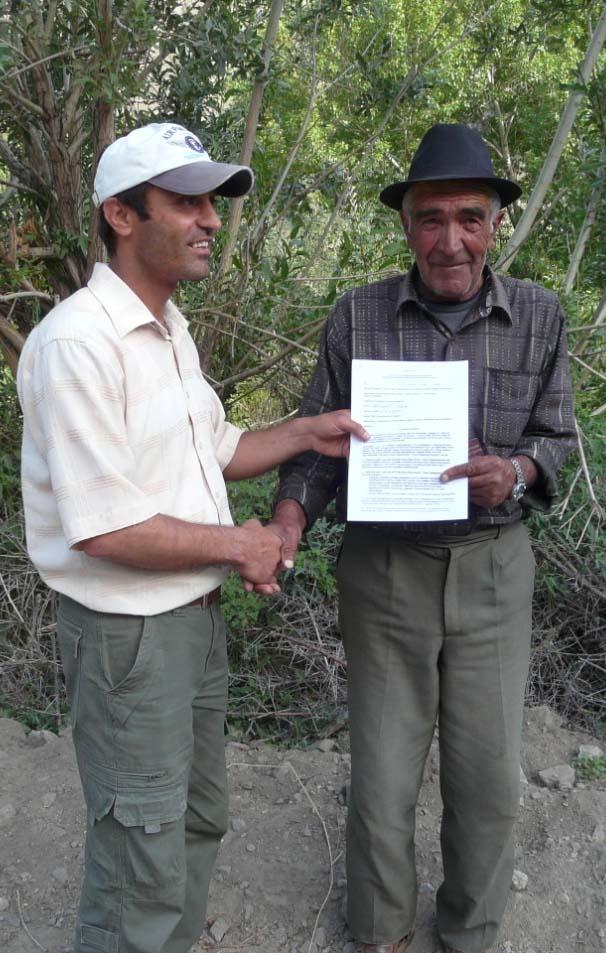
- 📍 Barvoz, Barvoz, GBAO, Tajikistan
- 📷 Anke Gaude (Okhonjon, Khorog, GBAO)