
Technical Assistance Groups (TAG)
Type: Approaches
Creation: 2011-05-20 00:00 Updated: 2021-11-02 16:10
Compilers: Philippe Zahner
Reviewers: David Streiff, Alexandra Gavilano, Joana Eichenberger
Country/ region/ locations where the Approach has been applied
- Country: Tajikistan
- Region/ State/ Province: Khatlon, Soghd, RSS
- Further specification of location (e.g. municipality, town, etc.), if relevant: Yovon, Hissor, Vakhsh, Djomi, Konibodom, Zafar, Kuljob, Vose
- Map: View Map
Description of the SLM Approach
Short description of the Approach
Technical advisory groups working on a 'fee for service' basis provide an effective service to farmers to achieve measurable yield increases, based on regular crop monitoring, crop management advice and effective use of inputs (fertilisers, water, pesticides, etc.)
Detailed description of the Approach
Aims / objectives: The TAG concept is designed to achieve the following key objectives: (1) Provide an effective agronomic advisory service to farmers to achieve measurable yield increases, based on regular crop monitoring, crop management advice and effective use of inputs (fertilisers, water, pesticides, etc.), (2) Support the development of agricultural input supply and distribution, and (3) Operate as independent entities on a competitive 'fee for service' basis (fee per ha), working towards achieving self sustainability.
Methods: TAGs are the central component of the framework and follow a very simple operational structure, basically consisting of a “Senior Agronomist” (SA), a “Organisation Manager” (OM) and a defined number of “Field Agronomists” (FA). The SA will register an advisory business as well as the OM and FA. The cooperation will be regulated by cooperation contracts. The SA will engage directly into service contracts with farmer clients to whom they will provide crop management recommendations throughout the entire production cycles. TAGs will be based in defined geographic areas, operating with local staff (SA, OM, FA) and build up a customer base large enough for financial self sustainability.
Stages of implementation: (1) TAGs are registered as enterprises, (2) TAGs develop business plans, (3) TAGs develop work plans and field records, (4) each TAG signs contract with cooperation partners (TAFF and GIZ-PSD project), (5) TAGs get first payment from cooperation partners (555 USD per TAG), (6) TAGs sign consulting contracts for 500 ha, farmers pledge to pay for advisory service 24 TJS/ha in the whole season, (7) quality control of advisory contracts concluded: visit of contracted farms to ensure the farmers understand the TAG-system, (8) TAGs do market analysis for the regional availability of suppliers for pesticides, fertiliser etc., mechanisation contractors, banks, buyers, (9) second payment from cooperation partners, 5 TJS per ha up to 500 ha contracted area per TAG, (10) third payment from cooperation partners, same conditions as previous point, (11) fourth payment from cooperation partners, 12 TJS per ha contracted area (only if field advisors are contracted and have received first salary, first field records are made and filed to the TAG documentation), (12) first payment from clients/farmers, 12 TJS per ha contracted area, (13) second payment from clients/farmers, 12 TJS per ha contracted area, (14) fifth payment from cooperation partners, 5 TJS per ha contracted area (only if contracts are fully pay through clients, TAG must handover documentation of their work).
Role of stakeholders: Cooperation partners provide expertise and training, support to the organisational and sustainable development of TAGs and financial support. NGOs (Agricultural Extension Service Providers) will be invited to enter into contract agreements for the provision of training to TAGs. TAGs consist of a “Senior Agronomist” (SA), a “Organisation Manager” (OM) and a defined number of “Field Agronomists” (FA).
Photos of the Approach
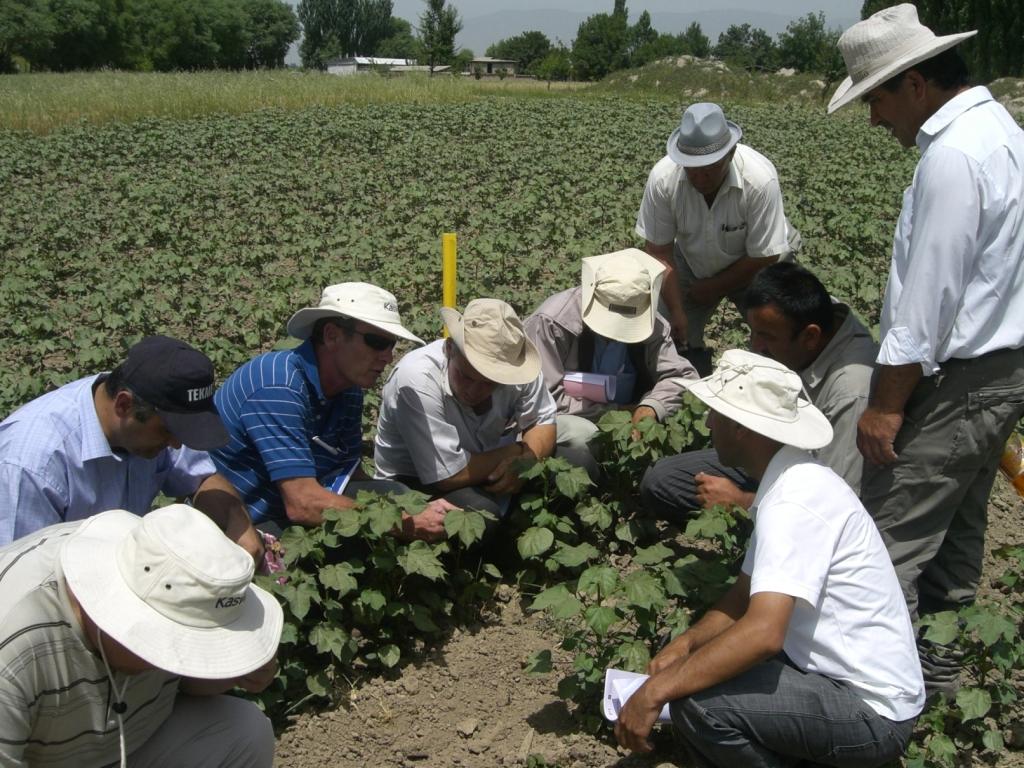
- 📍 Khatlon, Soghd, RSS, Yovon, Hissor, Vakhsh, Djomi, Konibodom, Zafar, Kuljob, Vose
- 📷 Laurie Kälin
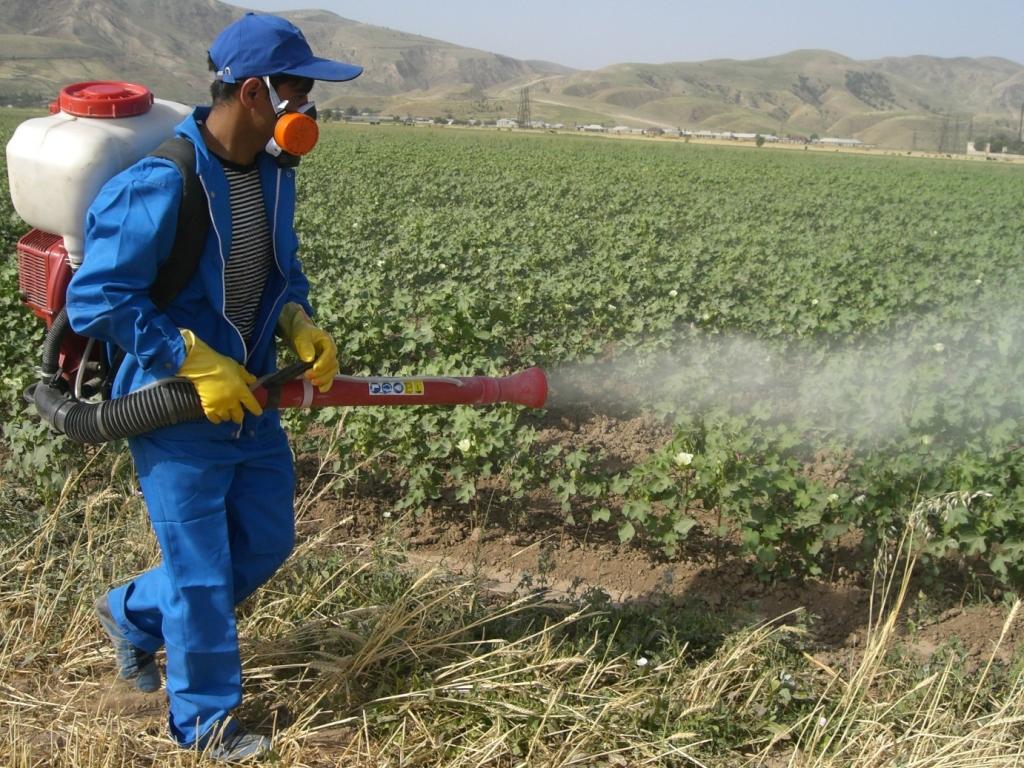
- 📍 Khatlon, Soghd, RSS, Yovon, Hissor, Vakhsh, Djomi, Konibodom, Zafar, Kuljob, Vose
- 📷 Laurie Kälin