
Joint forest management
Type: Approaches
Creation: 2011-08-26 00:00 Updated: 2017-07-17 20:49
Compilers: Sumana Datta
Reviewers: Fabian Ottiger
Country/ region/ locations where the Approach has been applied
- Country: India
- Region/ State/ Province: Haryana
- Further specification of location (e.g. municipality, town, etc.), if relevant: Sadhora range in Yamunanagar district
- Map: View Map
Description of the SLM Approach
Short description of the Approach
Joint forest management is a community based program developed in collaboration with the forest department for the protection and management of local forests while providing incentives to the local communities with political and institutional support from the state.
Detailed description of the Approach
Aims / objectives: Joint forest management (JFM) in India emerged in the 1980s from community initiatives in forest protection. It is an approach that leads to environmental and production benefits through community co-operation in natural resource management. State-supported JFM in Haryana began in 1990 when the Haryana State Government signed an agreement with The Energy and Resources Institute (formerly TERI: Tata Energy Research Institute) - underpinned by financial support from the Ford Foundation - to help establish Hill Resource Management Societies (HRMS). These state sponsored, village level societies are key to the success of JFM, and their links to the State Forest Department are crucial.
Methods: The founding principles of HRMS include appropriate social composition, accountability and conflict resolution and are open to all members of the village communities regardless of gender or caste. Management committees are elected, and each must include at least two women. The HRMS oversee forest catchment management activities by villagers, arrange distribution of irrigation water (where applicable) and liaise with the State Forest Department and TERI. Hill Resource Management Societies derive income from non-timber forest products - particularly from sales of bhabbar grass (used for rope making) - and from water use charges. This income is managed by the HRMS and used for village development and community welfare. Where there is a water harvesting dam all members have the right to claim an equal share of the water, irrespective of whether they have land to irrigate or not.
Stages of implementation: The JFM program was implemented in Thaska with assistance from TERI from 1990 until 2003 where 342 ha of state owned forests were managed. In 2003 TERI, the implementing NGO formally pulled out of Thaska and from 2004 to 2007 there was a gap where JFM continued in the village on its own. In 2007, TERI in partnership with IUCN implemented ‘The Livelihoods and Landscape Strategy’ (LLS) in four villages, including Thaska.
Role of stakeholders: The stakeholders are the villagers, the Haryana forest department and the participating NGOs, in this case TERI. Within villages where JFM is implemented, all adult members (men and women) are eligible for membership within the HRMS. In India, and particularly Haryana, one of the major factors inhibiting women’s participation in JFM activities is the traditional role of women society and attitudes towards them. Women are often marginalized in villages such as Thaska. Thanks to the efforts of the forest department and TERI over the last two decades, the women are more empowered today and attend the HRMS meetings. JFM benefits people with land the most and landless people tend to lose out on such schemes. There is a provision for equal share of water to landless in Thaska. Even though rules for inclusion of water share for landless exist, these are currently not in practice.
Photos of the Approach
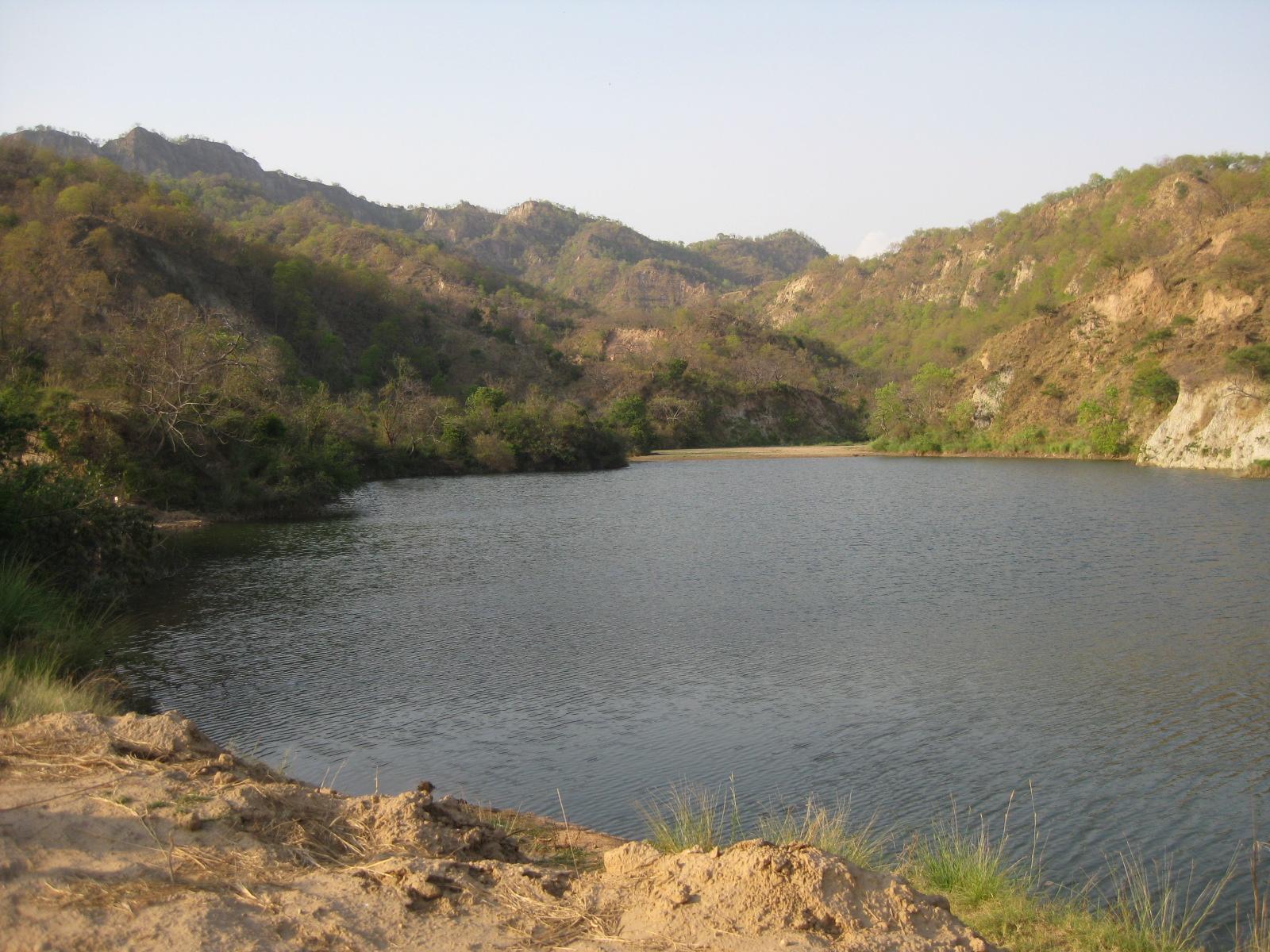
- 📍 Thaska village, Yamunanagar district, Haryana
- 📷 Fatema Baheranwala
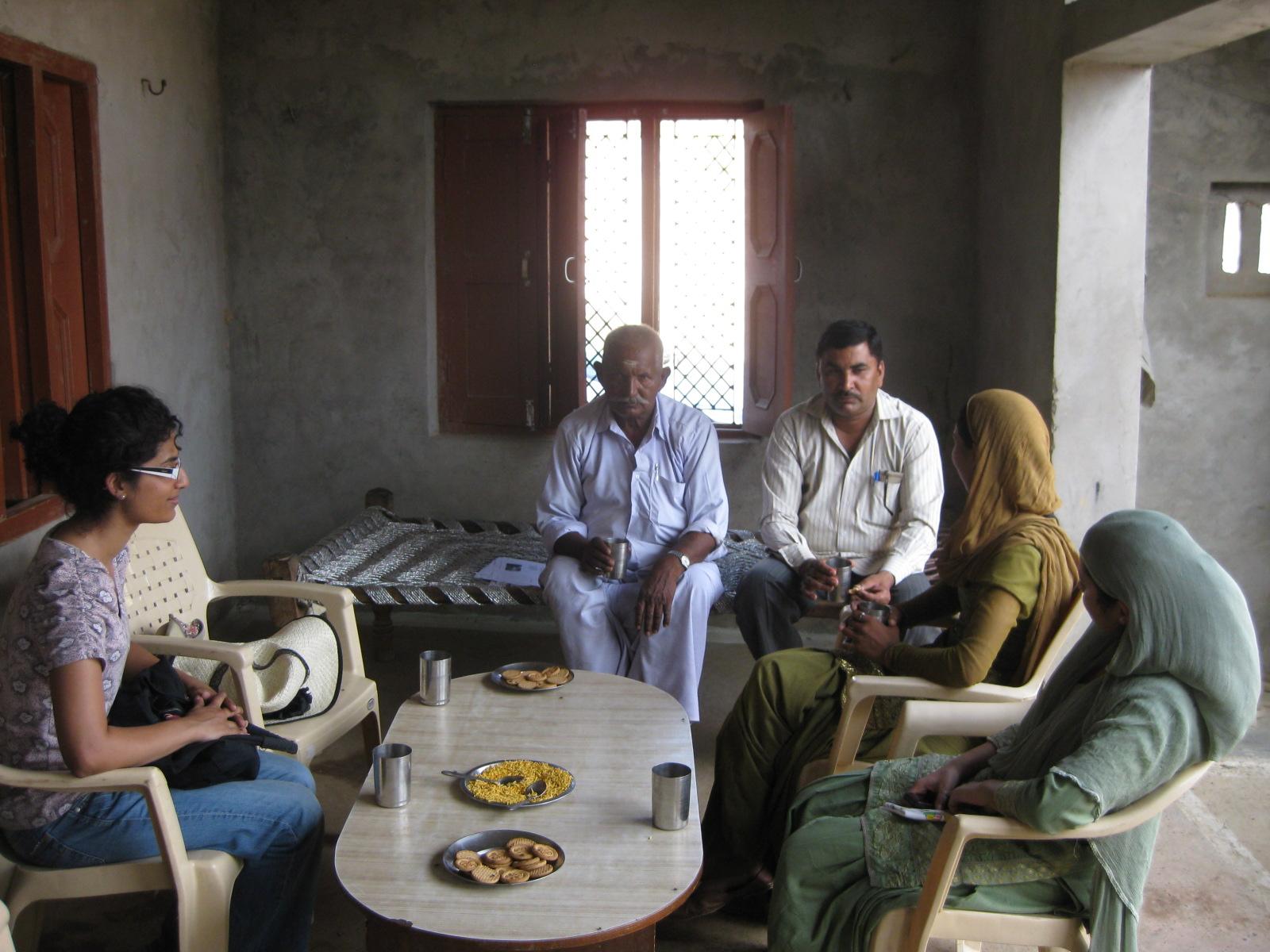
- 📍 Thaska village, Yamunanagar district, Haryana
- 📷 Fatema Baheranwala
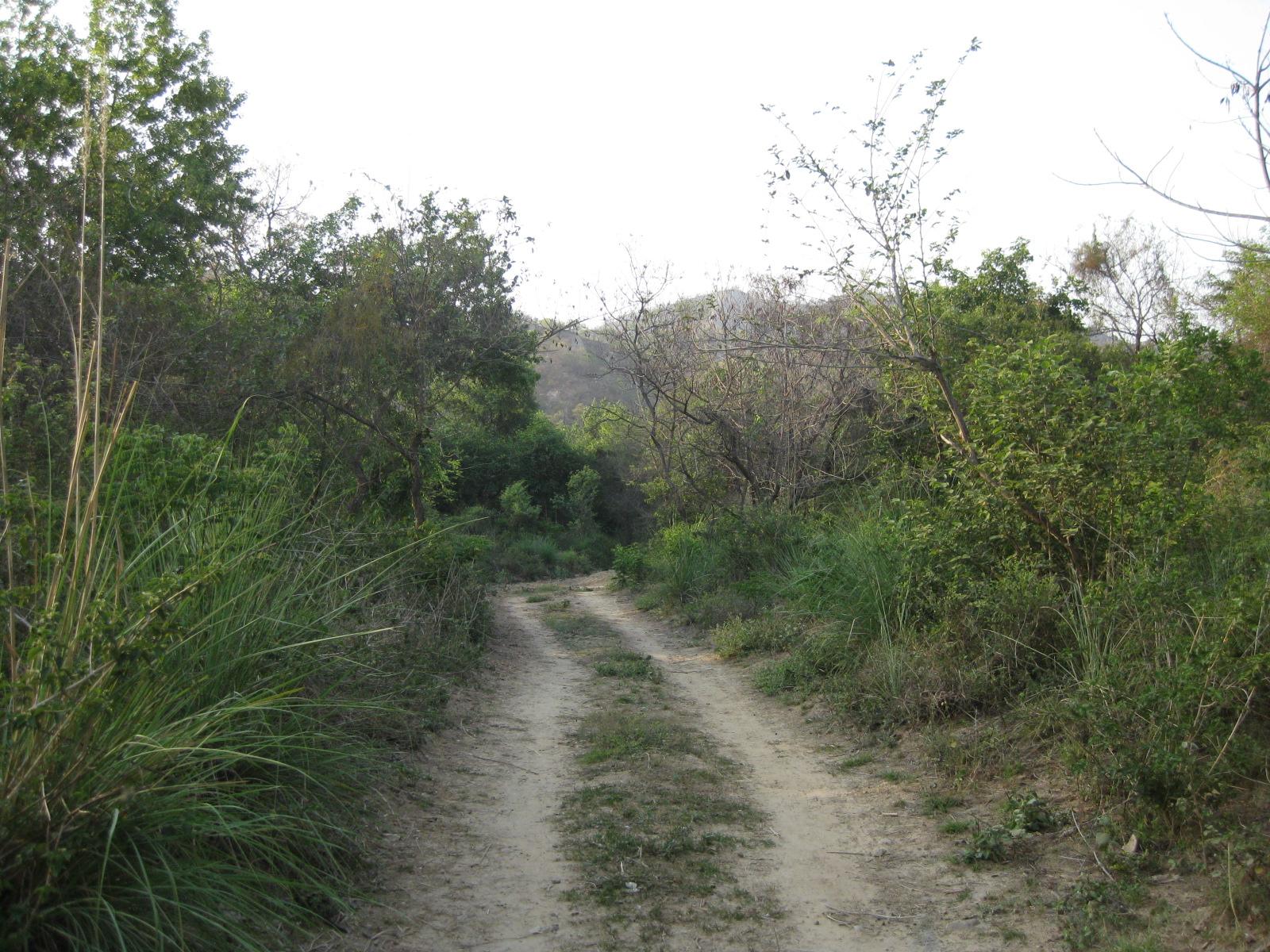
- 📍 Thaska village, Yamunanagar district, Haryana
- 📷 Fatema Baheranwala
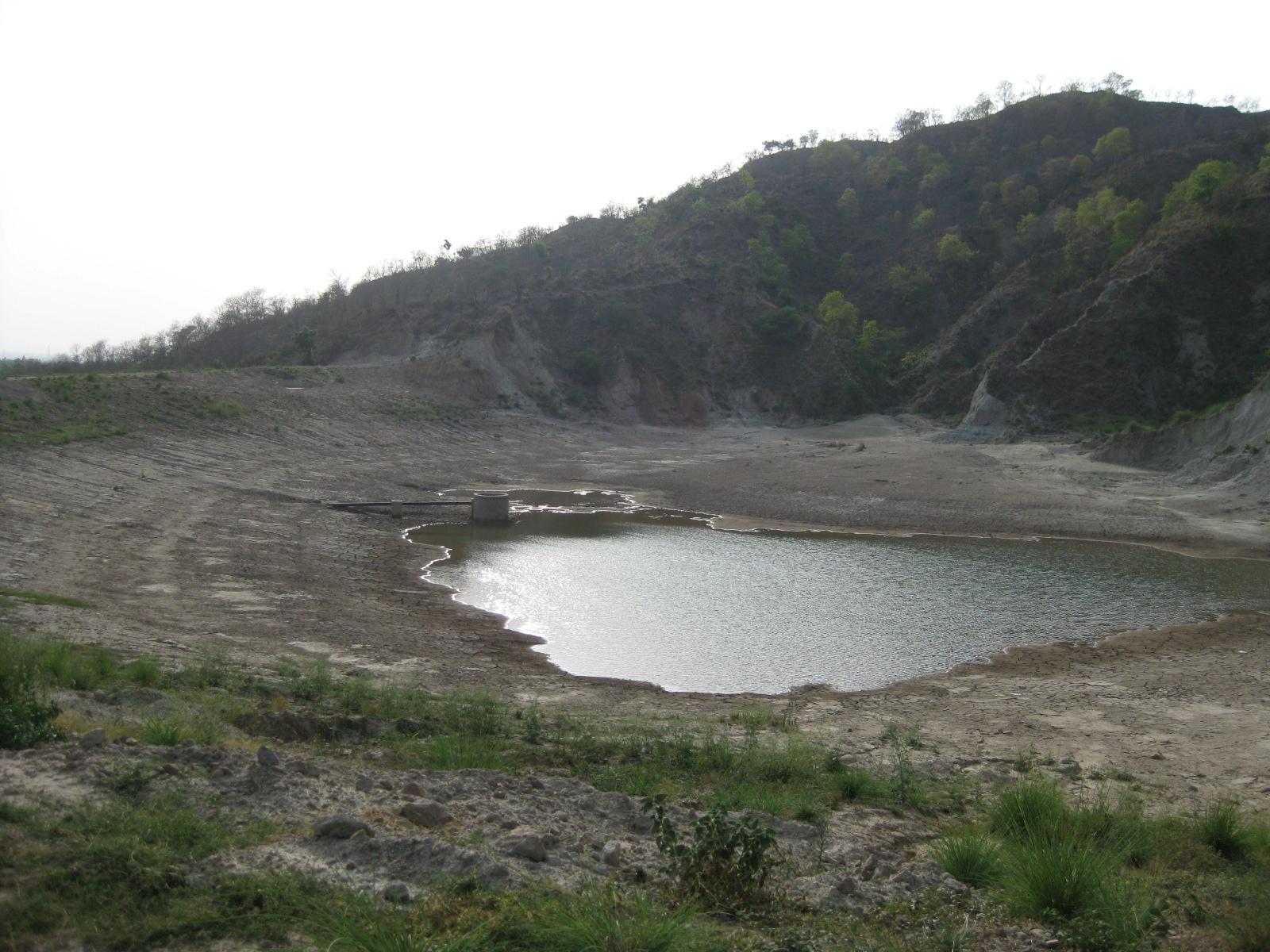
- 📍 Thaska village, Yamunanagar district, Haryana
- 📷 Fatema Baheranwala
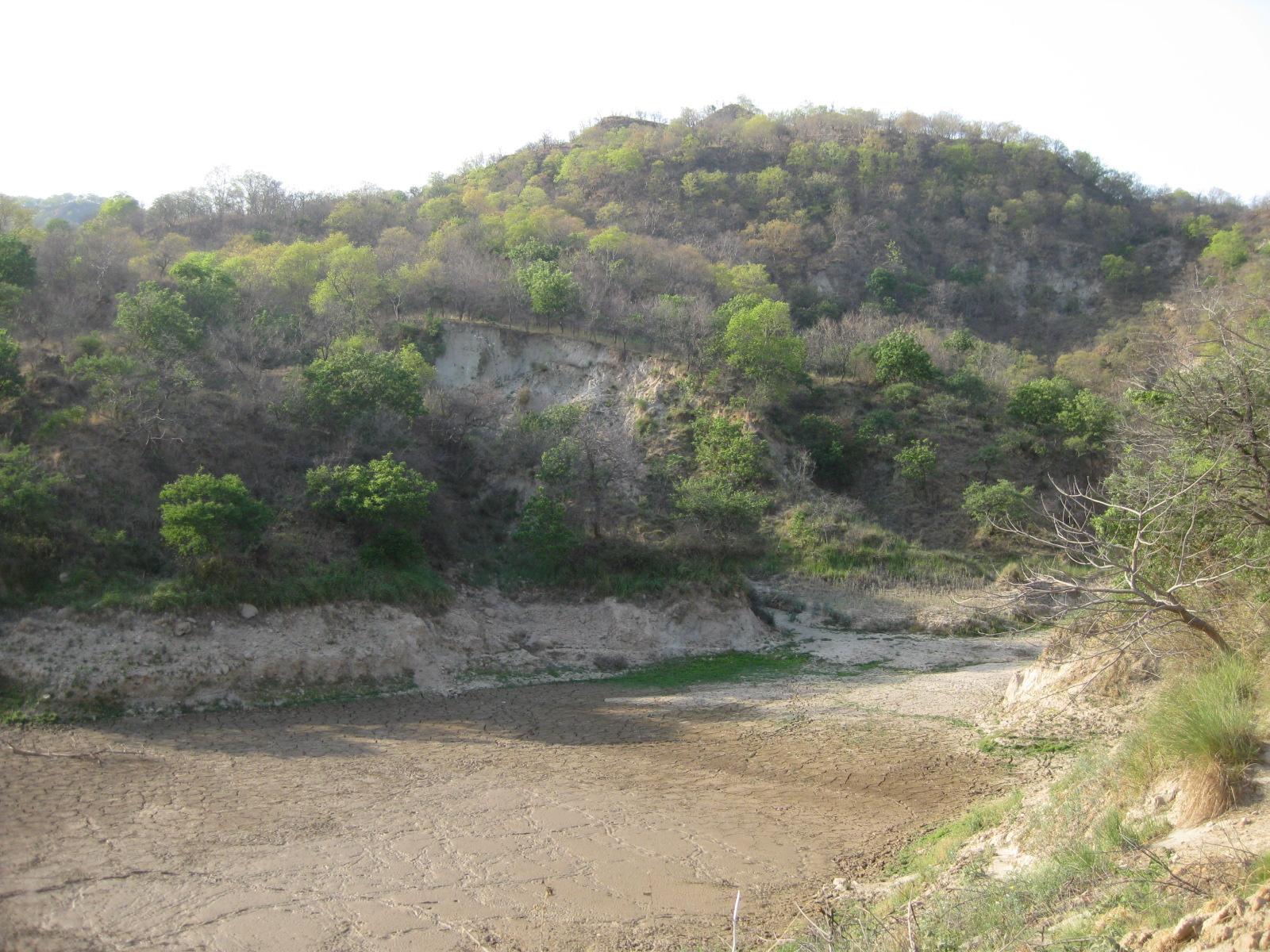
- 📍 Thaska Village, Yamunanagar district, Haryana
- 📷 Fatema Baheranwala

- 📍 Thaska village, Yamunanagar district, Haryana
- 📷 Fatema Baheranwala