
Rangeland management through the restoration of distant stock-breeding systems and the drastic improvement of rangelands
Type: Approaches
Creation: 2011-12-12 00:00 Updated: 2017-08-07 15:16
Compilers: Konstantin Pachikin
Reviewers: David Streiff, Alexandra Gavilano
Country/ region/ locations where the Approach has been applied
- Country: Kazakhstan
- Region/ State/ Province: East-Kazakhstan
- Further specification of location (e.g. municipality, town, etc.), if relevant: Katon-Karagay
- Map: View Map
Description of the SLM Approach
Short description of the Approach
The restoration of degraded rangelands and the improvement of their productivity through the organization of distant stock-breeding and the introduction of pasture rotation (in the frame of CACILM).
Detailed description of the Approach
Aims / objectives: The main goal is the restoration of degraded pastures through a revival of the traditional method of stock-breeding (seasonal distant livestock pasturing) using modern methods of land area organization (introduction of pasture rotation with regulated load) with far-ranging inclusion of local population
Methods: The amount of livestock has considerably increased in Katon-Karagay district for the last years. As a result, the livestock concentrates around the villages, and unsystematic and uncontrolled pasture use leads to the loss of valuable forage grasses and an aggravation of land degradation. Within the framework of the GEF/SGP “Organization of Katon-Karagay Village Pastureland Management to Minimize Land Degradation” Project a scheme for pastureland restoration including the organization of traditional seasonal distant pasturing as well as the introduction of a pasture rotation system around Katon-Karagay village was developed
Stages of implementation: A number of meetings with the local population and workshops were organized by a group of the GEF/UNDP Project consultants. As a result of the activities of this initiative group, the 'Mametek' Public Association was established. Within the same framework, the pasturelands in the surrounding areas of Katon-Karagay State National Natural Park were examined. As a result of that examination, a plan to restore and improve the pasturelands was developed by the project staff. A scheme of pasture rotation was designed for Katon-Karagay village by the GEF/SGP Project staff, according to which the pastures around the villages were divided in 4 areas; the sequence of grazing in the areas; and the norms of pasture load were defined. All areas were fenced. An agreement on joint activity between local administration, 'Mametek' Public association and 'Atameken' Farmers’ Association was signed. New system of distant stock-breeding was established in a high mountain pasture . Equipment for stock-breeders was purchased.
Role of stakeholders: GEF/SGP “Organization of Katon-Karagay Village Pastureland Management to Minimize Land Degradation” Project is responsible for general management and initial financial support. Pastures were examined and the action plan was developed under the GEF/UNDP Project. Rural Akimat provides land for lease and regulates legal obligations and contracts. Local inhabitants are the main actors implementing the agreed upon activities in the target area (fencing and guarding the areas) and direct work regarding livestock grazing. 'Mametek' PA conducts direct organizational activity, supervises implementation of the activities (the order of grazing in the areas, grazing norms and loads) and settles conflicts. 'Atameken' Farmers Association implements the organization of livestock grazing and works in accordance with the pasture rotation scheme and attracts/hires workers. Katon-Karagay National Park is concerned with the biodiversity conservation of its area, and provides methodical support
Photos of the Approach
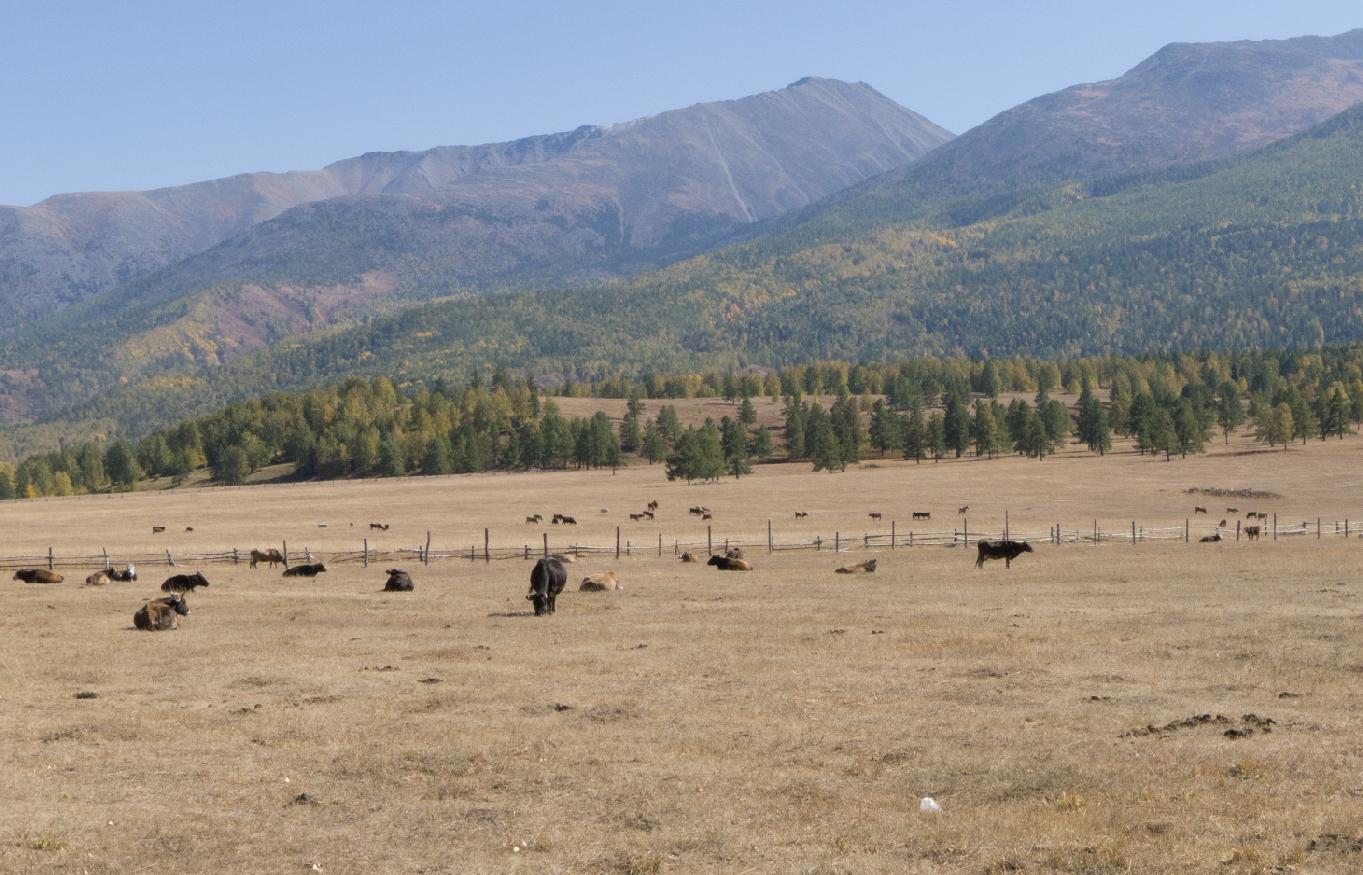
- 📍 The surrounding area of Katon-Karagay village, Kazakhstan
- 🗓 2011-12-09
- 📷 Konstantin Pachikin (Almaty)
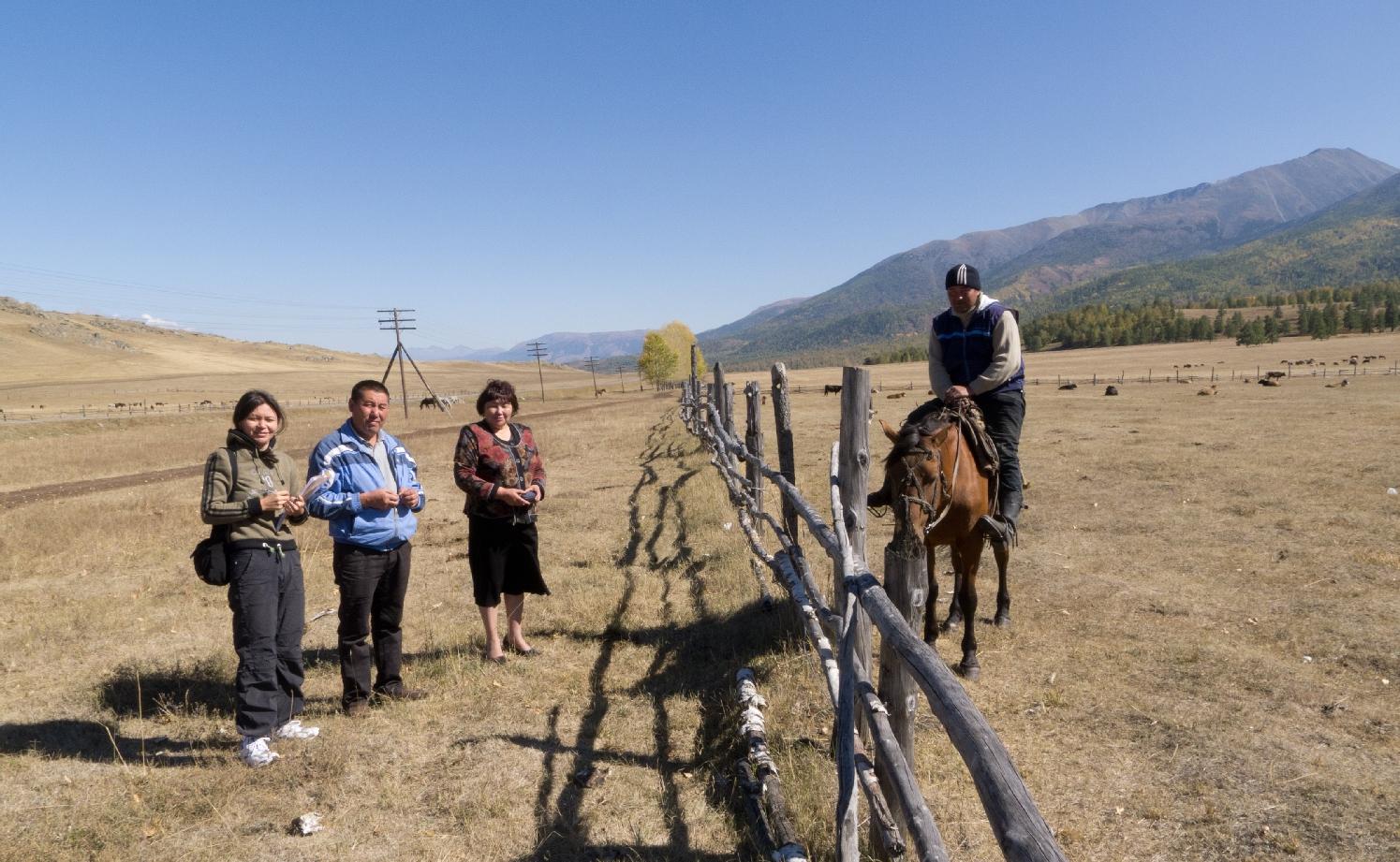
- 📍 The surrounding area of Katon-Karagay village, Kazakhstan
- 🗓 2011-12-09
- 📷 Konstantin Pachikin (Almaty)