Benefits of Jeevatu in crop production and protection
Type: Approaches
Creation: 2014-01-17 00:00 Updated: 2022-09-08 14:05
Compilers: Sabita Aryal
Reviewers: Fabian Ottiger, Joana Eichenberger
Country/ region/ locations where the Approach has been applied
- Country: Nepal
- Region/ State/ Province: Nepal
- Further specification of location (e.g. municipality, town, etc.), if relevant: Lalitpur
- Map: View Map
Description of the SLM Approach
Short description of the Approach
Beneficial uses of Jeevatu in crop production and protection.
Detailed description of the Approach
Aims / objectives: The use of Jeevatu has been and still is solely for agricultural purpose. The main objective of it is to effectively free the environment different poisonous chemicals that are present in the form of pesticides and fertilizers.
It aims to prevent and control pests and diseases, including bacterial, viral and fungal, in vegetables, cereals, flowers and fruit trees, and to improve the growth of the plant, the yield and the quality of the fruits (vitamin content and peel thickness).
It can also be used to keep different fruits and vegetables fresh for a longer period of time.
Jeevatu further helps by promoting the proper management of the waste materials as the key ingredient in the process of producing Jeevatu is different organic wastes.
It provides an advantage to the farmers by an economic point of view as well - the cost of Jeevatu is comparatively much less than that of other pesticides and fertilizers.
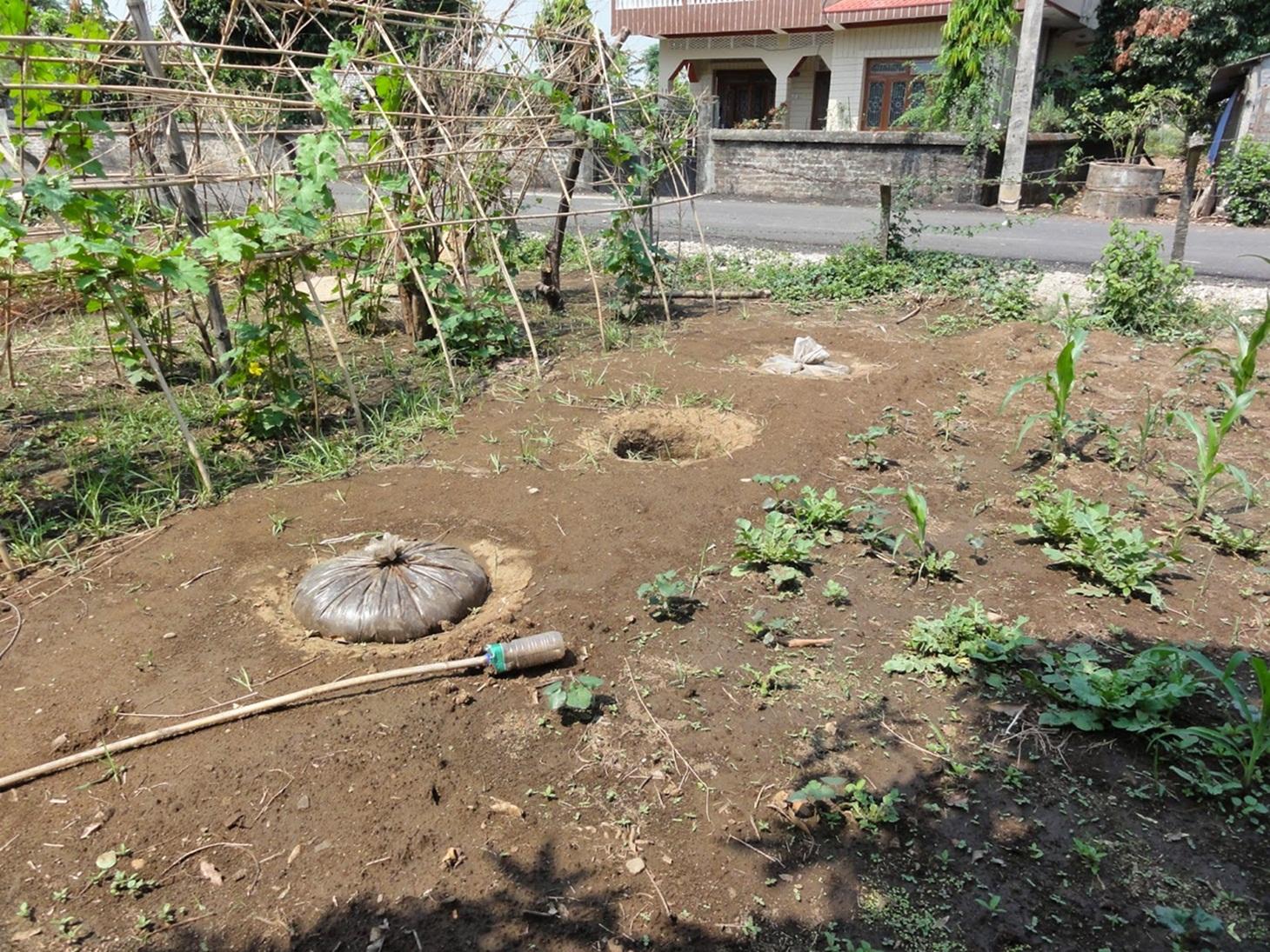
Methods: A 2 feet wide and 1 foot long pit is dug in a fertile land.
A plastic sheet is placed in the pit
Raw cow dung and water is poured in the pit and made greasy
The 1m25cm plastic sheet is then made air and water tight by tying it up with a jute rope
Every 2-3 days water is added and the mixture is stirred well
The water added amounts up to about 50L.
After 17-25 days , a green colour is seen in the outer surface of the plastic bag and the odor is no longer present, this indicates that the fertilizer (Jeevatu) is now ready to be used.
The plastic bag is then removed and a new plastic sheet is placed to start the production of a new batch of Jeevatu
1L of the previous made Jeevatu is also included to after the second batch to gain a better yield of Jeevatu.
Role of stakeholders: There are mainly two types
The producers-
They seek profit in terms of money as they plan to produce good amounts of Jeevatu and sell them to the people involved in agriculture or animal husbandry
The people involved in agriculture and animal husbandry-
They seek profit in terms of good yield of crops or animal products. The use of Jeevatu benefits them and keeps them as well as the environment safe.
Photos of the Approach