
Model farmer
Type: Approaches
Creation: 2014-10-27 00:00 Updated: 2017-08-03 14:32
Compilers: Christoph Kaufmann
Reviewers: David Streiff
Country/ region/ locations where the Approach has been applied
- Country: Cambodia
- Region/ State/ Province: Kampong Chhnang
- Further specification of location (e.g. municipality, town, etc.), if relevant: Rolear Pha-er
- Map: View Map
Description of the SLM Approach
Short description of the Approach
Model farms were introduced by a NGO in order to spread knowledge about SLM (compost, System of Rice Intensification SRI, and other technologies) in the project area.
Detailed description of the Approach
Aims / objectives: Model farms were introduced to Kampong Chhnang Province in order to spread knowledge about SLM Technologies.
Methods: The Approach focuses on various areas of farming, and the model farms are clustered into 4 groups:
1. Compost and System of Rice Intensification focus on rice productivity and soil improvement.
2. SLT (Seasonal Long Training) – growing techniques for different crops, seedling germination, care taking, harvesting, etc.
3. INTEREST – focus on different crops which are mixed, crop rotation (rice-watermelon-corn, e.g.), mulching, cover cropping.
4. Cow raising model farmers – focus on fodder production, vaccination, supplementary feed for the cows, stable construction.
In this case study, the model farmer applies the System of Rice Intensification (SRI) and compost (cluster 1).
Stages of implementation: Becoming a model farmer consists of different steps. First, different land users who dispose of the required inputs (certain amount of land, labour availability, motivation for innovation) are invited to a training organized by a local NGO. After the training, the model farmers are chosen amongst the participating land users. These newly elected model farmers get further training from the NGO. While implementing the selected Technologies (in this case SRI and compost), the model farmers are subsidized and monitored by the NGO.
Role of stakeholders: The role of the stakeholders is both active and passive. While they are invited to the initial training provided by the local NGO (passive), the land users decide - once they're selected as model farmers - by themselves which Technologies they want to apply on their fields (active).
Other important information: The benefits of this Approach are manifold. Firstly, it helps spreading knowledge about sustainable land management in the project area. In the case of Cambodia this is especially important since much of the agricultural knowledge was lost during the Khmer Rouge regime (1975-1979). Furthermore, the soils in the project area are sandy and show a low fertility. Therefore for example compost making can have a positive long term impact on both the natural and the human wellbeing. Secondly, model farmers can have a positive impact on local institutions. It is for example possible for the farmers to give a report to local authorities where they state what the villagers need most. Furthermore, model farmers can become members of NGOs or local authorities, or monitor other farmers in their activities.
The main disadvantage of the Approach is the problem of sustainability. Model farmers are in close cooperation with the local NGO, and if the NGO stops the coaching, it is not ensured that the implemented Technologies will continue. This is illustrated by many abandoned compost houses in the area. Also, the interviewed model famer expressed that since she became a model farmer, there is more work to do. This can be detrimental in an environment where a high migration rate decreases the available labour force. Last but not least the decision about which Technologies are to be applied on the given model farms are mainly taken by the SLM specialists working for the local NGO. If land users were more involved in the decision-making process, this might have a positive long term impact on the farmers motivation to continue applying the chosen Technologies independently (sustainability).
Photos of the Approach
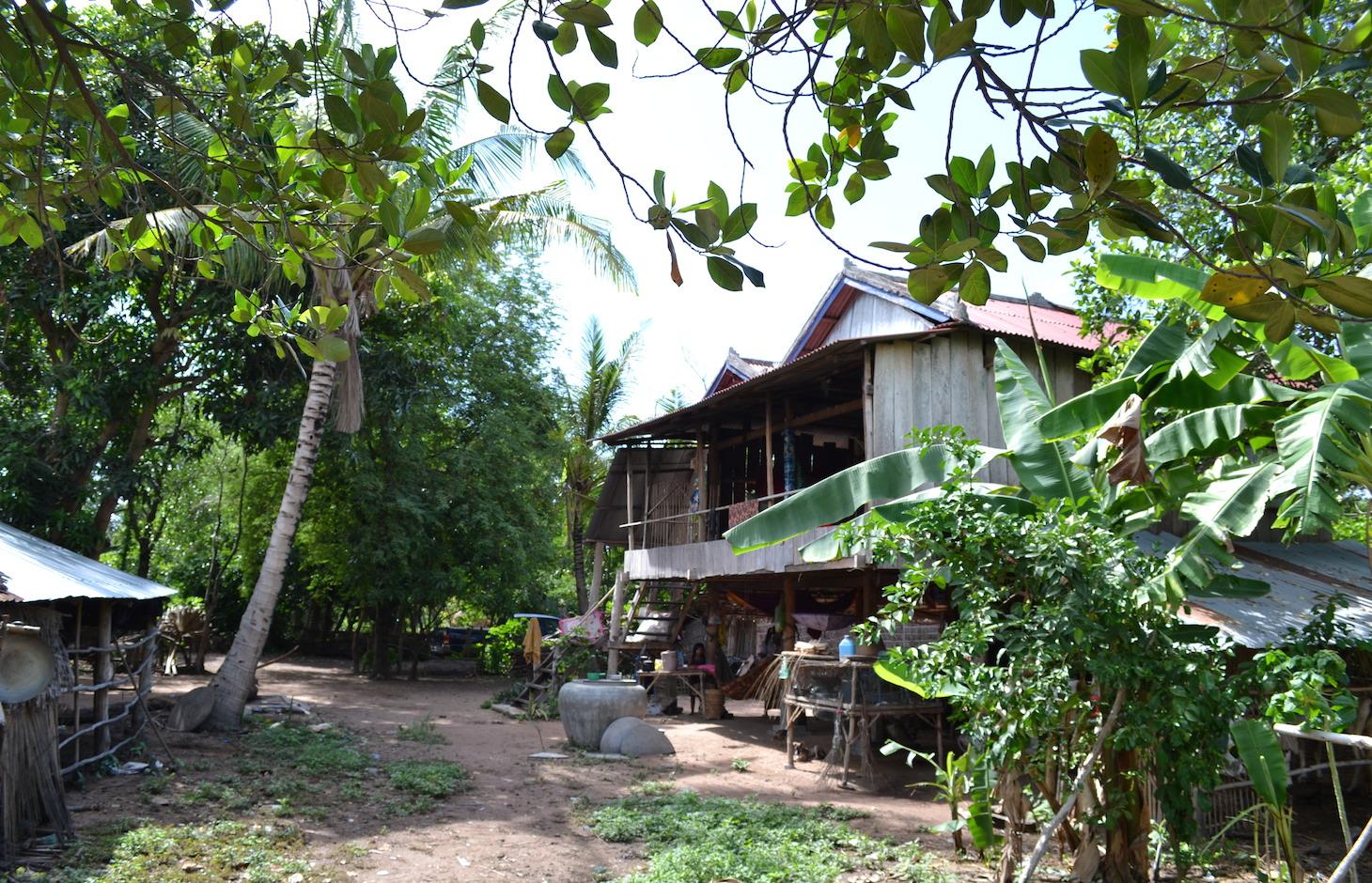
- 📍 Cambodia
- 📷 Christoph Kaufmann
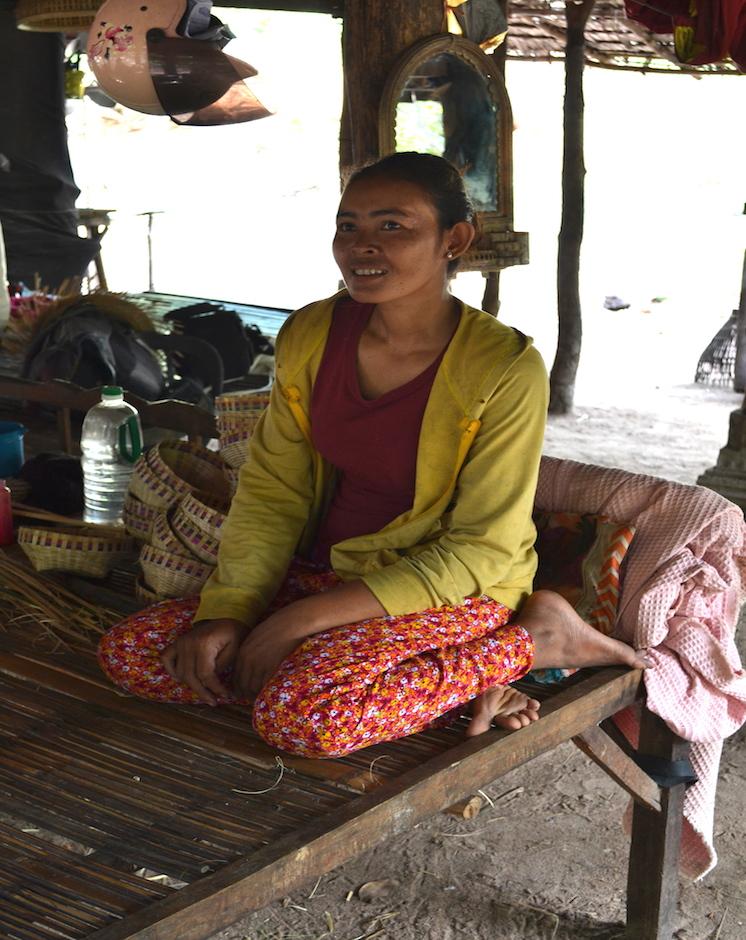
- 📍 Cambodia
- 📷 Christoph Kaufmann