Learning about no-till methods through farmer-to-farmer dissemination
Type: Approaches
Creation: 2015-08-20 00:00 Updated: 2017-07-09 18:00
Compilers: Shreedip Sigdel
Reviewers: Fabian Ottiger
Country/ region/ locations where the Approach has been applied
- Country: Nepal
- Further specification of location (e.g. municipality, town, etc.), if relevant: Gadariya VDC, Kailali District
Description of the SLM Approach
Short description of the Approach
Farmer to farmer dissemination of information on no-till methods for garlic cultivation technology
Detailed description of the Approach
Aims / objectives: Farmers can learn about alternative or newer methods by sharing their experiences with one another. In this approach, farmers shared information and knowledge on no-till garlic cultivation technology.
Methods: Since no-till methods are not widely known in the area, the approach aimed to increase awareness of the many features of the technique and its benefits. Through farmer-to-farmer dissemination, communities can learn about the various aspects of no-till for crop residue management, resource use, and how it can reduce labour costs. These discussions highlight the environmental and social benefits of no-till methods especially with respect to moisture retention, soil and water conservation, and climate change adaptation.
In 2009, Local Initiatives for Biodiversity, Research, and Development (LI-BIRD), piloted and validated no-till farming in Nepal as a measure for soil and water conservation through the Western Terai Landscape Complex Project (WTLCP) and the Promoting Local Innovation (PROLINNOVA) programme. The dissemination was multi-faceted and the farmers remained engaged throughout the discussions, which included both talks and group participation. Farmers’ groups, community-based organizations, biodiversity conservation groups, and development committees at the village level were given training and technical inputs. This community-level interaction encouraged farmers to discuss with one another as well as to head out to the field for demonstrations and observations. After no-till garlic cultivation was successfully piloted, it was widely adopted by farming communities and especially the indigenous Tharu communities of western Nepal.
Photos of the Approach
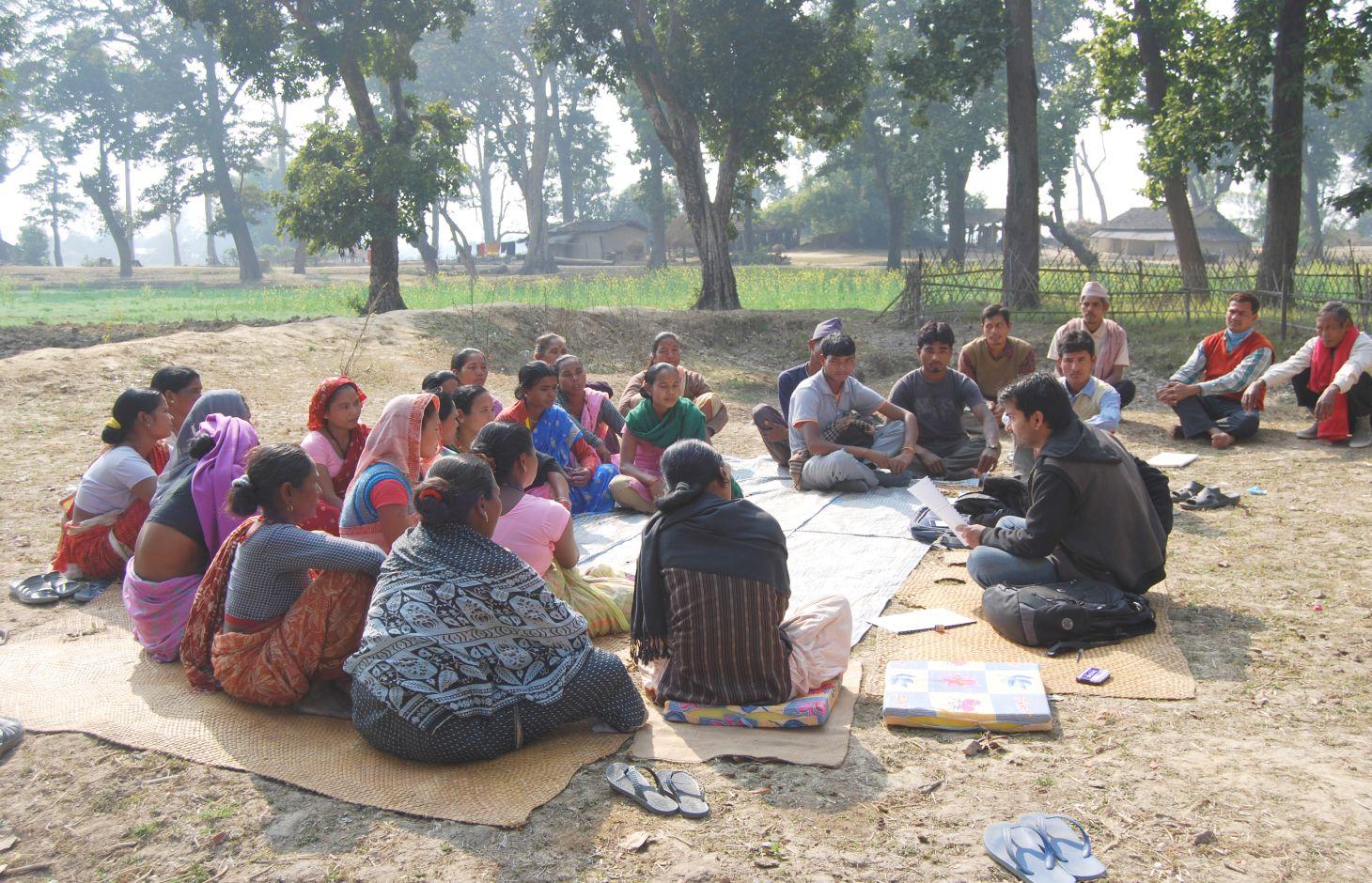
- 📷 Krishna Lamsal
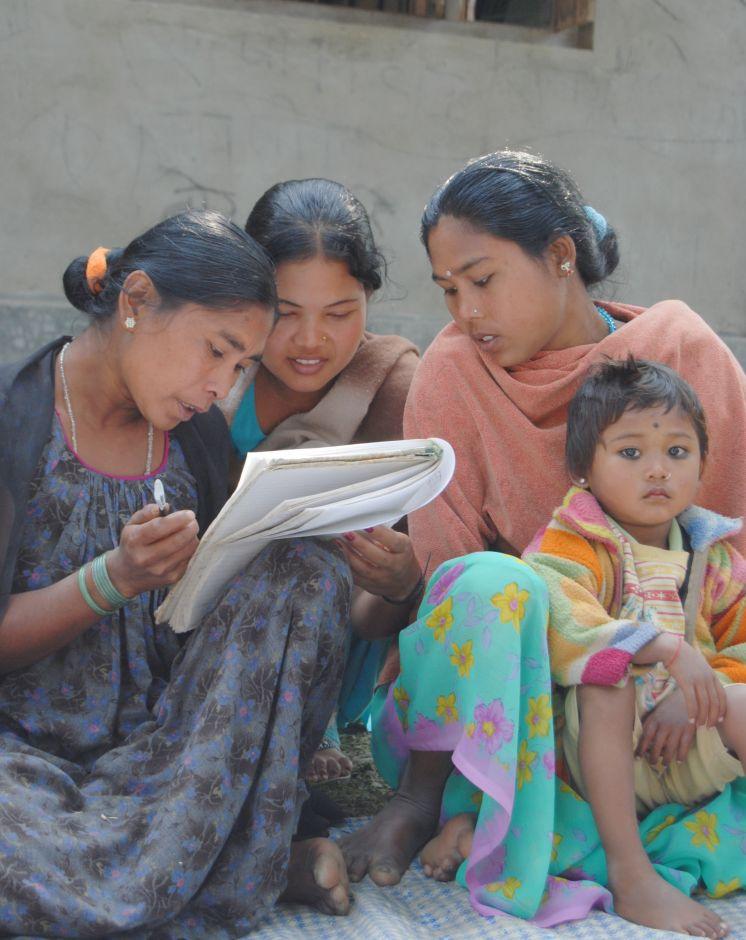
- 📷 Krishna Lamsal