Land distribution and allocation for riverbed farming
Type: Approaches
Creation: 2015-08-25 00:00 Updated: 2017-07-07 10:11
Compilers: Shreedip Sigdel
Reviewers: Fabian Ottiger
Country/ region/ locations where the Approach has been applied
- Country: Nepal
- Further specification of location (e.g. municipality, town, etc.), if relevant: Kanchanpur and Kailali District
Description of the SLM Approach
Short description of the Approach
Riverbed farming provides landless and land-poor households with the possibility to earn an income from on-farm activities close to home
Detailed description of the Approach
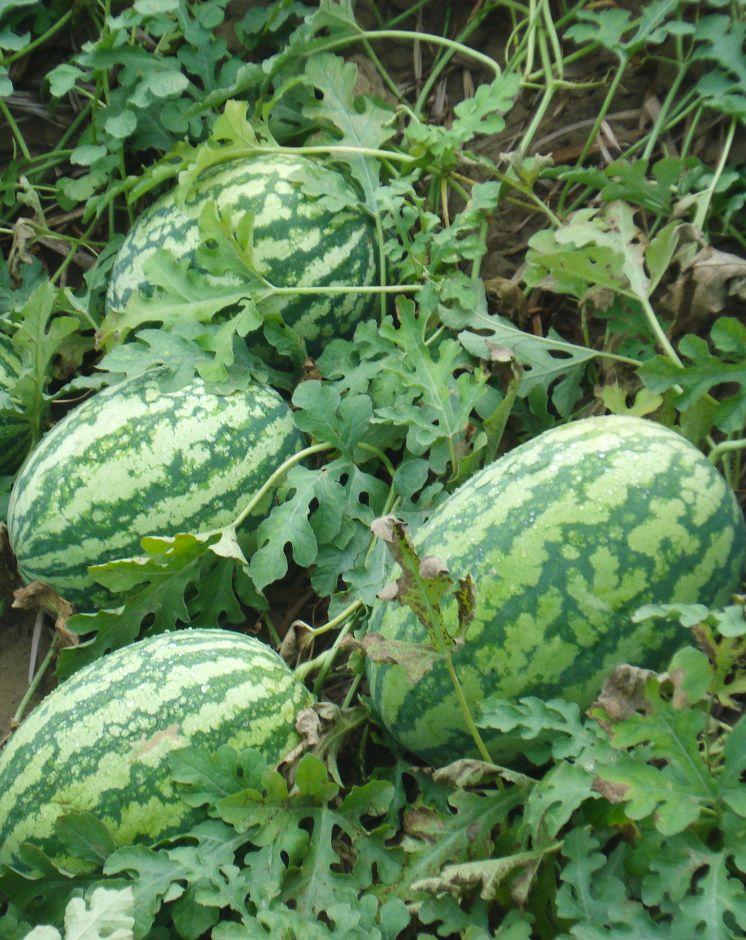
Aims / objectives: At least 20% of the households in the Terai, the plains of southern Nepal, do not own land. In order to make a living, these households commonly rely on share cropping and work in low paid off-farm jobs. The approach described here allows these farmers to make the most of the large areas of fallow land near riverbeds which are normally unclaimed and not cultivated. Since the lands near riverbeds have alluvial soils and sufficient moisture, they are suitable for seasonal vegetable cultivation during the dry season. In order for these landless and land-poor households to be able to farm these riverbed areas, they need to have access to suitable plots and the necessary agricultural inputs and training.
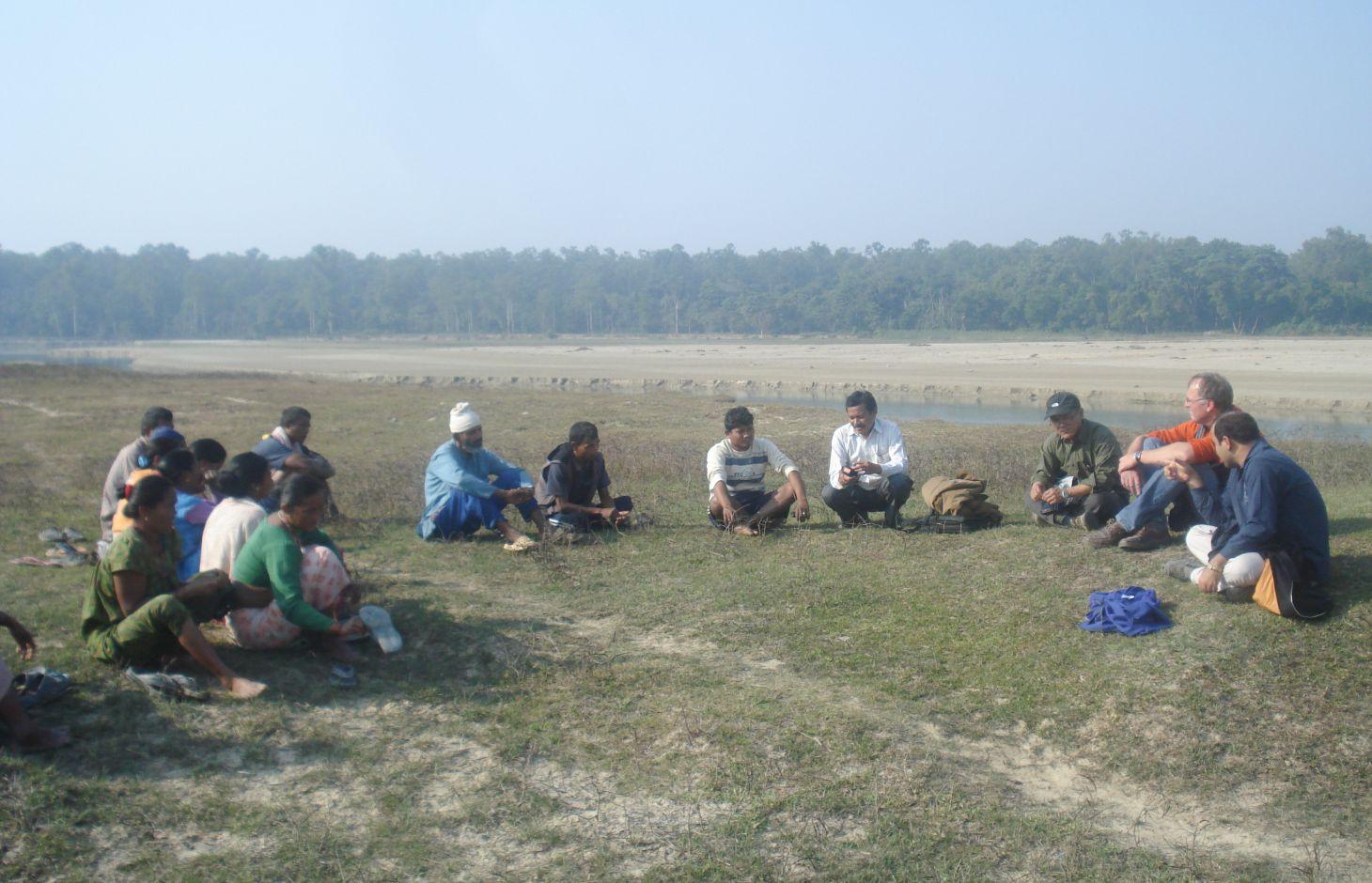
Methods: Potential riverbed areas are identified using topographic maps; subsequently, field verification identifies whether the selected riverbed areas are indeed suitable for cultivating horticultural crops. During the field verification, target groups in the given riverbed area are identified and the land is assessed in consultation with them. The relevant stakeholders are the village development committee and the district agricultural development office. Local resource persons are selected from target groups, which typically consist of 20 to 25 households, and are given training so that they can provide the local technical support. Once the farmer target groups have been identified and the riverbed sites selected, the group is given the legal support needed to get a leasehold agreement with the land owner, often the state. The riverbed area is then parcelled out to landless and land-poor households based on fixed selection criteria. This approach works best when the riverbed land area is at least 3 ha because it means that every target household can cultivate at least 0.13 ha (4 kattha), the least amount of land which can provide a meaningful cash income.
Photos of the Approach