
Evaluation of the System of Rice Intensification through participatory research and development
Type: Approaches
Creation: 2009-01-19 00:00 Updated: 2017-07-09 13:35
Compilers: Madhav Dhakal
Reviewers: Fabian Ottiger
Country/ region/ locations where the Approach has been applied
- Country: Nepal
- Further specification of location (e.g. municipality, town, etc.), if relevant: Kavrepalanchowk/ Jhikhu Khola watershed
- Map: View Map
Description of the SLM Approach
Short description of the Approach
Conducting participatory action research with farmers and district level line agencies for demonstrating, disseminating and scaling up SRI
Detailed description of the Approach
Aims / objectives: PARDYP pilot tested SRI in the Spice Crop Development Centre (SCDC) at Tamaghat, Kavrepalanchok in 2002. The positive results led the technique to be tried out in 25 farmer’s fields in 2004 to evaluate whether SRI was technically feasible in the Himalayan middle mountains. Based on farmers’ interests and to promote SRI systematically, PARDYP organised interaction programmes between farmers who had and had not used SRI, village level group discussions, farmer-to-farmer visits and farmer-led on-site monitoring and evaluation in 2002, 2003 and 2004.
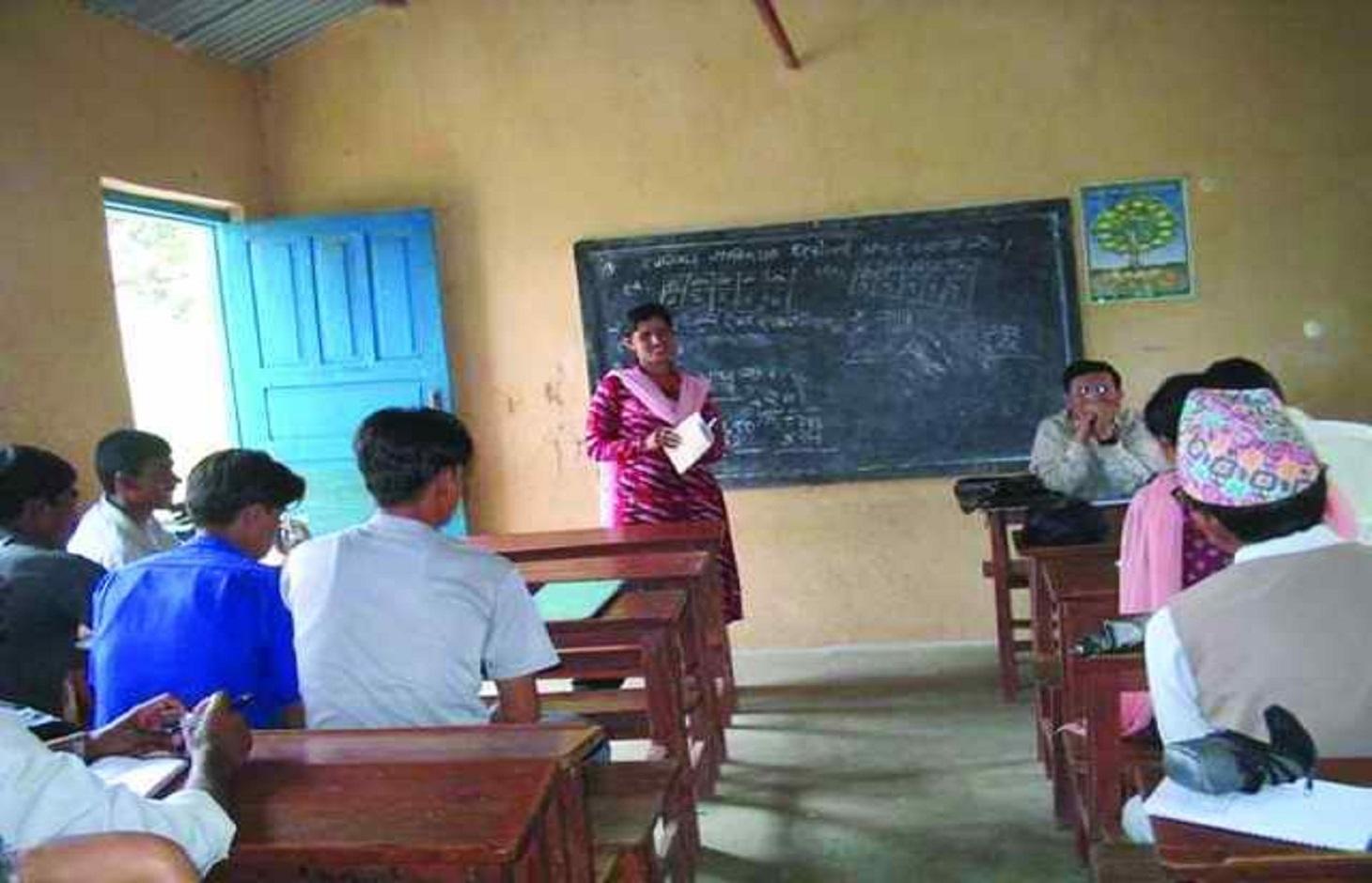
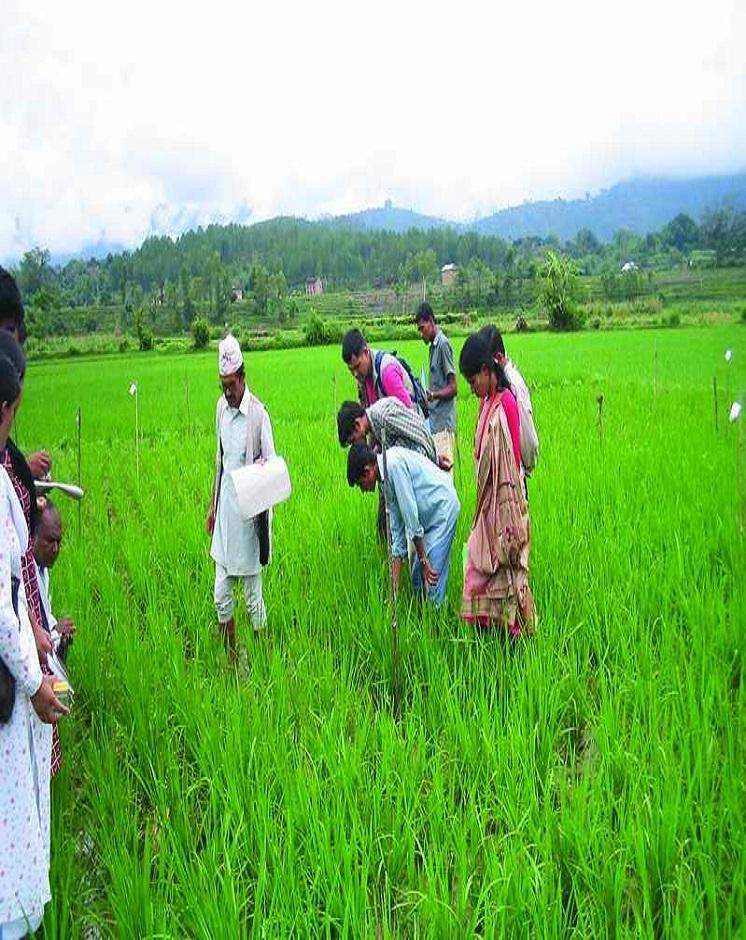
Methods: In 2005, the emphasis shifted to carrying out research with groups of farmers in a more systematic way and participatory rural appraisal methods and tools were used. The approach was called the SRI farmer field school (FFS) approach. Lead farmers (13 male and 6 female) were trained as SRI trainers and then facilitated village level farmer field schools for testing and promoting SRI. In 2005, SRI farmer field schools were run in 15 villages for about 100 farmers. Each school carried out hands-on training sessions to help farmers understand (1) the basic concepts of SRI and its practices, (2) methods for comparing traditional practices with SRI, and (3) how to observe, analyse and present findings more systematically. Monitoring and evaluation gathered both men’s and women’s perceptions. This also helped establish an informal farmer-learning network in the watershed. Village level discussions, farmer visits, and interaction with staff from the district agriculture offices continued. At the end of the on-farm experiments, a district level farmer’s day was organised to share the experiences gained.
Other important information: To promote wider understanding of the action research and encourage farmers to continue developing and adapting SRI, the project disseminated information about SRI through information, education and communication (IEC) materials aimed at community-level users, and a multi-media package on a CD ROM for the global audience and Nepali policy-makers and administrators. A national exchange workshop was held to share experiences from across the country on the use of SRI.
Photos of the Approach
- 📷 Madhav Dhakal
- 📷 Madhav Dhakal