
Access to thermal insulation through micro loans
Type: Approaches
Creation: 2011-05-03 00:00 Updated: 2021-11-02 16:09
Compilers: Roziya Kirgizbekova
Reviewers: David Streiff, Alexandra Gavilano, Joana Eichenberger
Country/ region/ locations where the Approach has been applied
- Country: Tajikistan
- Region/ State/ Province: Tajikistan/Gorno-Badakhshan Autonomous oblast
- Further specification of location (e.g. municipality, town, etc.), if relevant: Roshtkala
- Map: View Map
Description of the SLM Approach
Short description of the Approach
Provision of small scale loans for private households to ensure access to thermal insulation (in the frame of CACILM).
Detailed description of the Approach
Aims / objectives: In GBAO as in most parts of Tajikistan, natural resources such as firewood from riparian forests and teresken shrubs, remain the main source of fuel for heating and cooking. Due to poor insulation of local houses, and inefficient cooking stoves, much fuel is burned. The aim is to ensure access to energy efficient technologies through the provision of a micro loan 'Warm comfort' is one of the ways to improve house thermal insulation, reduce fire wood consumption, improve the living standards of residents and reduce pressure on the environment.
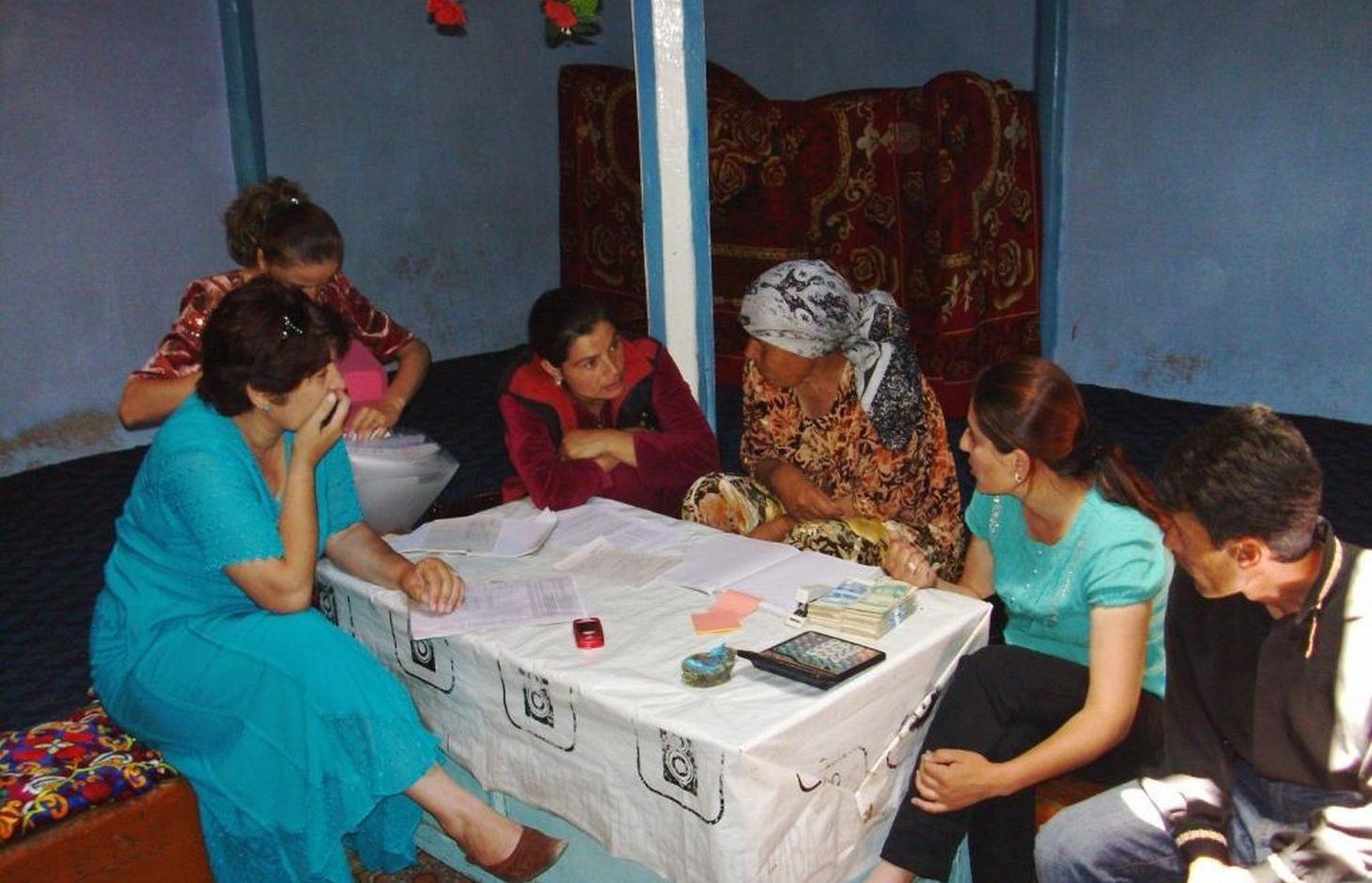
Methods: On the basis of financial and technical documentation prepared by field officers and clients MLO Madina made the decision to allocate up to US$500, (2.5% interest rate to be reimbursed within 12 months) to the project. The thermal insulation loan is given in kind and not in cash. The client receives all necessary materials and services for the value it has to reimburse in accordance with the micro loan contract and individual repayment schedule.
Stages of implementation: The process of a micro loan for thermal insulation consists of the following steps: 1) Meeting with the rural population and interviews; 2) information event on energy efficient products and micro loan; 3) Financial analysis to explain micro loans, procedures, household income and expenses analysis; 4) Technical analysis of potential houses to specify types of material needed, type of work, prepare outline of the house; 5) Decision by the MLO Committee to allocate loan; 6) Micro loan contract and work plan; 7) Preparation of thermal insulation works; 8) Implementation of thermal insulation works; 9) Reimbursement of micro loan
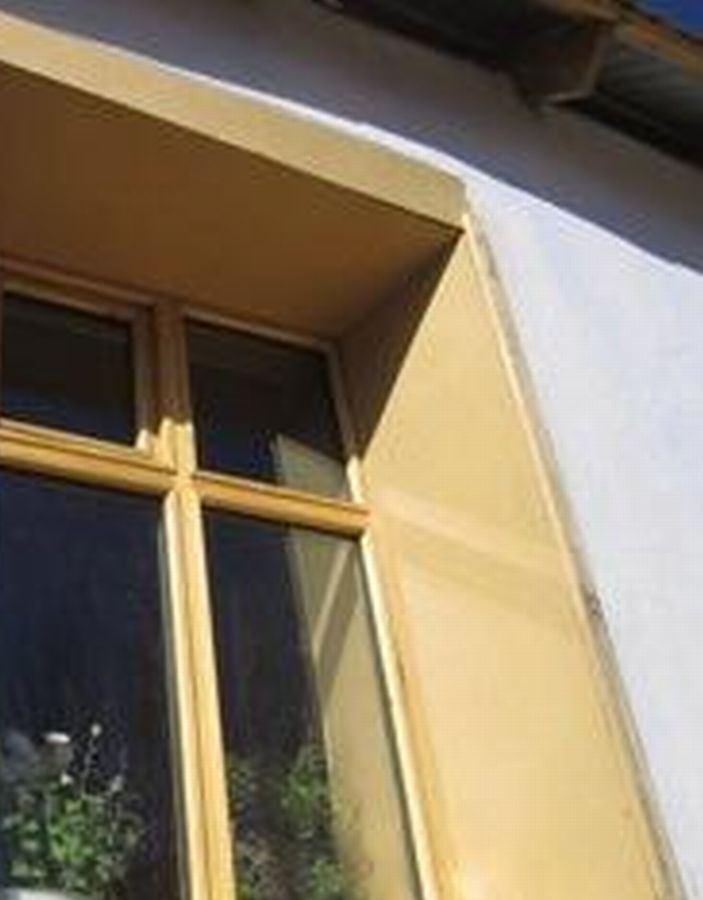
Role of stakeholders: The role of each participating stakeholder is indispensable to ensure a smooth flow for the whole process. The funding organisation assists the micro loan organisation with increasing its portfolio and provide loans for thermal insulation. The micro loan organisation develops the micro loan product for thermal insulation, it is responsible for monitoring and it is also part of the committee, which decides to allocate loans. Micro loan field officers in the villages provide financial information on households, which serves as basis for the committee to make the decision. They also regularly monitor the loan reimbursement. Agreement is established with suppliers of quality doors and windows, as well as suppliers of insulation materials such as cement, reflective foil, etc. to have a stable supply of required products. Qualified construction workers trained on thermal insulation install quality doors and windows, improve insulation of existing doors, windows, floors and ceilings. Recipients of the micro loan must show a willingness and an ability to repay the loan.
Other important information: Apart from thermal insulation measures, the micro loan is also available for other energy efficiency products such as: ram pumps, swimming pumps, rain water catchment systems, drip irrigation systems, winter heating and cooking stoves, summer cooking stoves.
Photos of the Approach
- 📍 GBAO
- 🗓 2010-01-01
- 📷 Zubayda Kirgizbekova (Retail Cooperative)
- 📍 GBAO
- 🗓 2010-01-01
- 📷 Zubayda Kirgizbekova (Retail Cooperative 'Zindagi')