
Community-based forestry in Karakalpakstan
Type: Approaches
Creation: 2011-12-15 00:00 Updated: 2017-08-11 00:24
Compilers: Tatyana Khamzina
Reviewers: Fabian Ottiger, Alexandra Gavilano
Country/ region/ locations where the Approach has been applied
- Country: Uzbekistan
- Region/ State/ Province: Uzbekistan/ Karakalpakstan
- Further specification of location (e.g. municipality, town, etc.), if relevant: Beruniy, Amudarya, Kanlykul districts
- Map: View Map
Description of the SLM Approach
Short description of the Approach
The local community created with support of forestry community were involved in the reforestation of degraded areas, belonging to forestry (in the frame of CACILM).
Detailed description of the Approach
Aims / objectives: Community-based forestry is aimed at preserving and restoring woodlands and reducing the threat of a loss of biodiversity through improving the forest resources management system by involving local residents in the forest restoration activities.
Methods: Under the framework of the UNDP/GEF project “Conservation of Tugai Forest and Strengthening Protected Area Systems in the Amudarya Delta of Karakalpakstan,” the local population became involved in forest restoration by renting the degraded forest areas for a duration of 5 years based on a contract signed with the forestry. In the future, subject to the fulfilment of all contractual obligations, duration of the lease is to be extended for up to 10 years. Tenants plant trees, care after the plantations and cultivate vegetable and forage crops in the inter-row space, using the yield as reward for work on restoration of degraded areas, while outputs of tree plantations is shared 50/50 between tenants and the forestry farm.
Stages of implementation: Implementation of the community-based forestry component began in 2007. First step of the UNDP national consultants was to evaluate the existing situation. Jointly with representatives of local forestry, they identified degraded forest areas. Then, with the help of the local administration, training workshops were organized for rural population.
Plots of degraded land of the forestry departments were rented to the local residents on a contractual basis. To provide tenants with a secure guarantee for the efficacy of the contractual terms over the duration of the lease, created Community Forestry Councils and adopted their charters. A Community Forestry Council is a public non-governmental organization working on a voluntary basis, its role is to ensure that both interests of the state (represented by forestry) and the tenants are duly respected. Council representatives, jointly with direct participants of the contract, participate in discussions and taking of decisions in the course of community based forest restoration.
Role of stakeholders:
1.The Government of Karakalpakstan, the UNDP/GEF project initiated the approach and is managing the restoration of tugai forests of Karakalpakstan
2.Forestry, as landlords, rent land to the local residents
3.Tenants, the local residents, restore the forest plantation, care for the plants and cultivate melons and vegetables, as well as forage crops in the inter-row space for their own profit.
4.The Community Forestry Council and staff of the nature protecting organizations participate in the coordination and dialogue between the forestry and tenants.
Photos of the Approach
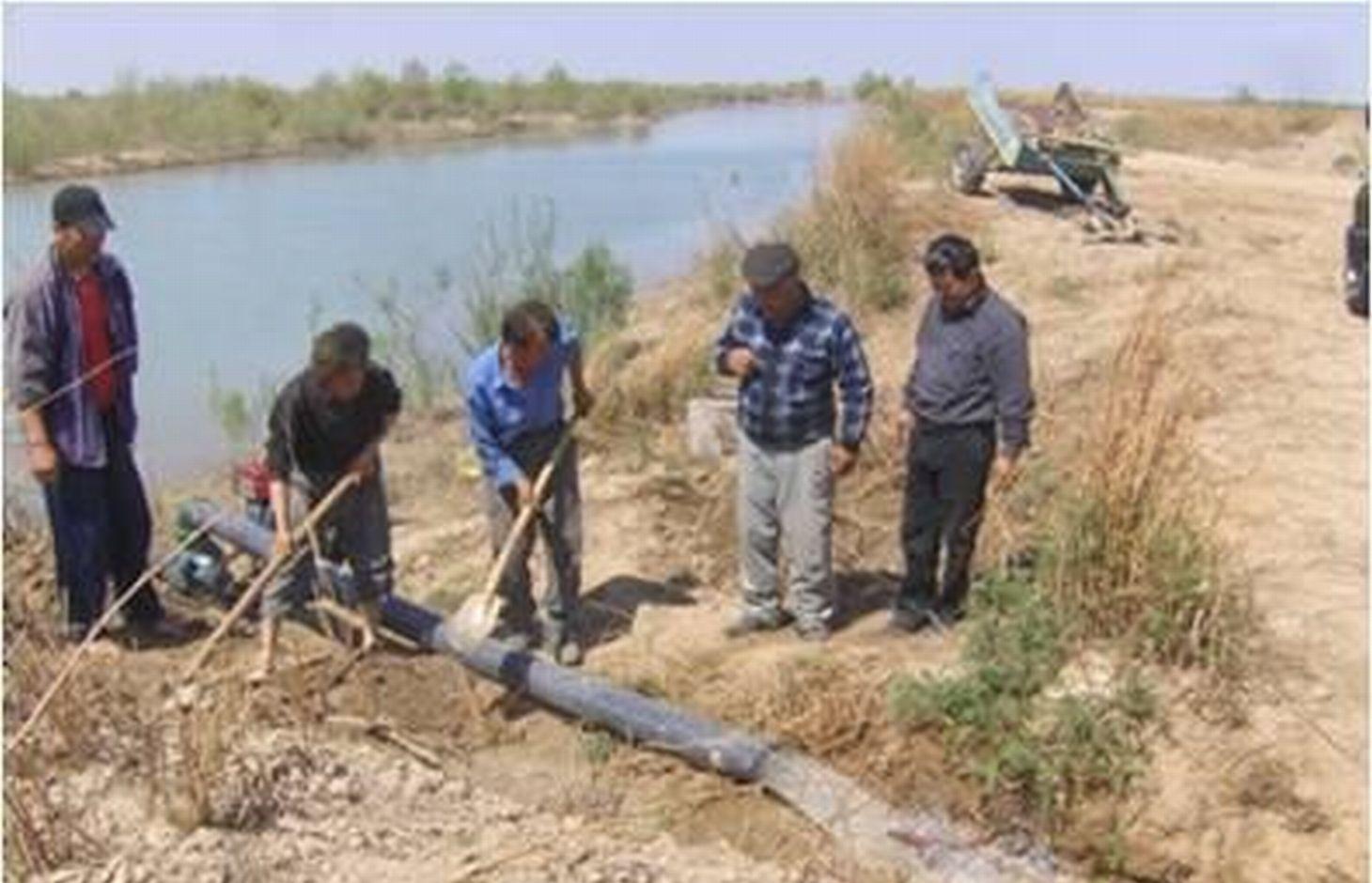
- 📍 Lower reaches of Amudarya
- 📷 B. Aybergenov
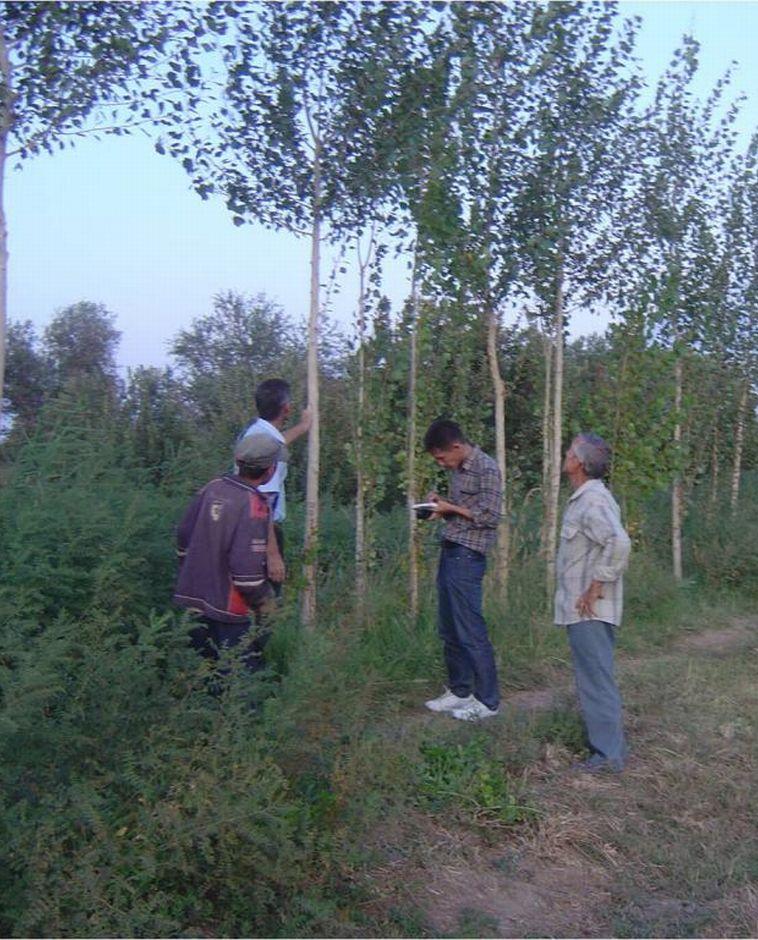
- 📍 Lower reaches of Amudarya
- 📷 R.Ibragimov