
Farmer Field Schools for improved agricultural practices in the irrigation zones of Uzbekistan
Type: Approaches
Creation: 2011-12-24 00:00 Updated: 2021-08-02 08:30
Compilers: Rustam Ibragimov
Reviewers: Fabian Ottiger, Alexandra Gavilano, Rima Mekdaschi Studer
Country/ region/ locations where the Approach has been applied
- Country: Uzbekistan
- Region/ State/ Province: Uzbekistan/Syrdarya, Kashkadarya oblast
- Further specification of location (e.g. municipality, town, etc.), if relevant: Ak-Altyn, Sardoba and Nishan districts
- Map: View Map
Description of the SLM Approach
Short description of the Approach
The training of farmers in sustainable agronomic and irrigation practices aimed at improving and increasing the productivity of soil (in the frame of CACILM).
Detailed description of the Approach
Aims / objectives: Most of Uzbekistan’s irrigated lands are affected by degradation processes, the most widespread of which include: (i) resalinization, (ii) water logging and raising water tables, (iii) loss of organic matter and reduction in soil fertility. The main goal of the Farmer Field Schools (FFS) is to train farmers in the best practices of cultivating crops on salinity and water logging affected gypsum-bearing soils and the , effecient use of irrigation water to increase land productivity and crop yield. FFS in the irrigated zone of Uzbekistan were established under the framework of the FAO project “Integrated management for sustainable use of salt affected and gypsiferous soils” (2002-2004).
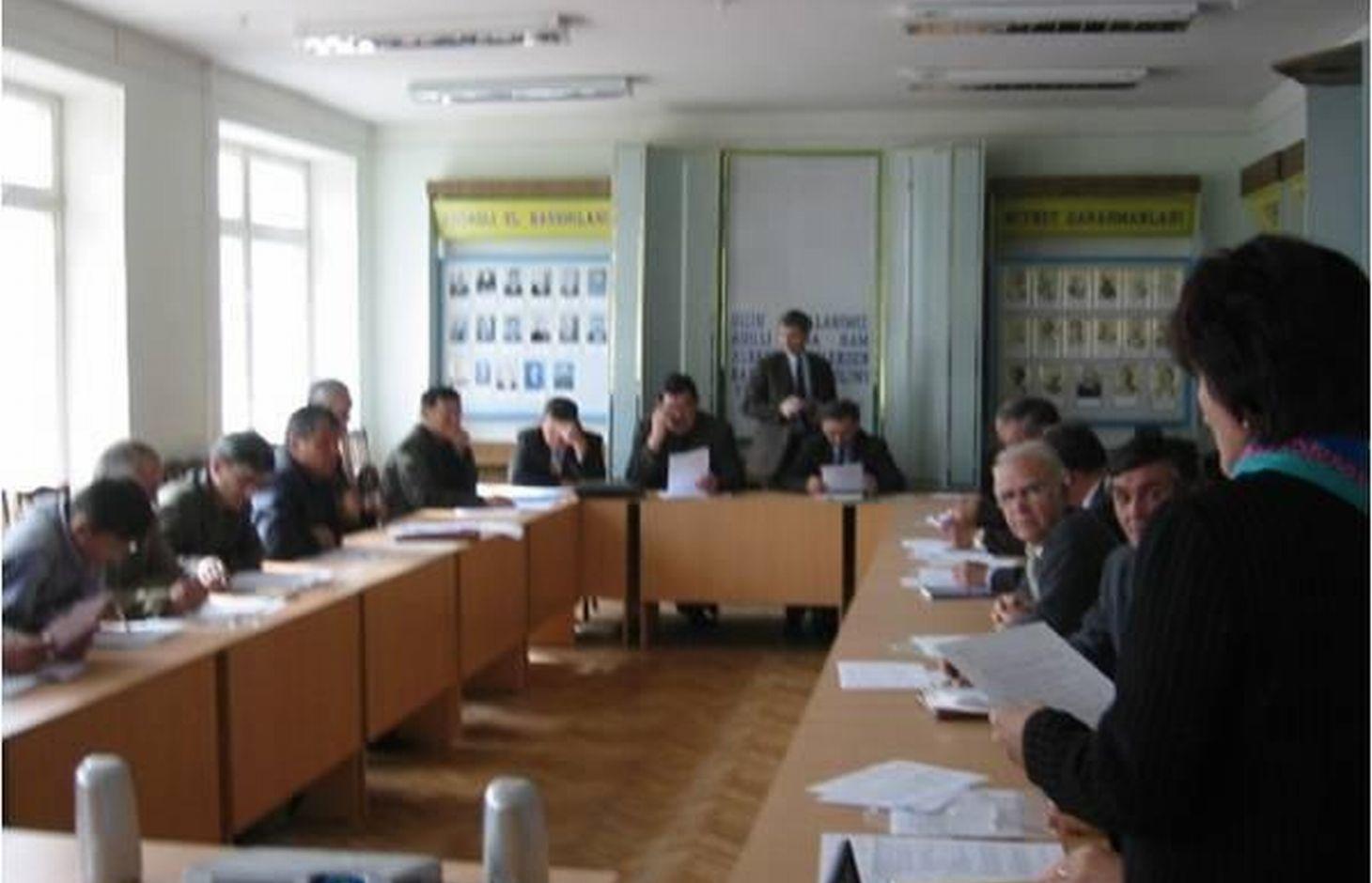
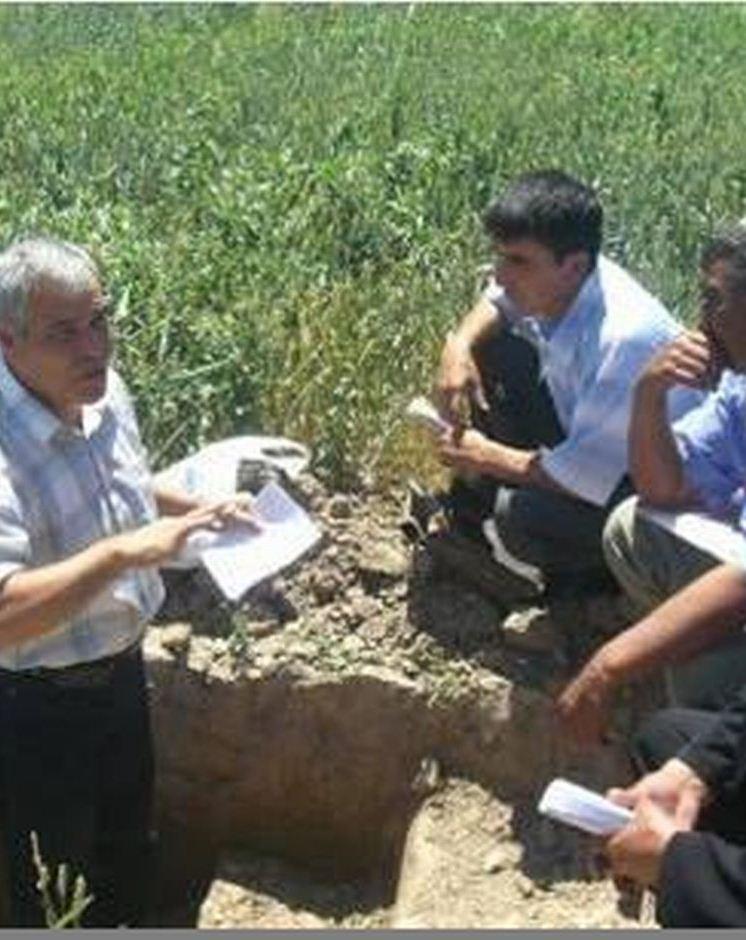
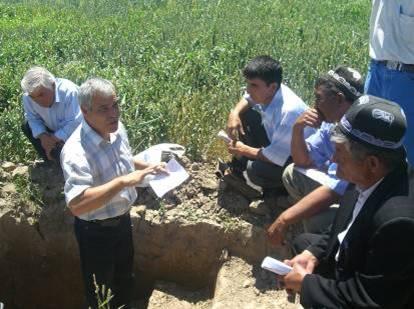
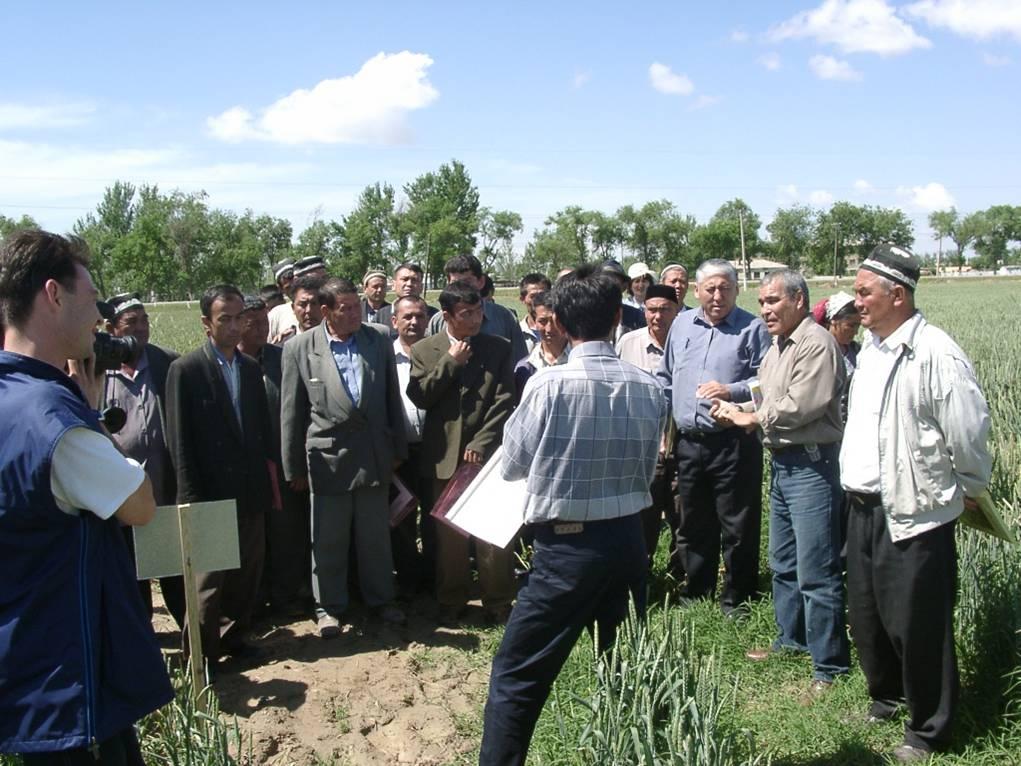
Methods: The project’s FFS component was implemented by the Uzgipromeliovodhoz Institute under Ministry of Agriculture and Water Resources. The national consultants’ workgroup from Uzgipromeliovodhoz Institute, led by the national Project Director, organized and managed training in the FFS. FFS trainee groups comprised of farmers from the project areas who volunteered to participate. Training was conducted by the trainers using jontly elaborated training confirmed modules. The training, which was performed in the field where the farmers were introduced to sustainable agronomic practices, proved to be effective. Theoretical knowledge was taught in the machinery and tractor depots, and in rural school classrooms.
FFS also used the method of mass information transfer in order to facilitate adoptation of improved irrigation practices by a large number of farmers. This included the distribution of printed materials, highlighting the issues of rehabilitating degraded land, the preservation and increase of soil fertility, crop cultivation practices.
Stages of implementation:
I. Development of curriculum. Three-day workshop, headed by a FAO international consultant. This consultant, jointly with scientists and experts in agriculture and water resources and the leading farmers, developed the curriculum as well as approved the subject and content of the training modules.
II. Training of trainers (tutors). For three weeks, trainers underwent a Training of Trainers workshop. Candidate trainers were selected from among the project experts, local scientists, qualified farmers with higher education degrees in agriculture and working experience in this field.
III. Training of farmers. The organization of the FFS in the project areas was headed by national consultants and supported by local project experts. The farmers from the project areas were assembled into groups of 20-25 people each. Training was conducted by the FFS trainers.
Photos of the Approach
- 📍 Tashkent
- 🗓 2002-05-03
- 📷 R.Ibragimov
- 📍 State Urta-Chirchik district/ Tashkent oblast/ Uz
- 🗓 2002-06-05
- 📷 R.Ibragimov
- 📍 State Urta-Chirchik district/ Tashkent oblast/ Uzb
- 🗓 2002-06-05
- 📷 R.Ibragimov
- 📍 The farm of Anvarbek Iminov. Sardoba district/ Syrdarya oblast / Uzbekistan
- 🗓 2002-12-05
- 📷 R.Ibragimov