
Community-Based Watershed Management
Type: Approaches
Creation: 2016-02-11 00:00 Updated: 2017-08-23 15:20
Compilers: Aqila Haidery
Reviewers: Deborah Niggli
Country/ region/ locations where the Approach has been applied
- Country: Afghanistan
- Region/ State/ Province: Bamyan
- Further specification of location (e.g. municipality, town, etc.), if relevant: Sar-e-Ahangaran, Bamyan center
- Map: View Map
Description of the SLM Approach
Short description of the Approach
Sustainable implementation of watershed management through appropriate SLM technologies, formation of organizational structures and capacity building of stakeholders
Detailed description of the Approach
The overall objective of the community-based watershed management project implemented at Sar-e-Ahangaran was to reduce water induced disaster risks and improve people’s livelihoods. The project was implemented by Catholic Relief Services (CRS) with people’s support and funding assistance from USAID.
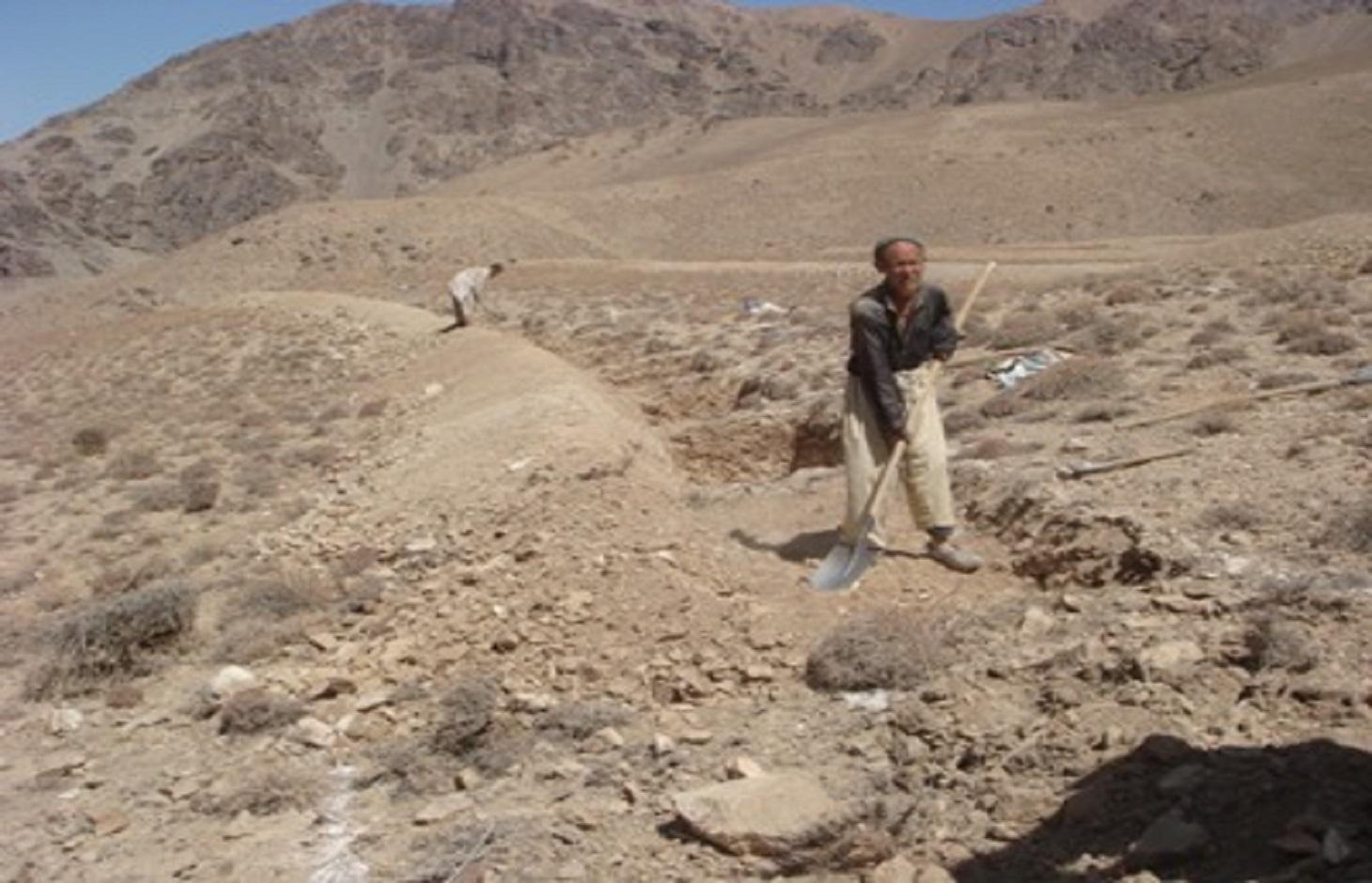
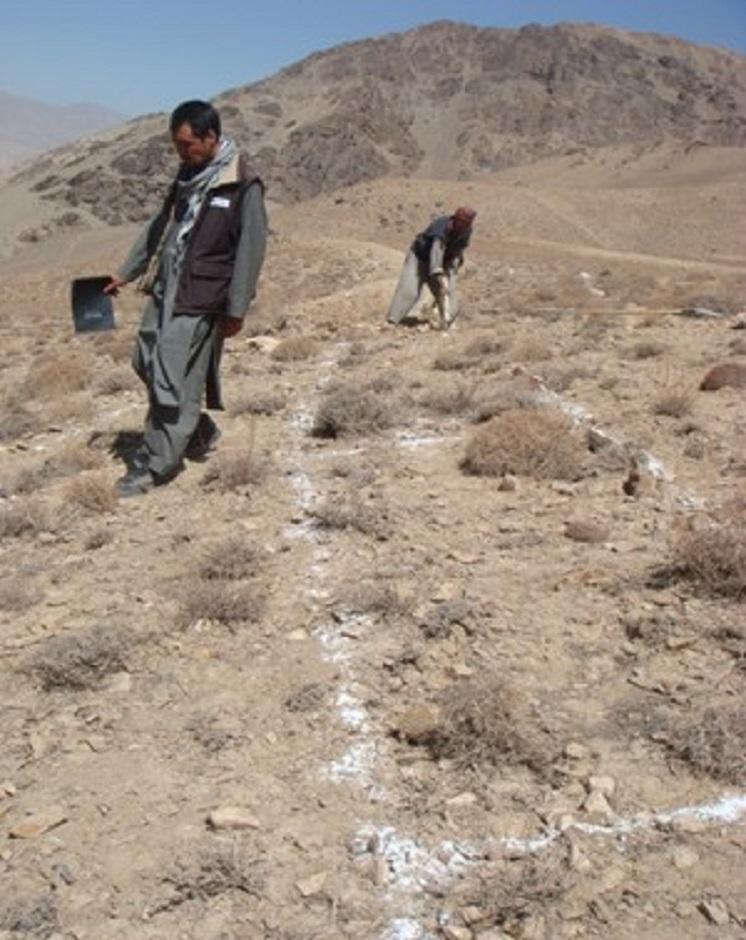
About 67 hectares of degraded land has been rehabilitated since 2009 through various soil and water conservation measures like stone walls, contour trenches and plantation of fodder species such as alfalfa. The local communities are also protecting the treated areas from grazing and shrub cutting.
With facilitation from CRS, a 15-member watershed management committee was appointed by the participating families. This was important for organizing watershed related works and for the sustainability of project interventions. Some rules for managing the selected watershed were also formulated in a participatory way. For instance, if anyone is found grazing animals at the site, he has to give one sheep to the watershed committee as a fine.
CRS has provided training and technical support to the watershed committee members and workers for project implementation and monitoring. The daily workers were selected from the local communities by the watershed committee and paid in cash as per national norms for their labor. CRS also organized awareness raising workshops regarding environmental conservation and water-shed management and the entire community including teachers and students participated in these village events.
As a result of Sar-e-Ahangaran watershed management project, the people have a more positive attitude towards natural resource management. The formation and capacity building of the watershed management committee is a step towards ensuring long-term sustainability of the project outputs and community owner-ship. The watershed committee is not yet registered with the government but for future sustainability, this will be an important activity. The Islamic Republic of Afghanistan is in the process of formulating a comprehensive community-based natural resource management strategy. Once in place, the Sar-e-Ahangaran community can take advantage of that strategy if the watershed committee is formally registered with the Ministry of Agriculture, Irrigation and Livestock (Bamyan).
The Community-Based Watershed Management approach is documented by Sustainable Land Management Project /HELVETAS Swiss Intercooperation which is funded by Swiss Agency for Development and Cooperation with close support and cooperation of the Catholic Relief Service (CRS).
Photos of the Approach
- 📷 SLM Project
- 📷 SLM Project