
Common village herding
Type: Approaches
Creation: 2010-02-23 00:00 Updated: 2017-07-05 15:55
Compilers: Christian Wirz
Reviewers: David Streiff
Country/ region/ locations where the Approach has been applied
- Country: Tajikistan
- Region/ State/ Province: Region of Republican Subordination
- Further specification of location (e.g. municipality, town, etc.), if relevant: Faizabad
- Map: View Map
Description of the SLM Approach
Short description of the Approach
Village herding system with daily alternation of the herders including each household in a monthly turnus.
Detailed description of the Approach
Aims / objectives: The herding system has to be easy and little labour-intensive, because children are the main workforce. It is a collective system and thus requires the participation of all households with families: For instance in the village Karsang with 141 households (not all having livestock) and two village herds, each family has to send monthly one child for herding or pay if it does not have workforce. In addition, always at least one adult has to accompany the herd. This means that children of big families only rarely miss school whereas those from small families miss more frequently. The final objective is to nourish animals maximally so they need a minimum of costly hay and concentrated feed (in terms of labour respectively in financial terms).
Methods: Children and adults are taught by the elders, the parents and the village land use committee how the rotation works: They should not stay at one place longer than three days, they should not chase the animals which otherwise lose energy unnecessarily and they shall not lose animals. Children not obeying are punished. In case of lost animals different approaches exist: Mostly the family of the herder who was responsible for the herd on the respective day reaches an agreement with the tenant's family.The village committee or elders can also arbitrate.
Stages of implementation: It is difficult to say when this system first emerged. A land user says that during Soviet Union there were village herds with a fix herder or an alternation like nowadays and, parallely, wealthy people had their own herd with a paid herder. During civil war only a few rich villagers kept animals and only at the beginning of the 2000s collective herding reemerged.
Role of stakeholders: The implementation of herding is a matter of each family's participation. The collaboration of the villagers with institutions is especially important in questions of taxes. In most villages the households pay per capita animal taxes. In order to improve SLM the land use committee on district level and the forest administration (as far as the village has such pastures) together with the local representants of the ecology commission advise the land use committees of each village to take the appropriate measures. And these talk with the herders to influence their comportment. A teacher from the local land use committee says that a lot is said about SLM, but little is effectively done.
Photos of the Approach
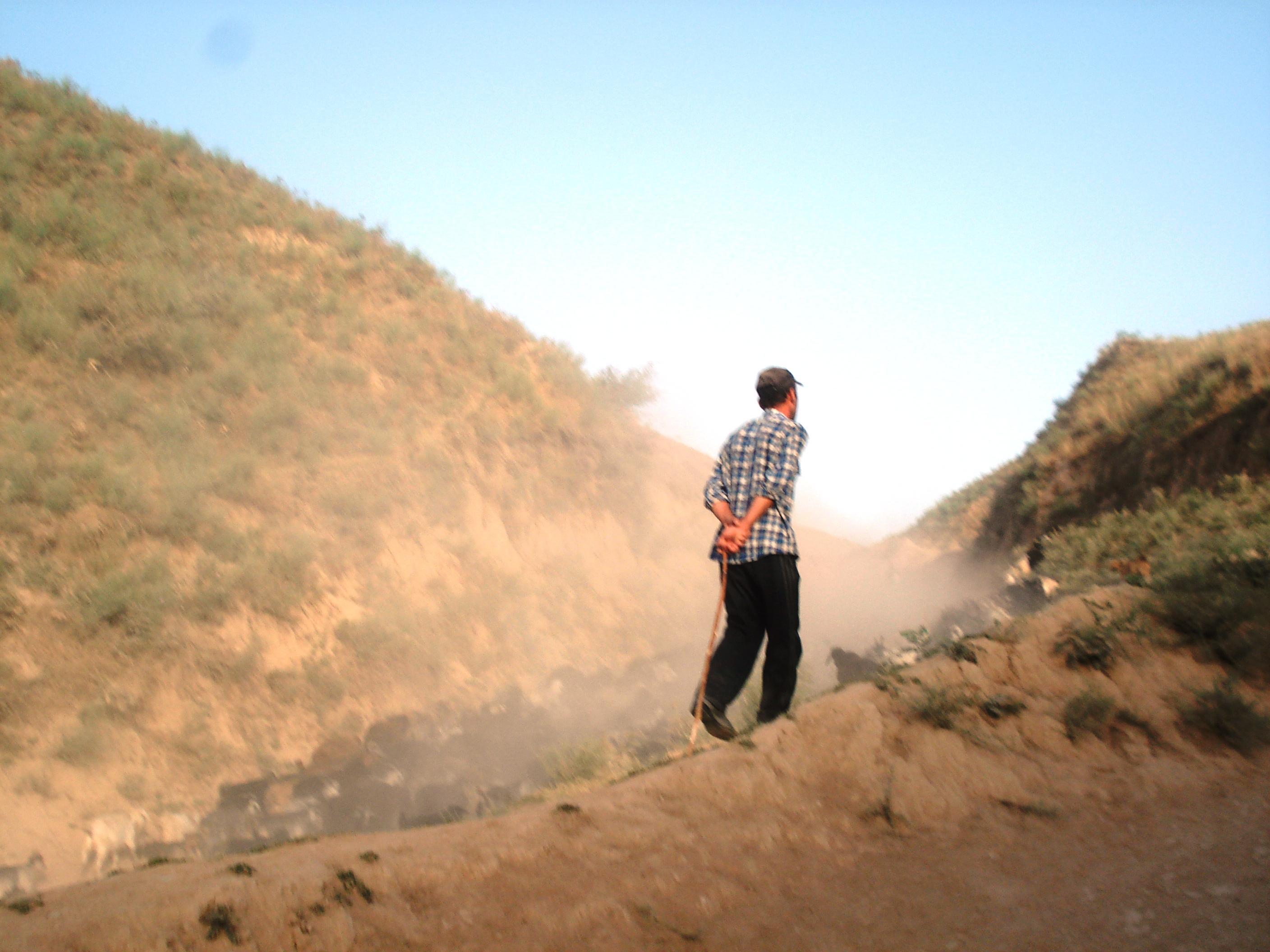
- 📍 Above Duoba, Faizabad / Tajikistan
- 📷 Christian Wirz, Switzerland (Switzerland)
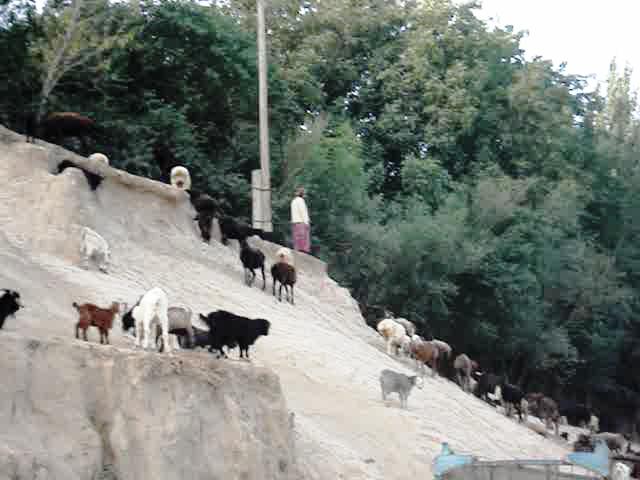
- 📍 Karsang, Faizabad, Tajikistan
- 📷 Christian Wirz, (Switzerland)
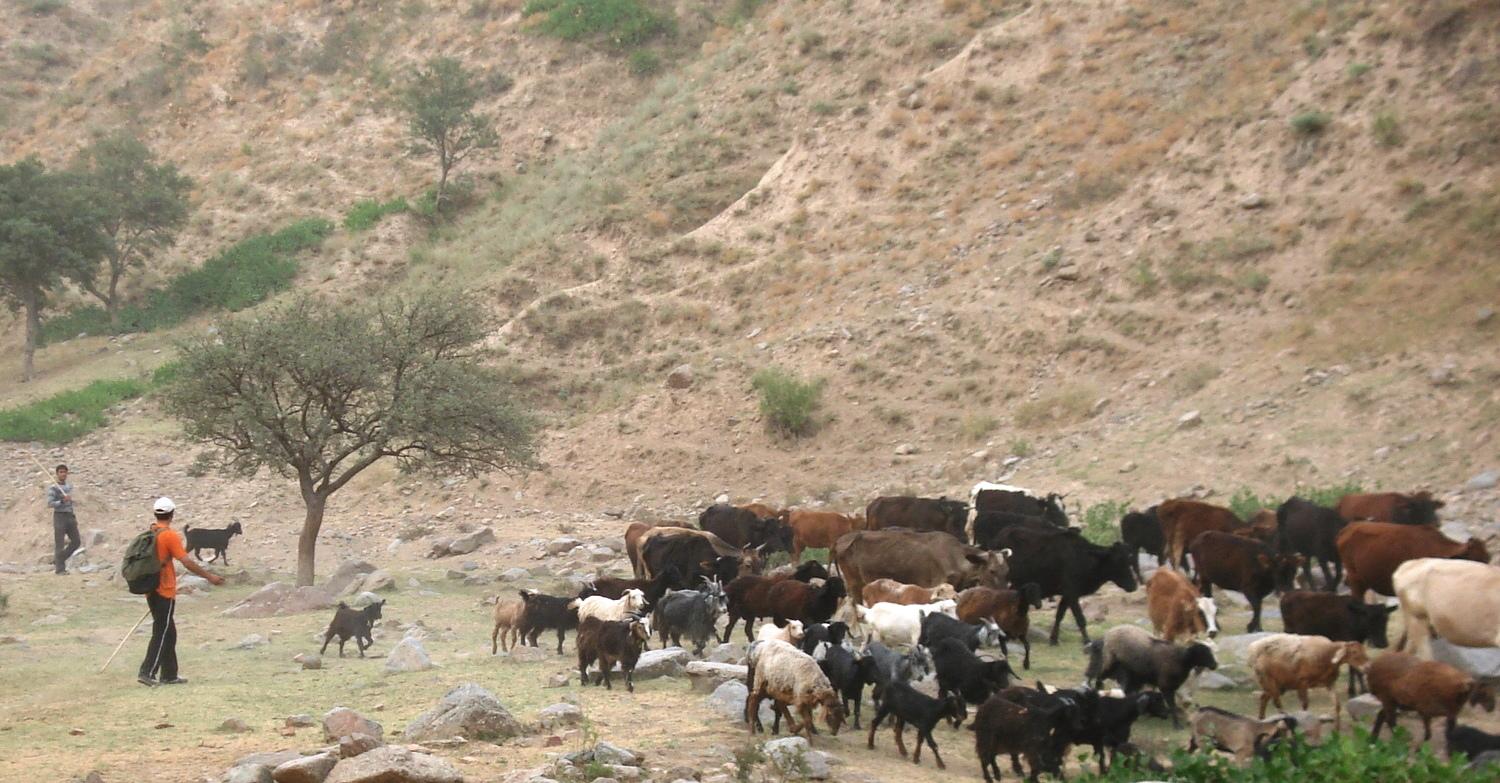
- 📍 Doba, Faizabad / Tajikistan
- 📷 Christian Wirz (Switzerland)