
Improved access to remote summer pasture - through infrastructure development
Type: Approaches
Creation: 2018-03-26 07:24 Updated: 2018-06-08 15:28
Compilers: Askarsho Zevarshoev
Reviewers: Maximilian Knoll, Yacime Khadraoui
Country/ region/ locations where the Approach has been applied
- Country: Tajikistan
- Region/ State/ Province: Roghun District/Rasht Valley
- Further specification of location (e.g. municipality, town, etc.), if relevant: Usually this approach is applicable in many parts of the country which is mainly mountainous regions and a similiar geography.
- Map: View Map
Description of the SLM Approach
Short description of the Approach
In the mountainous conditions of Tajikistan the main source of fodder for livestock is accumulated in remote pastures, which are located high in the mountains and are classified as summer pastures. Improving access with building infrastructure (roads and bridges) to these remote pastures as a main source of fodder for livestock during summer period will decrease burden on pastures close to the village and will help rehabilitation of degraded pastures and improvement of other environmental services provided by pasture lands.
Detailed description of the Approach
The main feature in this approach is to balance the use of the pasture land in different seasons thorugh development of access to this resources. After the collapse of the Soviet Union and break down of the kolkhozes and Sovkhozes in the mountainous area of Tajikistan, utilization of pasture lands were suffering because of poor infrastructure, such as roads and bridges. Through community mobilization and sharing of funding costs such as labour force, roads and bridges providing access to remote pastures are build. This approach motivated communities to put in place rotation plans of patures. The main objective of promoting this approach is to organize the whole potential of existing fodder from the pasture and decrease burden on the close pasture lands to communities.
In this approach participatory methods was used, where community shared labour force and the local government support with formal documentation to allow contraction of new roads and bridges. Funding was mobilized from different sources, such as donor funds, governments and sometimes from the community itself.
Communities as members of PUUs were mobilized to serve as labour with some funding from project to access materials and means for implementation. The plan was negotiated and coordinated with the local level governmental authorities for legal permission both on improving infrastructure and use of pastures remote from villages.
Communities were excited to have access to additional pasture lands, as source of fodder for livestock development. Under this approach communities were motivated to plan pasture use in a sustainable way. Since the approach involves construction of roads and bridges, it involved a lot of manpower, especially during the agriculture season, where land users were also busy in their fields.
Photos of the Approach
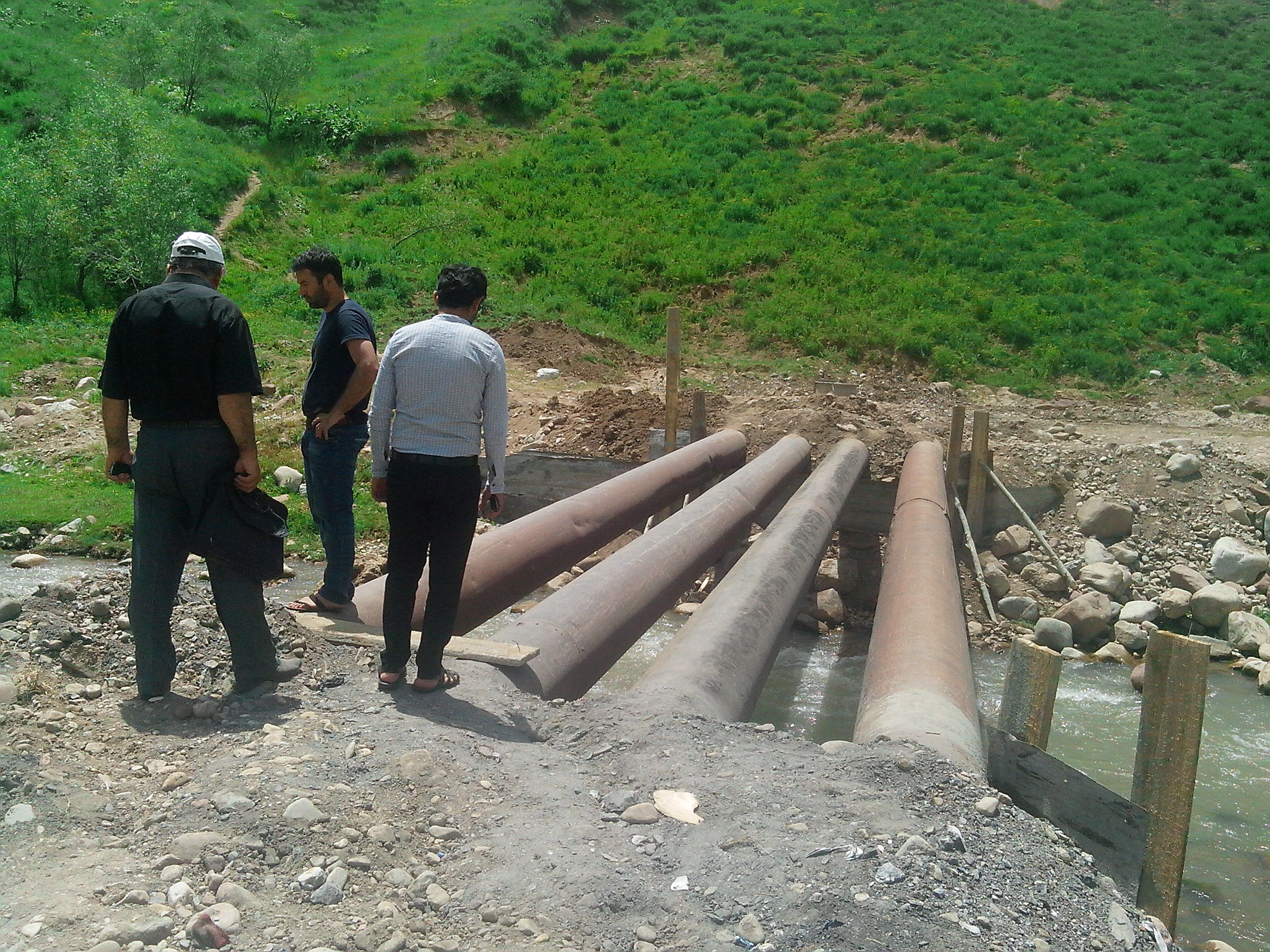
- 📍 Roghun District, Rasht Valley
- 📷 Boronov Ibrohim