
Sustainable livestock and pasture management
Type: Approaches
Creation: 2018-05-14 15:08 Updated: 2022-05-17 08:48
Compilers: Kamolidin Abdulloev
Reviewers: Farrukh Nazarmavloev, William Critchley, Rima Mekdaschi Studer
Country/ region/ locations where the Approach has been applied
- Country: Tajikistan
- Region/ State/ Province: Faizobod district
- Further specification of location (e.g. municipality, town, etc.), if relevant: Jamoat Dustmurod Aliev
- Map: View Map
Description of the SLM Approach
Short description of the Approach
Sustainable livestock and pasture management is implemented through creating Pasture Users Unions (PUU) which design and implement pasture and livestock management plans.
Detailed description of the Approach
The Government of Tajikistan is implementing a project, funded by the Pilot Program for Climate Resilience (PPCR) and the Global Environment Facility (GEF), with the objective of enabling rural people to build up their productive assets in ways that sustainably improve natural resource management, and build resilience to climate change in selected climate-vulnerable sites. Livestock are an integral part of the agriculture sector, although there has been a shift to more extensive livestock grazing from the intensive livestock farming system practiced before independence. Today, more than 90% of livestock are held in household farms, indicating the importance of livestock to rural livelihoods, and the system is based primarily on grazing, supplemented by limited cultivated fodder crops and minimal use of concentrates.
Pastures comprise about 35% of Tajikistan’s total land area and 80% of its agricultural land - however substantial degradation is taking place. Pasture degradation may be exacerbated by climate change, which is likely to increase variability in water availability and temperature, and may result in local droughts and floods. Properly managed pasture helps control water flows in ways which contribute to mitigating floods and droughts, maintaining soil conservation and fertility, and providing habitats for wild plants and animals. The aim of the activity is to introduce sustainable community-managed pasture/fodder-based livestock production systems in villages in the Faizobod district of jamoat Dustmurod Aliev, situated in the mid-hills of Tajikistan. Approximate membership of the Pasture Users Unions (PUU) is between 50 and 200 households per village depending on size, with between 6 and 10 villages per jamoat. Comprehensive pasture and fodder assessments and evaluation of the feed/fodder balances are carried out, followed by the development of Pasture and Livestock Management Plans (PLMP) for various interventions including; improvement of pasture productivity through rotational grazing, protecting areas for regeneration, pasture rehabilitation, improving access to remote pastures, and supplementary fodder production; animal health requirements and breed improvement measures; infrastructure to access and use remote pastures, such as spot road improvements, and stock watering points. By virtue of the fact that users will welcome this approach in their jamoats, they will be able to manage the broad issues of pasture degradation, animal health and fodder production. Above all it will help farmers to control the balance between livestock and fodder.
Photos of the Approach
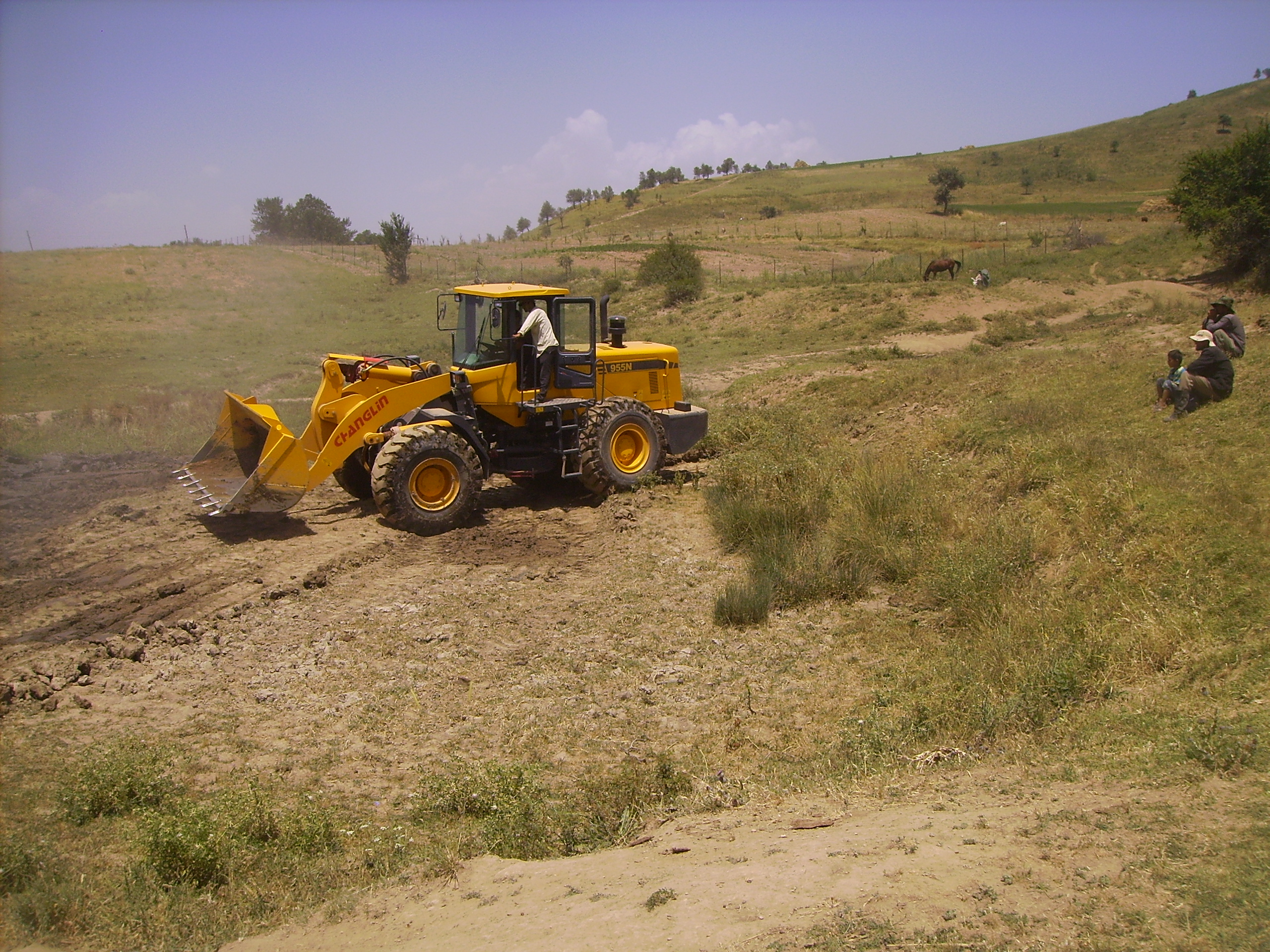
- 📍 Faizobod District
- 📷 Toirov Safar