
Veterinary clinic contributing to the health level of the livestock and improved pastures through prevention activities
Type: Approaches
Creation: 2018-07-07 15:49 Updated: 2018-07-17 15:25
Compilers: Kamolidin Abdulloev
Reviewers: Farrukh Nazarmavloev
Country/ region/ locations where the Approach has been applied
- Country: Tajikistan
- Region/ State/ Province: Kulob Region, Kulob District
- Further specification of location (e.g. municipality, town, etc.), if relevant: Ziraki Jamoat, Gulbogh Village
- Map: View Map
Description of the SLM Approach
Short description of the Approach
Improvement of the level of care and breeding cattle by opening a veterinary drugstore by this way to support livestock keepers somehow control pastures lands and livestock quantity
Detailed description of the Approach
Animal diseases would not mention by livestock keepers as a problem. Likely because they themselves perceive the present losses as unavoidable. The veterinary staff, however, estimates the annual losses of livestock due to diseases at 5-10%. Reasons given for this is that vaccines are often not made available for entire herd populations, but are only sufficient for around 70% of the total number of animals. Furthermore are some vaccination only carried out in case of an outbreak of disease (ring vaccination) and not as a routine. It was also noted that the privatization of veterinary services is problematic as the taxation of services is making it difficult for the vets in the rural areas to make a living out of their service provision. According to data infections diseases, such as gangrene, foot and mouth disease, brucellosis and other infectious diseases were registered in this rural area so depending on the season monitoring is conducted. Except for infectious diseases, there are other parasites infections are met in this rural area. In the case of not carrying out vaccination in a timely manner they will be spread, as well as failure to timely prevent other diseases leads to the loss of livestock, which will also reduce the economic level of the population and their living. This was the first problem, the second and the main is the balancing of fodder and livestock, and only villagers need to discuss how either the production of fodder can be increased or the number of animals can be reduced in order to achieve the potential production level of the animals, for which balancing fodder and number of livestock is a precondition. There are several options for how the balance between fodder and animals can be restored. The villagers need to have a plan and it would stipulate controlled grazing measures, this group does not have a plan but they some of the prevention activities. As the result of the approach, they opened livestock registered book that they regularly monitored the number of the livestock, calendar with the type of disease season, breeding process, mortality of the livestock, artificial insemination of animals at the clinic is planned to open, and species of birds. Additionally, vet clinic group specialists have been trained a different type of the training on; pasture assessment practical, how to develop and implement a scheme for rotational grazing, how to monitor potential pasture yields, determining the quality of fodder and feeds, housing process and so on. On behalf of the project for the representatives all the groups been provided composting, mulching, managing salinization, intercropping on slopes, drip irrigation, low-cost watering techniques, solar greenhouses, drought-resistant crops, bee-keeping, mixed fruit orchards, local varieties nurseries, rotational grazing, livestock breeding and maintaining, strategic watering points, use of perennial forage, solar energy technologies, marketing options and opportunities trainings through the facilitation organisation
Photos of the Approach
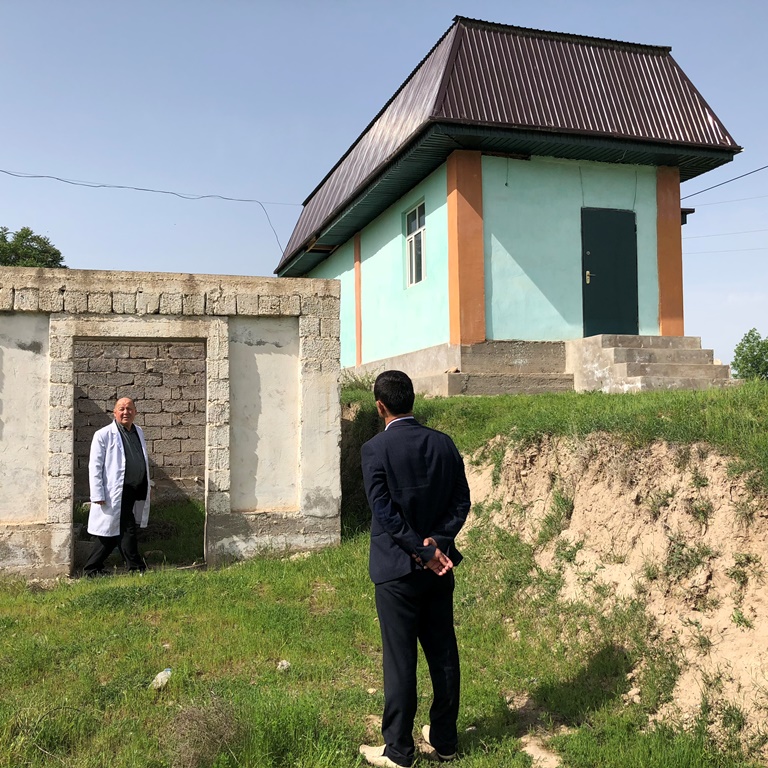
- 📍 Kulob district
- 📷 Kamolidin Abdulloev