Strengthening Farmers' Self-Grouping Participation in Organic Rice Production
Type: Approaches
Creation: 2018-11-14 08:12 Updated: 2021-01-07 10:22
Compilers: Yuthasong Namsai
Reviewers: Samran Sombatpanit, Rima Mekdaschi Studer, William Critchley
Country/ region/ locations where the Approach has been applied
- Country: Thailand
- Region/ State/ Province: Yasothon
- Further specification of location (e.g. municipality, town, etc.), if relevant: Ban Naso, Naso Sub-district, Kutchum District, Yasothon Province, Thailand
- Map: View Map
Description of the SLM Approach
Short description of the Approach
A group of 253 farmers have participated in organic rice production covering an area of 6,000 rai (960 ha) since 1989. The organic rice has been certified as meeting the standards of OACT and IFOAM; more than 3,000 tons/yr have been exported.
Detailed description of the Approach
The distinctive character of this farmers’ group is the production of organic crops by using organic fertilizers from agricultural by-products and residues from organic-fermented liquid kitchen wastes and green manure. The group has been successfully supported by private and public organizations. The main objectives are to produce organic rice for export for higher income, with the aim of better health for farmers and consumers – through avoiding agricultural chemical residues. The establishment of a learning and training center has been an important tool to scale-up and scale-out the activities; the certification of the products has been necessary to promote exports. The stages of implementation were as follows: (1) formulate and prioritize policy and plans by the committee of 20 farmers from the group; (2) organize meetings for the 253 farmer members to determine rice varieties and after-rice vegetables; (3) purchase raw materials for making compost from three sources of funds: first from the group by selling compost to non-members; second through the private export companies paying a premium of approx. 300,000 THB/yr to the group; and third, government agencies supporting materials for learning and training. This model of using organic fertilizers to produce organic crops is being scaled-out to 33 farmer groups in various districts of Yasothon Province. The main crop is organic rice, which is collected at the center for export. Implementation includes planting, tending the crop, harvesting, certification, and selling. The 253 farmers in the group produce and sell their own products in the local markets, and to restaurants and hospitals, while private companies purchase the rice for export. The Land Development Department provides the knowledge for making compost and organic-fermented liquid and also distributes green manure seeds and activators of bacteria and fungi for compost fermentation. The Department of Agricultural Extension provides funding in establishing the learning and training center and materials used for training. The Agricultural Cooperatives Promotion Department supports the development of skills in household accounting. The Department of Groundwater provides groundwater irrigation by drilling wells 30-40 m deep. The Department of Alternative Energy Development and Efficiency provides solar cells as the source of energy. Private organizations such as OACT and IFOAM certify the organic food products. The farmer groups are fully satisfied with the quality of their rice products that meet market demand well, and they get higher incomes as a result. Farmers are healthier and are safe from agricultural chemical residues; all of them are proud of their export quality rice products.
Photos of the Approach
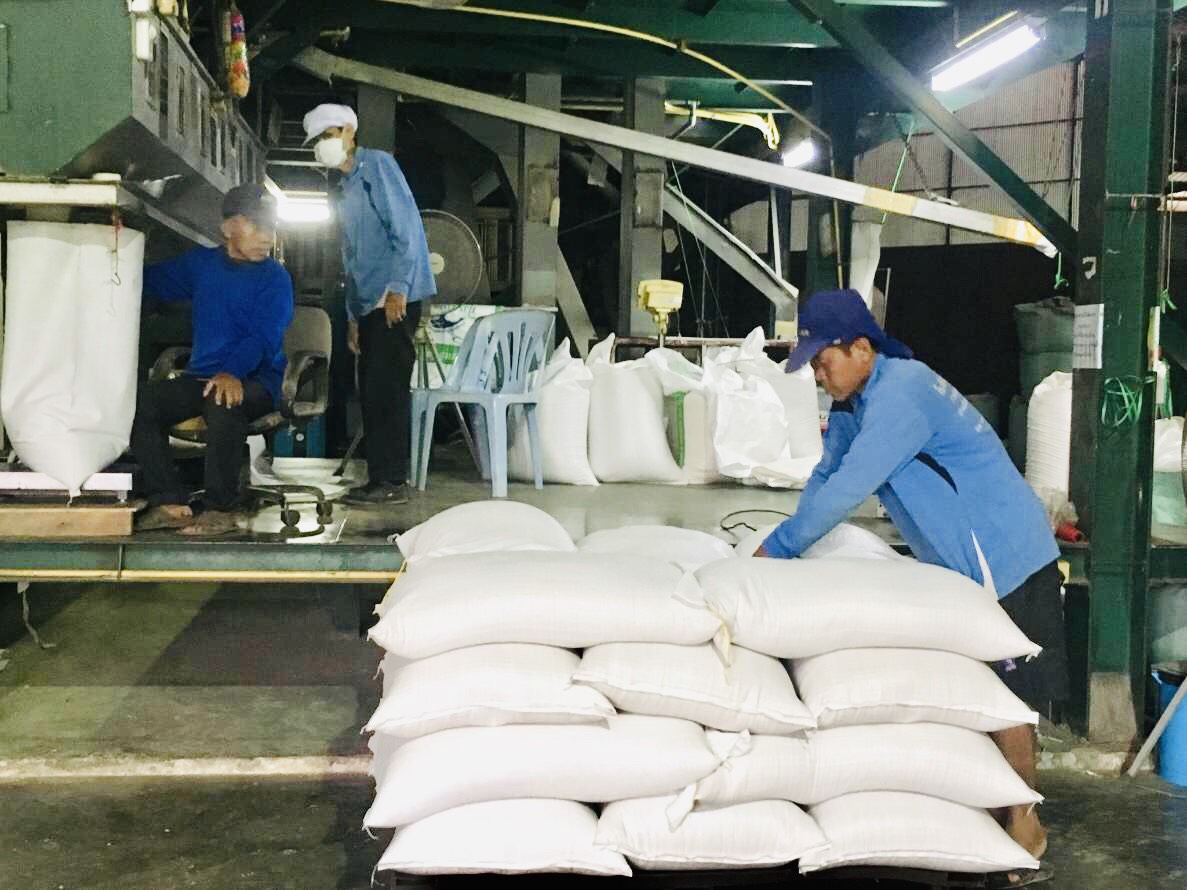
- 📍 Ban Naso, Naso Sub-district, Kutchum District, Yasothon Province, Thailand
- 🗓 2018-09-10
- 📷 Yuthasong Namsai
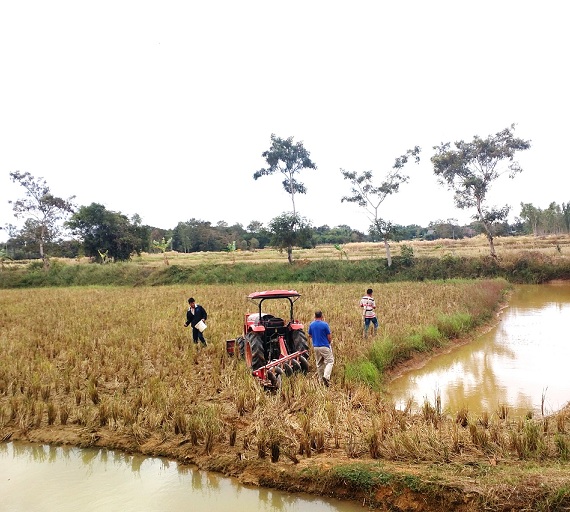
- 📍 Ban Naso, Naso Sub-district, Kutchum District, Yasothon Province, Thailand
- 🗓 2018-09-10
- 📷 Yuthasong Namsai