Learning center and dissemination of land development technology
Type: Approaches
Creation: 2019-01-04 04:05 Updated: 2021-05-03 16:22
Compilers: supranee sritumboon
Reviewers: Samran Sombatpanit, Rima Mekdaschi Studer, Pitayakon Limtong, William Critchley
Country/ region/ locations where the Approach has been applied
- Country: Thailand
- Region/ State/ Province: khon kaen
- Further specification of location (e.g. municipality, town, etc.), if relevant: Longitude: 102.657778………………. Latitude: …16.018217……………………
Description of the SLM Approach
Short description of the Approach
The learning and transfer center for land development technology was set up on the farm of the volunteer soil doctor, a farmer who was selected and trained by the Provincial Land Development Station and Land Development Department Regional Office 5 (LDDRO5) in integrated management of saline soils.
Detailed description of the Approach
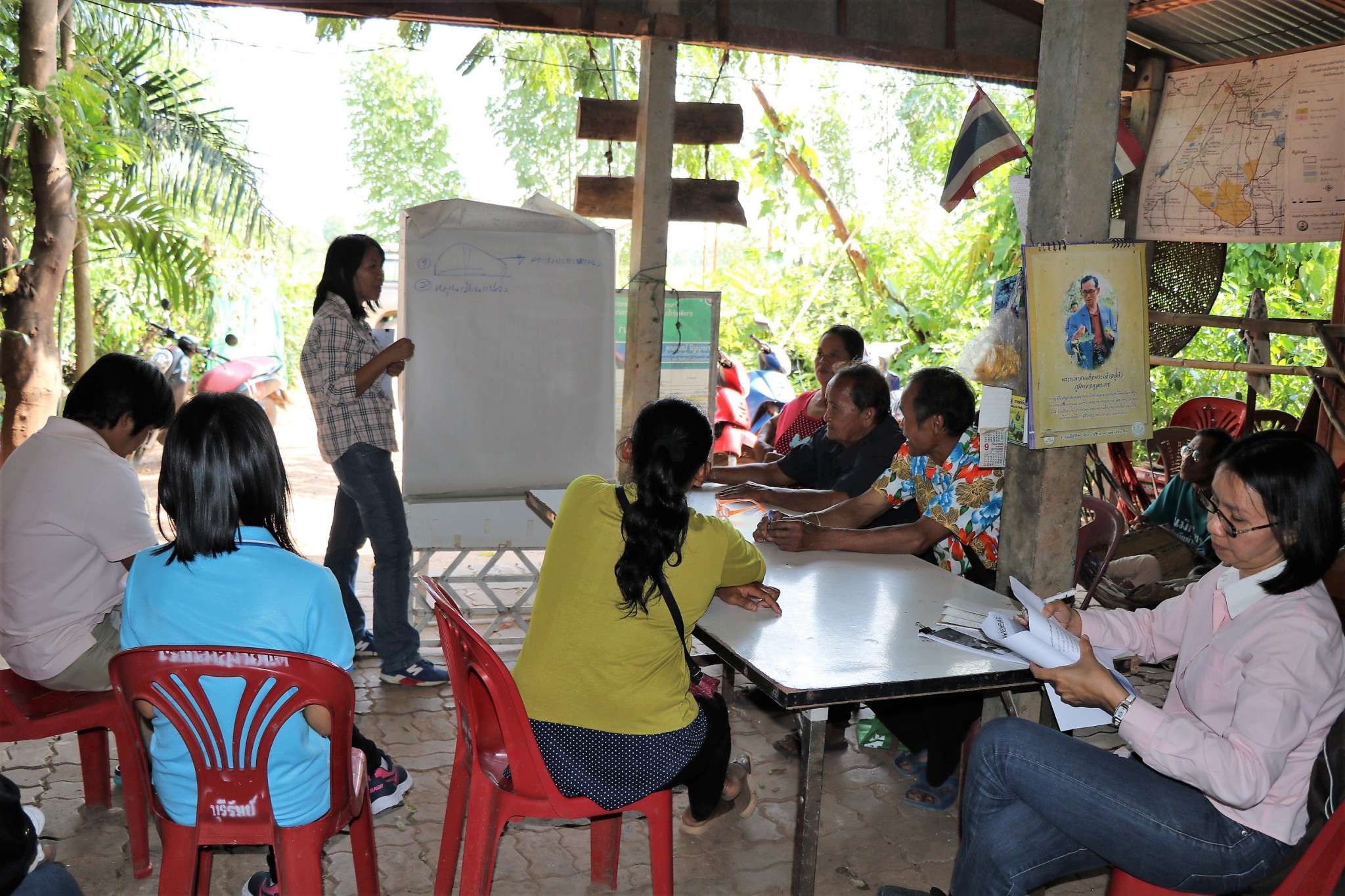
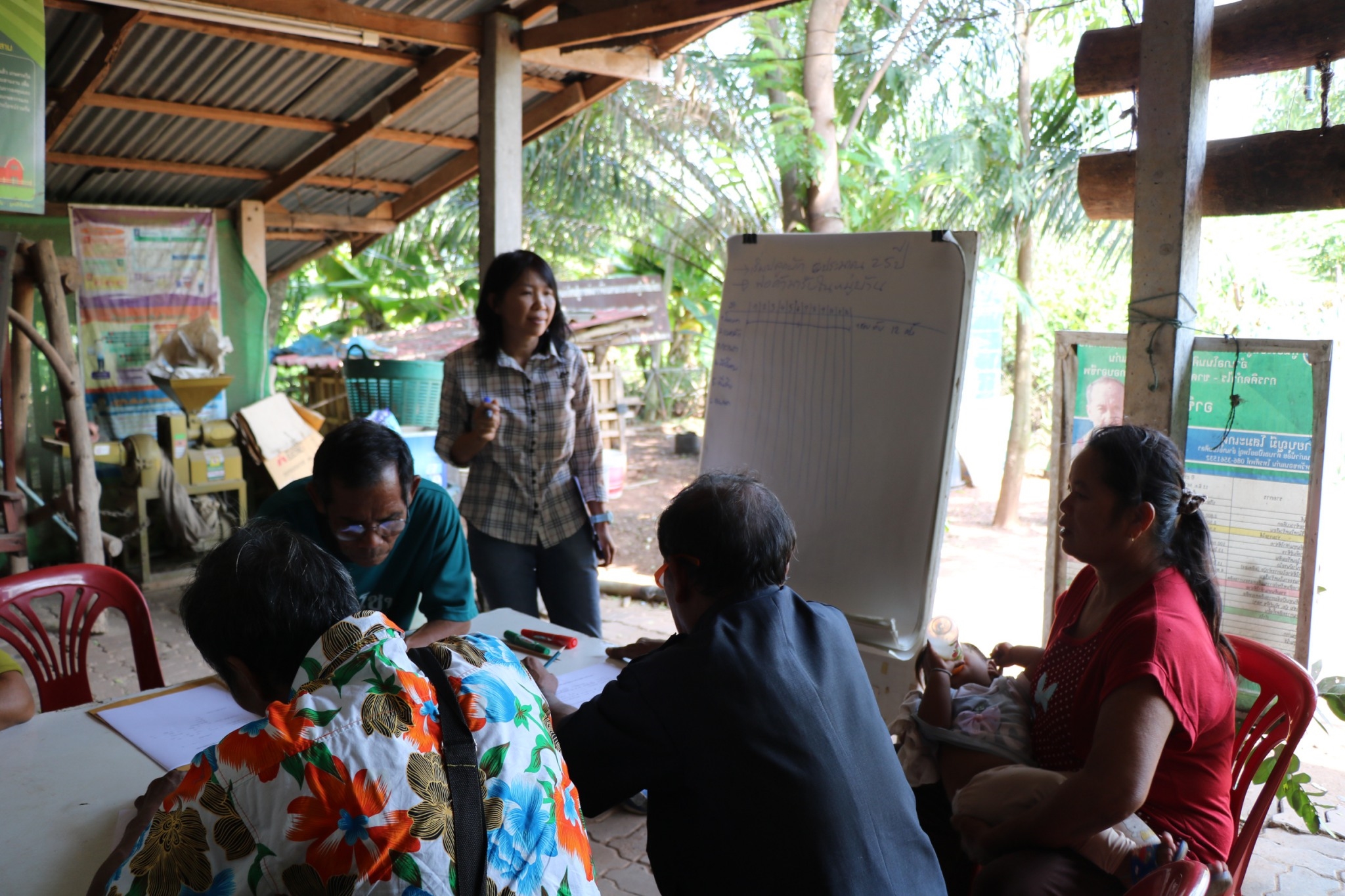
The learning and transfer center for land development technology was set up on the farm of the volunteer soil doctor, a farmer who was selected and trained by the Provincial Land Development Station and Land Development Department Regional Office 5 (LDDRO5) in integrated management of saline soils. This center is used as a training facility for meetings, discussions, and sharing knowledge among farmers and officials. In addition, the center is a place to coordinate with other government agencies in the area. The volunteer soil doctor who is a landowner has played a role as coordinator between farmers and government officials: he is also a lecturer. Officers of LDDRO5 had worked on promoting the integrated management of salt-affected soils through this center. Firstly, the LDD local expert and agriculturists had discussed with the volunteer soil doctor about the process of learning and transferring land development technology. This then provided knowledge, and encouraged farmers to change areas that were unsuitable for monocropping of rice to grow other crops as appropriate throughout the year, resulting in continuous and sustainable land use.
In summary the method was as follows:
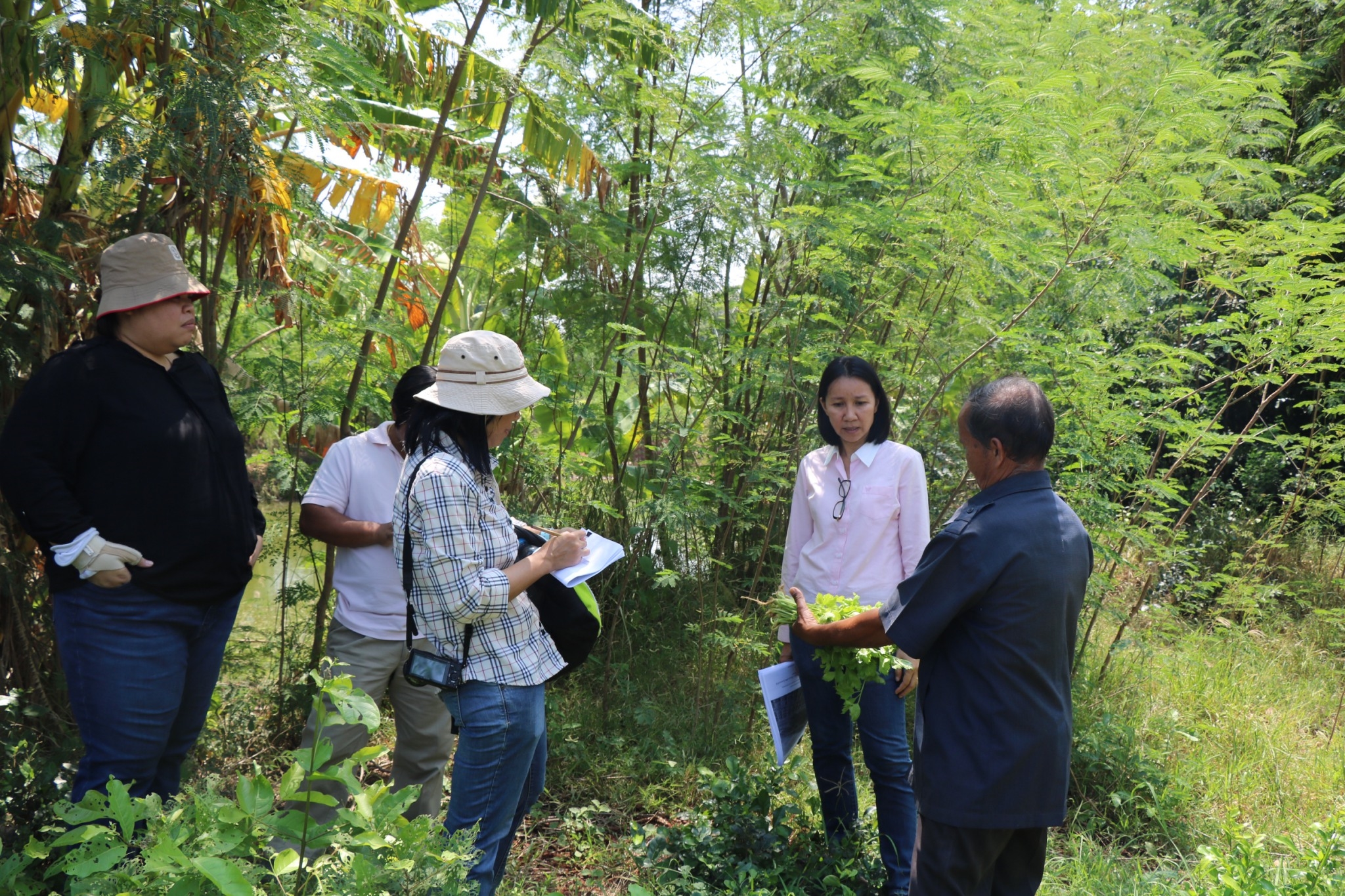
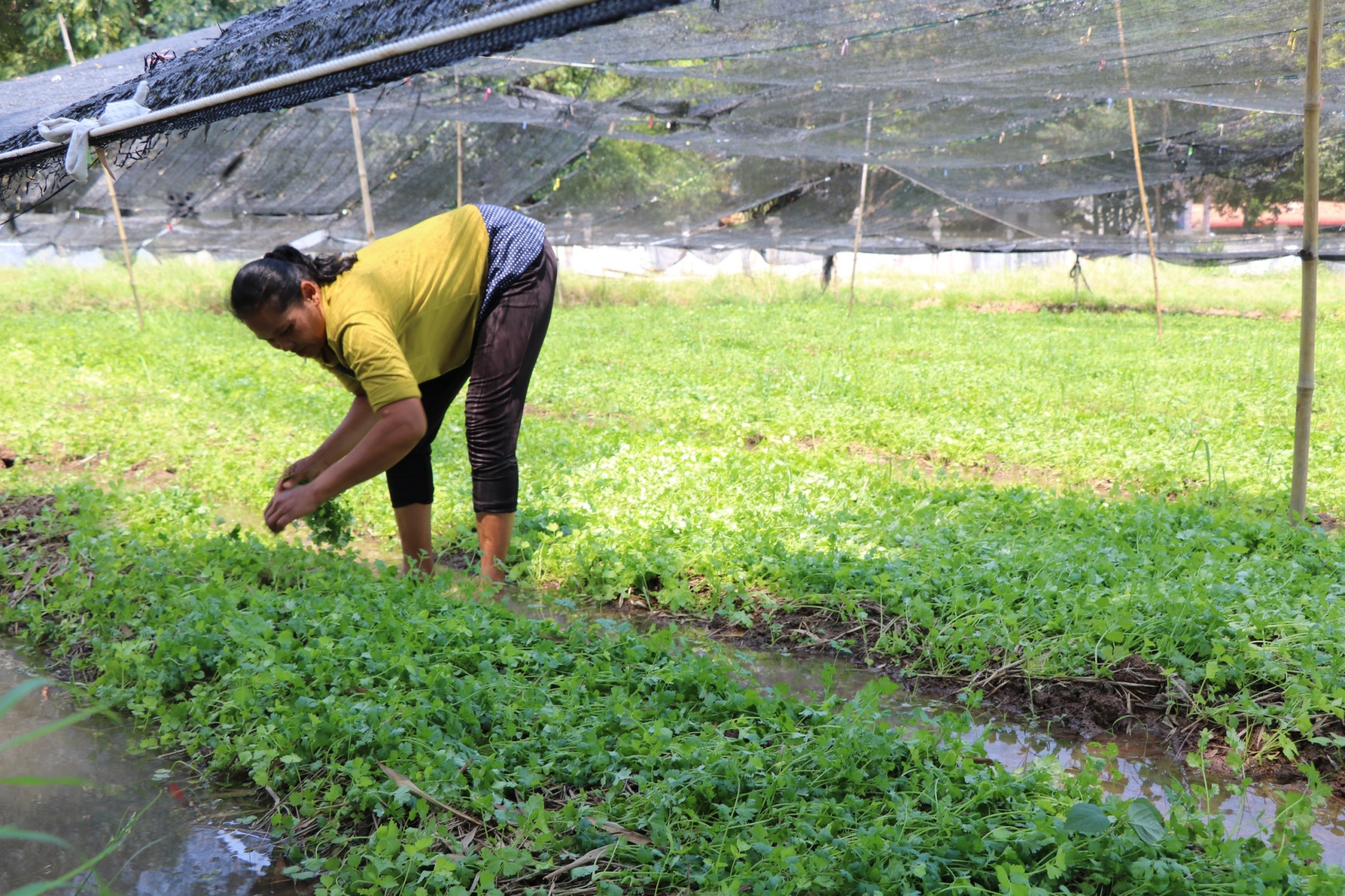
1. The expert and agriculturists of the LDDRO5 had learned the technology of vegetable production from farmers with more than 25 years of experience, and achieved success in using shallow groundwater for continuous agriculture without being affected by salty groundwater.
2. They then cooperated with the volunteer soil doctor and farmers in the community for design and planning of a land development project that would be implemented in the salt-affected area.
3. The officers of the LDDRO5 set up a forum to exchange knowledge and experiences between successful farmers.
4. The officers collaborated with the government office in the district to train farmers interested in vegetable production in their salt-affected areas.
5. Then, the officers of the LDDRO5 created motivation for farmers to change areas that are not suitable for planting paddy rice to grow vegetables by supporting shallow groundwater wells and pumping with solar energy.
Photos of the Approach