
Integrated rain-fed farming of cereals for adaptation to climate change
Type: Approaches
Creation: 2019-01-15 17:16 Updated: 2019-01-31 16:53
Compilers: Stefan Michel
Reviewers: Umed Vahobov
Country/ region/ locations where the Approach has been applied
- Country: Tajikistan
- Region/ State/ Province: Sughd region
- Further specification of location (e.g. municipality, town, etc.), if relevant: Devashtich and Istaravshan districts
- Map: View Map
Description of the SLM Approach
Short description of the Approach
Rain-fed agriculture faces challenges from climate change impact, inappropriate crop varieties and inadequate inputs. The approach of integrated rain-fed farming reduces the adverse effect of climate change impacts and improves the income of farmers.
Detailed description of the Approach
Rain-fed cultivation of wheat and other crops is hampered by poor agricultural practice and these challenges are increasingly exacerbated by the impact of climate change. The already visible trends and predictions show higher levels of aridity, higher temperatures during the vegetation season, reduced overall precipitation, more irregular rainfall patterns, reduced snow packs and accelerated snow melt. These factors all cause a reduced availability of moisture in soil during the growth season. Increasingly irregular rainfall patterns make it difficult for farmers to predict during the season of drilling if soil moisture will be sufficient for rain-fed farming.
Other problems in rain-fed farming are caused by inadequate agricultural practice. Crop varieties producing high yield of good quality under the local conditions of rain-fed fields are not available for local farmers. Classical tillage causes loss of humus content of topsoil, wind and water erosion and high evaporation. Insufficient knowledge about the use of agrochemicals, difficult access to these and financial shortages experienced by farmers during the time of planting and growing of crops cause the inadequate application of fertilizer and pesticides and cause crop losses and quality issues. Only wealthy farmers are able to purchase timely sufficient amounts of agricultural inputs. Most farmers apply insufficient amounts and inadequate combinations of fertilizers, thus contributing to the decline in soil fertility. Unreliable harvest amounts reduce the marketability of the agricultural products and cause low income levels of farmers, again affecting their ability to work their lands effectively and sustainable.
The approach aims at reducing these risks and obstacles in an integrated way under consideration of ongoing trends and predicted impacts of climate change. The approach therefore combines several elements through an agricultural extension service:
•Agricultural extension service providing tailored assistance to the farmers;
•Provision of agricultural inputs through the extension services to ease the application of technical advice and reduce transaction costs for the farmers;
•Packages of agricultural inputs include seeds/planting material, fertilizers and pesticides as well as growth regulator with the instruction for their correct use;
•The agricultural extension service provides access to crop varieties, which are adapted to the local site conditions and produce reliable high yields of best quality;
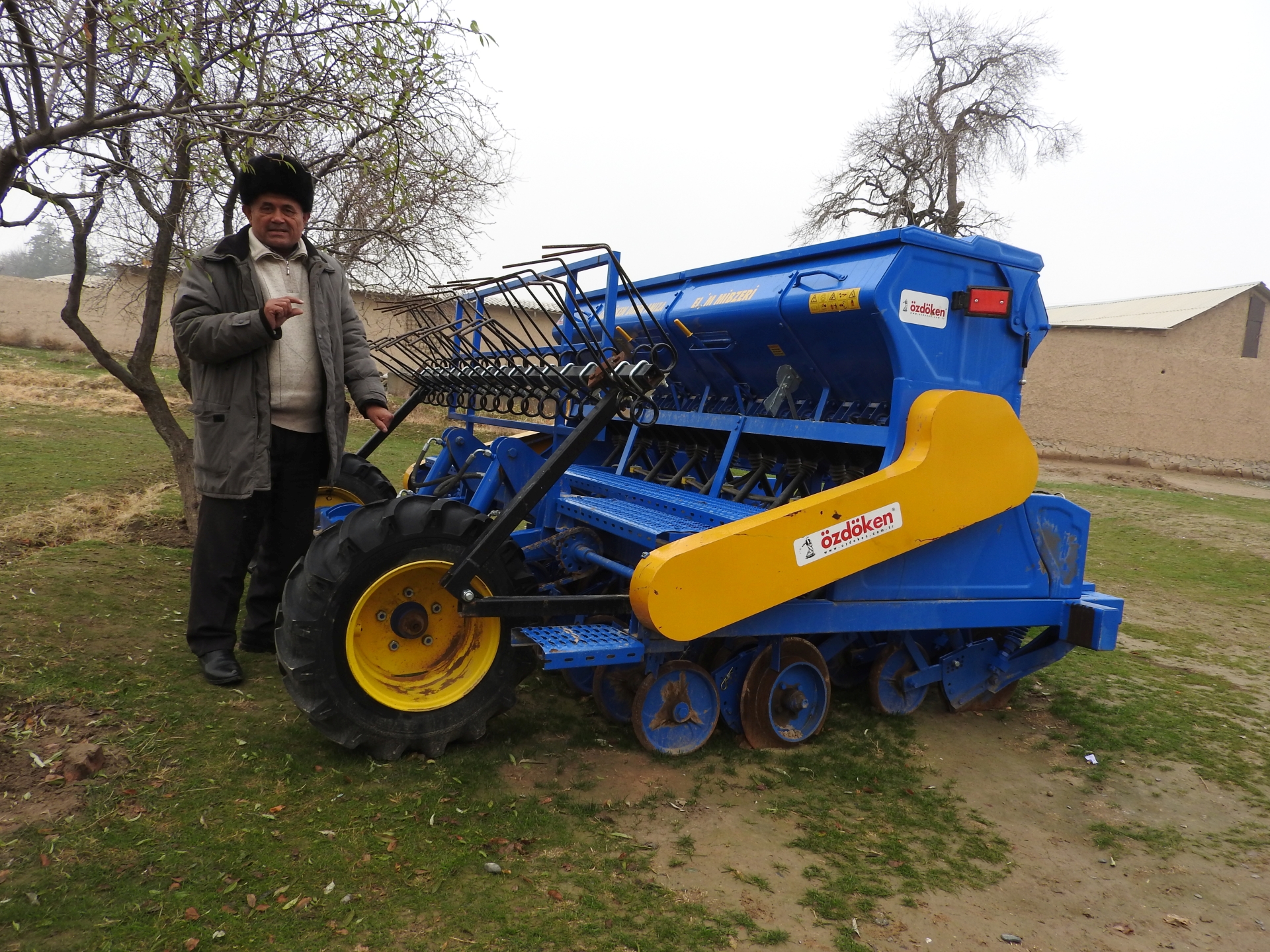
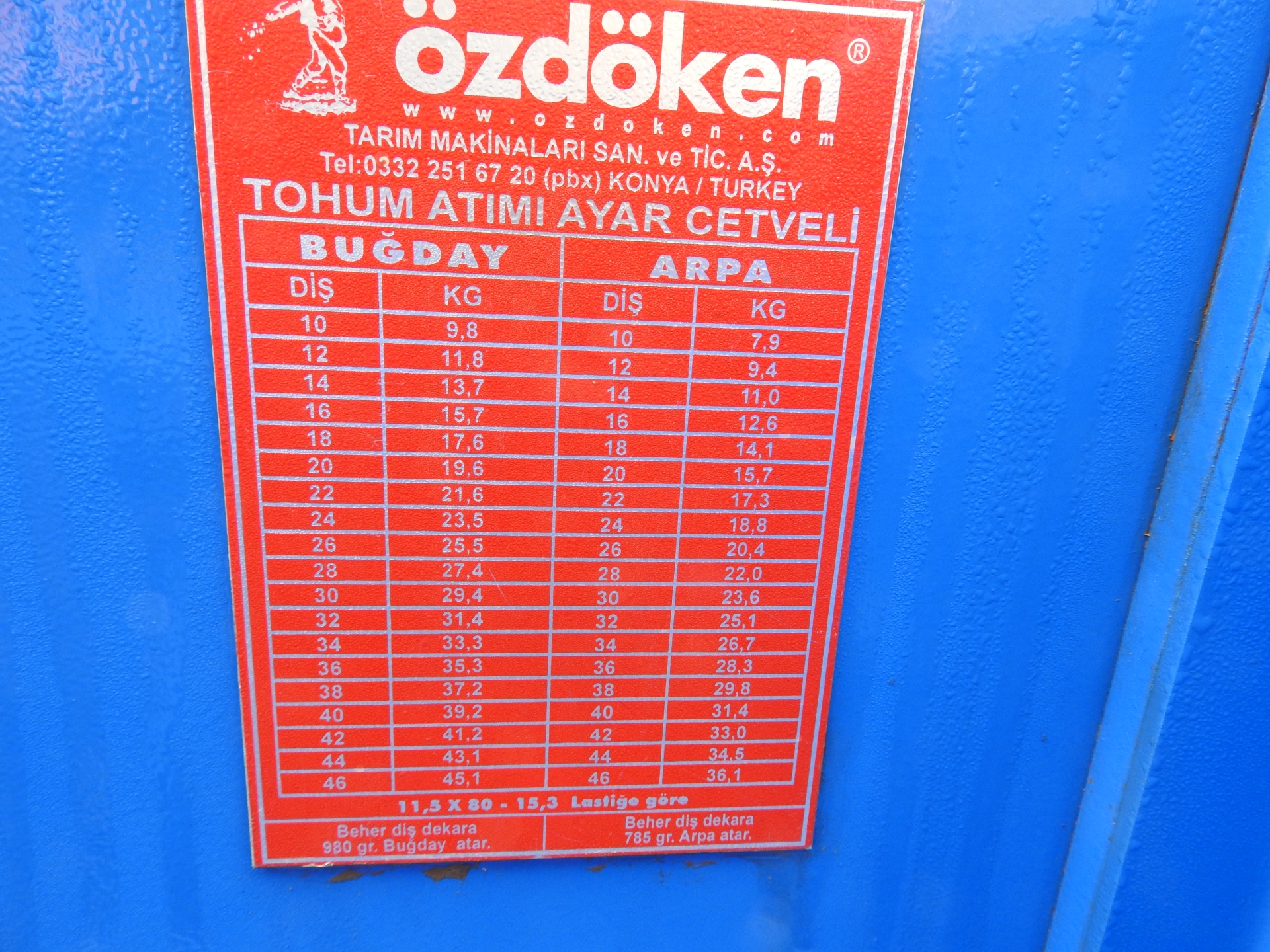
•Provision of machinery for drilling in combination with application of tailored amounts of fertilizer;
•Agricultural inputs are provided to farmers on a part loan basis by the extension service: farmers pay 50% of the costs of the package when purchasing, the remaining 50% are paid after harvest, with a zero interest rate (the extension service buys the inputs at bulk price and sells them to the farmers at retail price, which is 115% of the bulk price);
•Technological assistance includes cultivation technology like zero tillage and the use of modern drilling machines.
Photos of the Approach
- 📍 Sughd region, Devashtich district, Khushtoiri Mukhlon village
- 📷 Stefan Michel
- 📍 Sughd region, Devashtich district, Khushtoiri Mukhlon village
- 📷 Stefan Michel