
Increased efficiency of irrigation water use to address climate change related water shortage
Type: Approaches
Creation: 2019-01-15 17:20 Updated: 2019-01-31 17:00
Compilers: Stefan Michel
Reviewers: Umed Vahobov
Country/ region/ locations where the Approach has been applied
- Country: Tajikistan
- Region/ State/ Province: Sughd region
- Further specification of location (e.g. municipality, town, etc.), if relevant: Shahriston district, Sughdiyon village and J. Rasulov district, Dehmoi village
- Map: View Map
Description of the SLM Approach
Short description of the Approach
Climate change impact contributes to irrigation water shortage. The approach of improving irrigation water delivery, distribution and use prevents irrigation water losses and increases the productivity per amount of irrigation water available.
Detailed description of the Approach
Irrigated agriculture is in many areas limited by the availability of irrigation water. In many irrigated areas the canals delivering water to villages, distributing it between farms and the on-farm irrigation systems are in poor shape, which causes substantial water losses. The human population growth further contributes to shortages of irrigation water.
These problems are increasingly exacerbated by the impact of climate change. The already visible trends and predictions show higher levels of aridity, higher temperatures during the vegetation season, reduced overall precipitation in catchment areas, more irregular rainfall patterns, reduced snow packs and accelerated snow melt as well as the loss of glaciers as buffers of water flow. These factors all cause a reduction of available irrigation water, while higher temperatures and expansion of irrigated agriculture – partly also caused by increasing aridity and reduced feasibility of rain-fed farming – lead to higher irrigation water demand.
Additionally the increasing frequency and intensity of flashfloods, debris flows and landslides poses substantial risks to the stability and functioning of irrigation canals and thus to the livelihoods of farmers and food security.
The approach therefore aims at reducing the substantial losses of irrigation water caused be seepage from delivery and distribution canals, structural problems in irrigation systems (diversion weirs) and on-farm irrigation. It also addresses risks caused by flashfloods, debris flows and landslides. The structures between major canals, which are managed by the Water Management Departments, and the individual farms are managed by the administrative communities, the mahalla committees, which represent the inhabitants of one village or a section of a larger village. These institutions are called communal self-governance structures, but are subordinated to the government as they are reporting to te sub-district or jamoat.
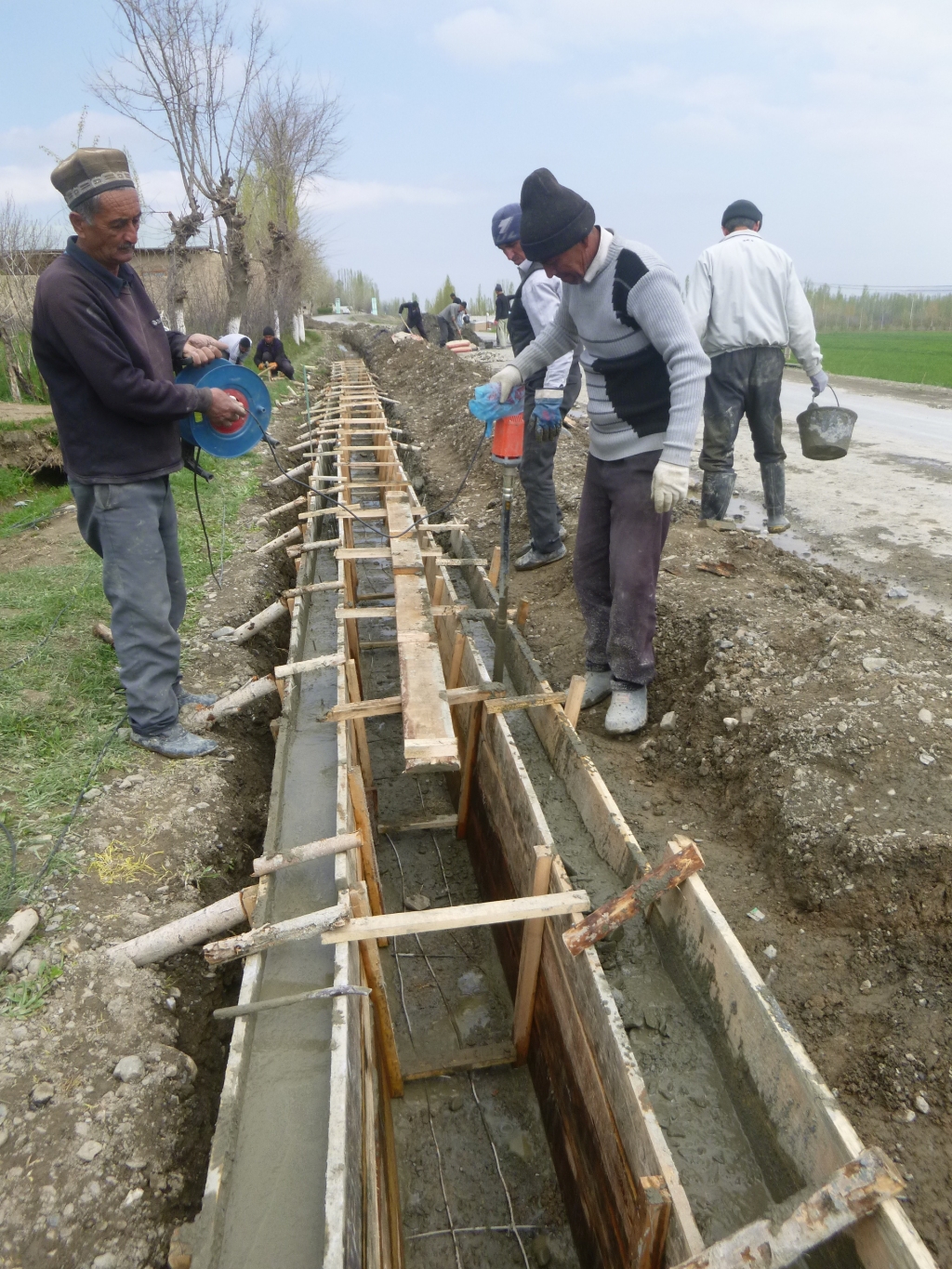
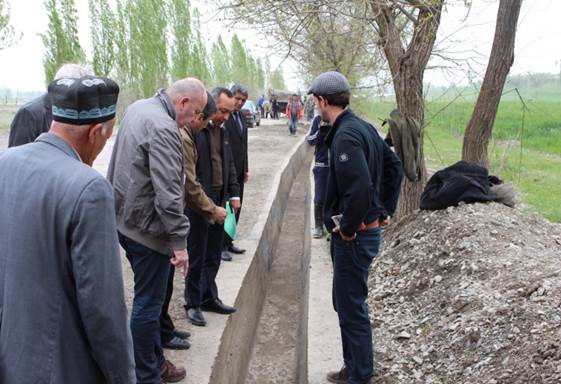
For the lining of water delivery and distribution canals, the rehabilitation of associated structures and the proofing against disaster events the project conducted a participatory assessment and planning process in the local communities, but with involvement of the district water and irrigation management authorities. In the result of this process key sections for lining and repair were selected and the project further assisted with technical planning and assistance in form of purchase of materials. The communities would contribute about 28% to 39% of the overall costs, mainly in form of voluntary communal work, the so called hashar as well as in form of construction materials.
The community is also in charge of future operation and maintenance of the rehabilitated and disaster and climate proofed irrigation structures.
Photos of the Approach
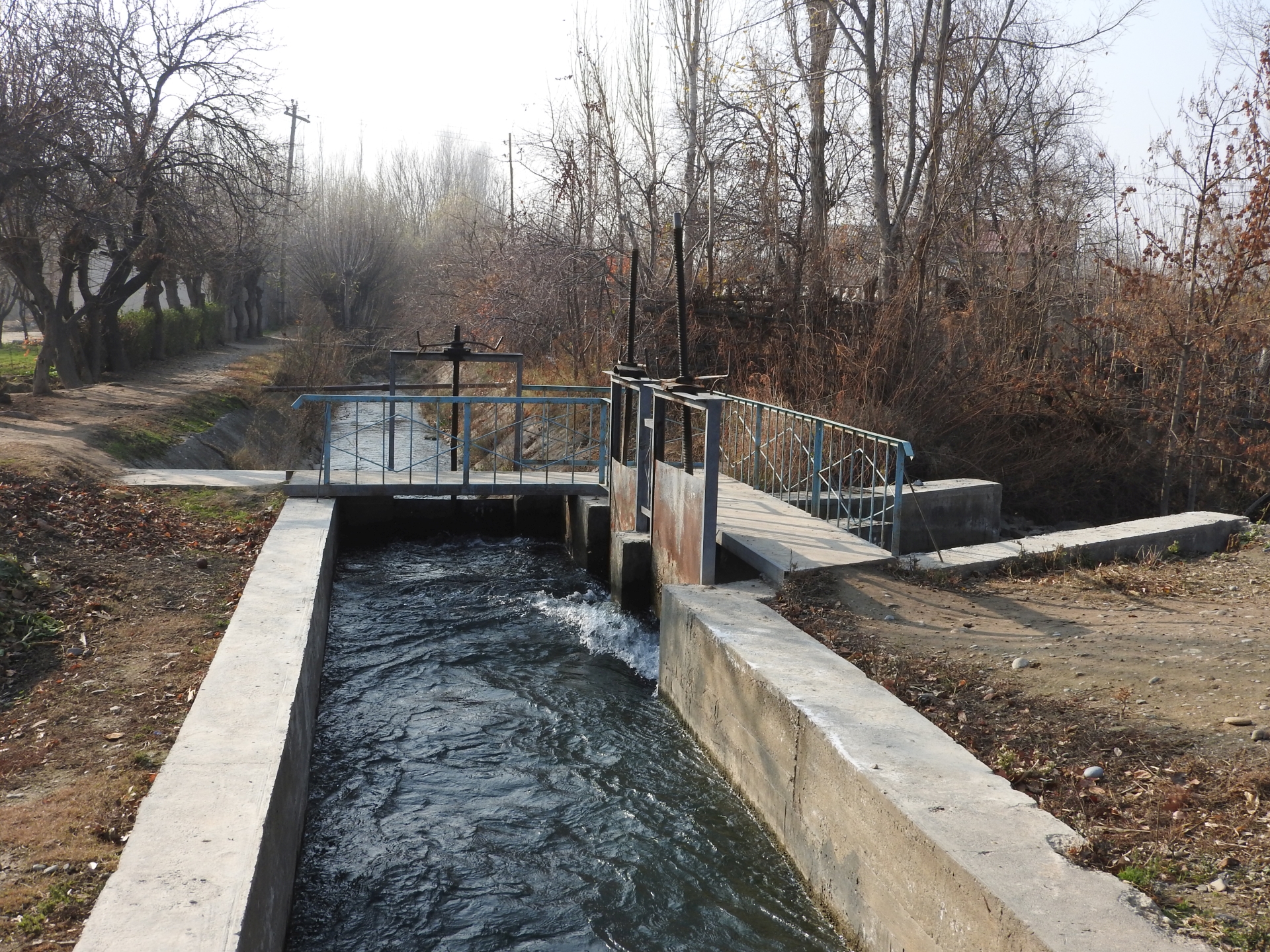
- 📍 Sughd region of Tajikistan, J. Rasulov district, Dehmoi village
- 📷 Stefan Michel
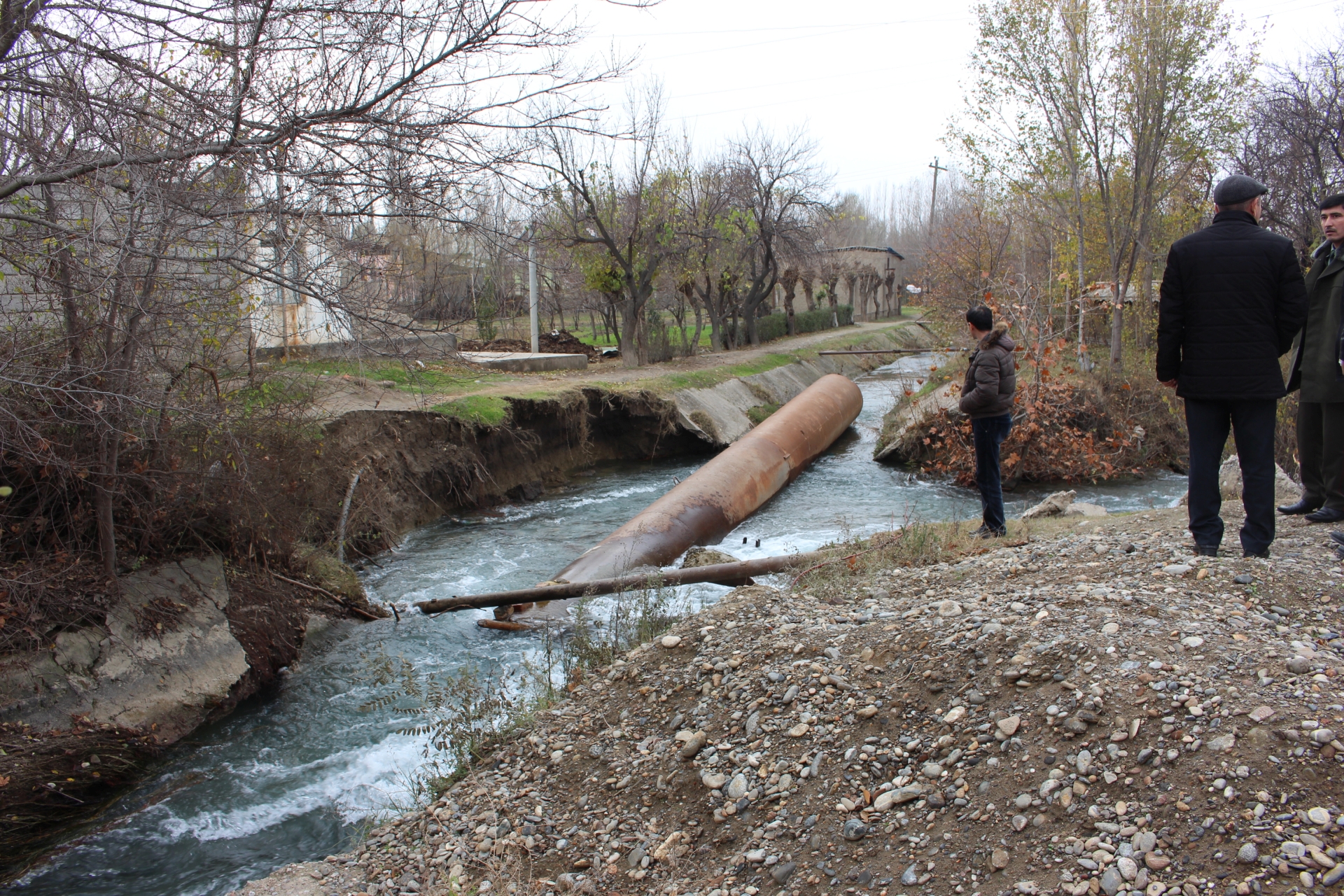
- 📍 Sughd region of Tajikistan, J. Rasulov district, Dehmoi village
- 📷 Nodir Muhidinov
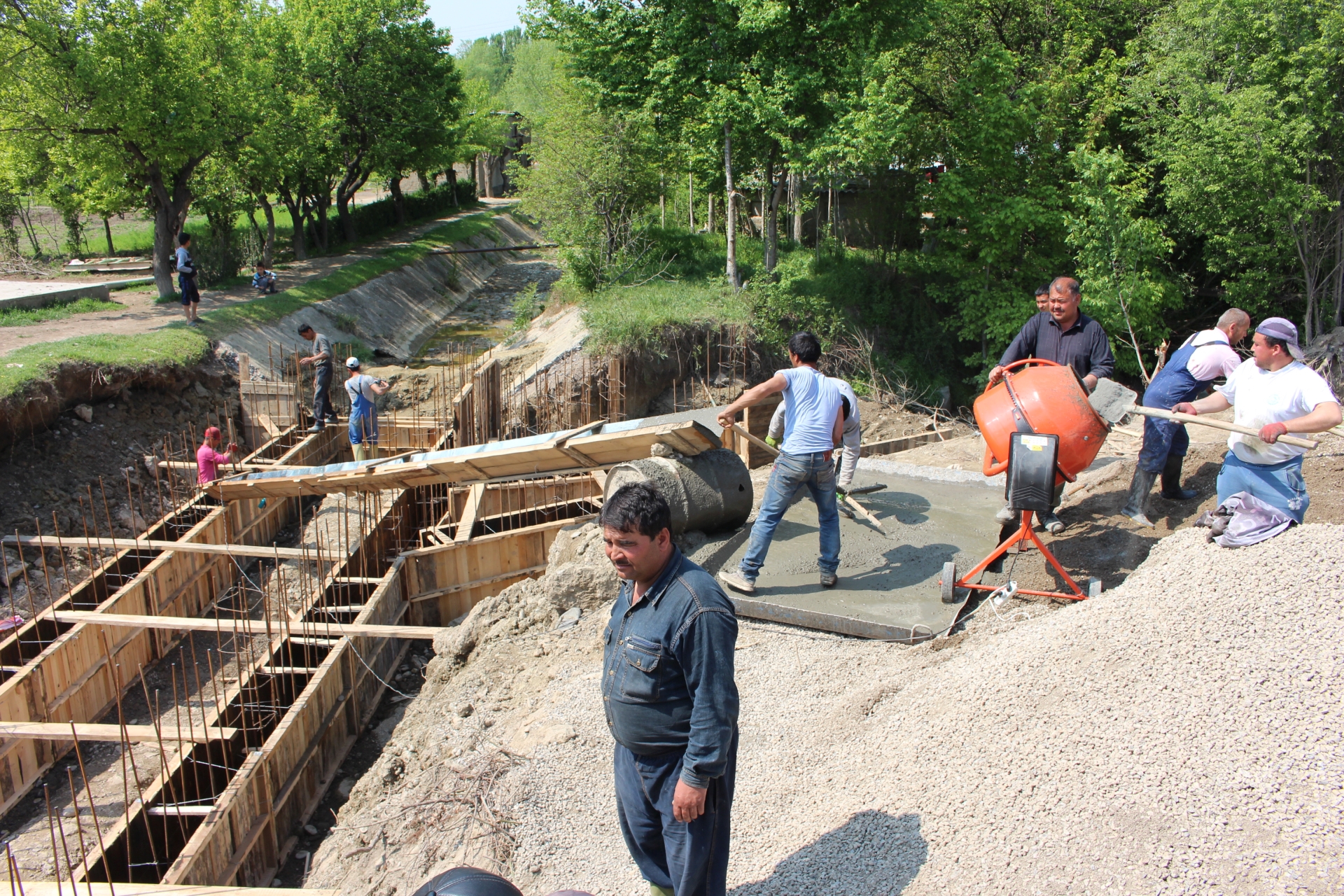
- 📍 Sughd region of Tajikistan, J. Rasulov district, Dehmoi village
- 🗓 2016-11-04
- 📷 Nodir Muhidinov
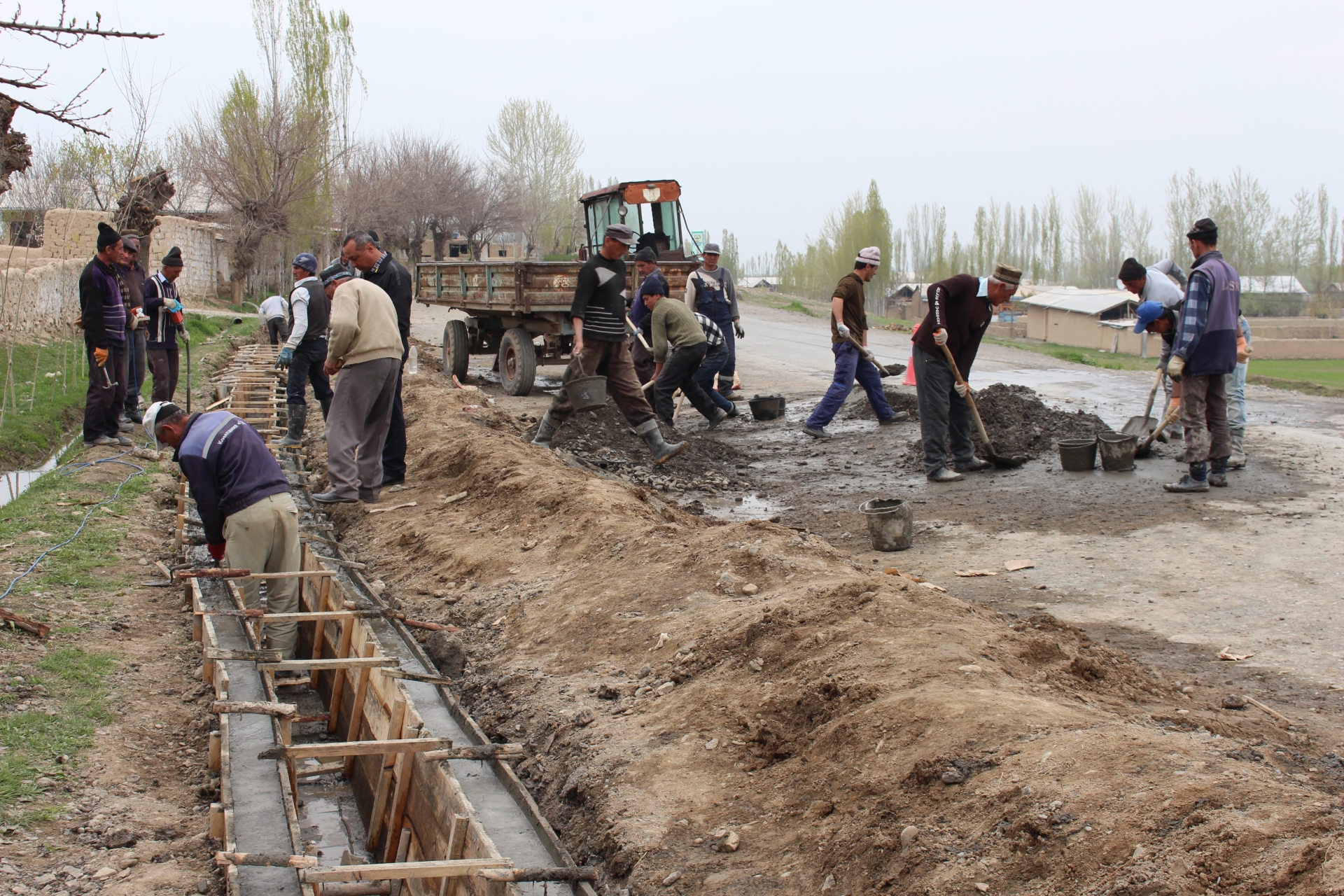
- 📍 Sughd region, Shahriston district, Sughdiyon village
- 🗓 2016-11-04
- 📷 Nodir Muhidinov
- 📍 Sughd region, Shahriston district, Sughdiyon village
- 🗓 2016-09-04
- 📷 Nodir Muhidinov
- 📍 Sughd region, Shahriston district, Sughdiyon village
- 🗓 2016-01-06
- 📷 Nodir Muhidinov