
Naula Management and Conservation
Type: Approaches
Creation: 2019-07-27 15:28 Updated: 2021-06-27 15:56
Compilers: Jaclyn Bandy
Reviewers: Hanspeter Liniger
Country/ region/ locations where the Approach has been applied
- Country: India
- Region/ State/ Province: Uttarakhand
- Further specification of location (e.g. municipality, town, etc.), if relevant: Digtoli, Pithoragarh Bloc
- Map: View Map
Description of the SLM Approach
Short description of the Approach
Naulas are shallow, four-sided stepped wells designed to collect water from subterranean seepages or springs and are used to meet domestic water needs by the local communities. Naula management and conservation encompasses a range of activities that preserve their structure and function.
Detailed description of the Approach
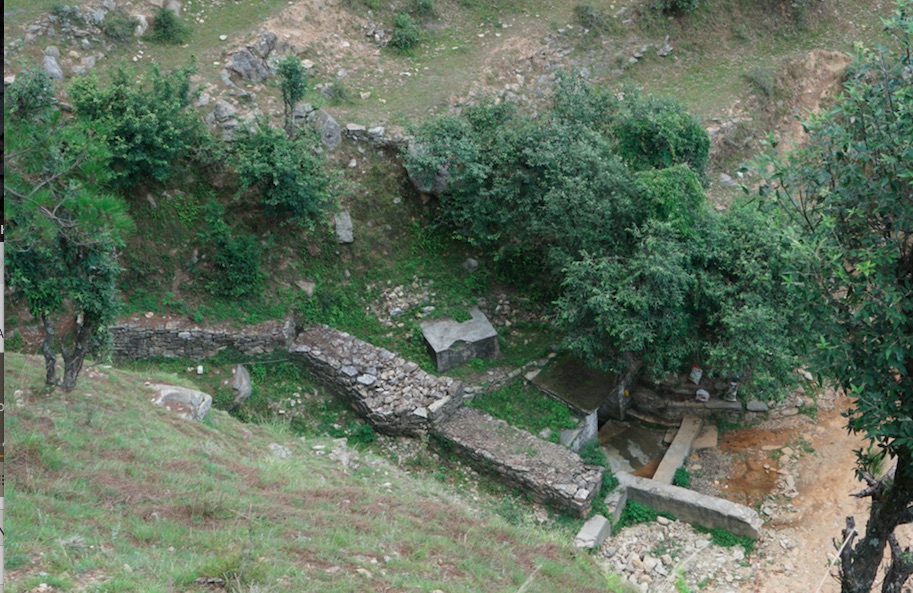
Naulas are imperative sources of natural seepage of drinking water and are considered the most important hydraulic structures to the villages in hill regions of Uttarakhand. They appear as a dry stone masonry structure, normally with a four-sided (rectangle or square) shape with stairs on all the sides and are commonly covered by stone slates and an erected wall on three sides. Since ancient times, water rituals are practiced within the communities and the water from these naulas have idols of various deities like the sun, moon, Earth, Vishnu, Ganesh etc. The main motive of keeping idols of gods and goddesses tied to the naulas is to preserve these structures from pollution and other harmful anthropogenic activities.
The efforts to preserve naulas include; building structural or vegetative barriers on the slope above to prevent physical damage, pollution from runoff and other erosive processes, establishing barriers of entry to deter wildlife and insects, initiating cleaning routines in the villages (scrubbing/disinfecting and clearing debris or weeds around the naulas).
The villages of Nakina, Digtoli, and Bhurmuni have carried out their own traditional measures to conserve these sacred structures and the water that flows into them. Sacred tree species like the peepal and banyan trees have been planted near naulas to signify its sanctity and to protect and shade it. To ensure the potability of a naula's water, biweekly cleaning regimes are undertaken. Structural measures such as check walls, check dams, and water channels have been made above the naulas. Additionally, wildlife entry is inhibited with cloth drapes that cover the naula's entrance, and some villages have established a protective enclosure around the naula.
Routine Naula conservation activities are taken up by those that collect the water, which include mainly the women and children. There is a water queue system in Nakina Village, in which people receive a specific time slot to take the water from the naula. This helps with keeping track of water use and promotes equitable use of water in the village. Other arduous tasks such as constructing the structural technologies include male participation. Monthly or bimonthly community meetings and daily checks on the Naulas help enforce the approach objectives. The villagers are are the sole stakeholders and take up full ownership and water user rights.
Generally, the older community members in these villages stress the need of Naula conservation and management to a greater degree. Members of the younger generation are less concerned and do not exhibit the same level of sensitivity, although they are aware of their importance to the community. The future effectiveness of the approach will depend on village participation and the level of dependency on the Naula for water during the dry season. With the drying of springs and increased use of pipe-schemes (though unreliable), external sources of water may replace this indigenous water harvesting technique.
Photos of the Approach
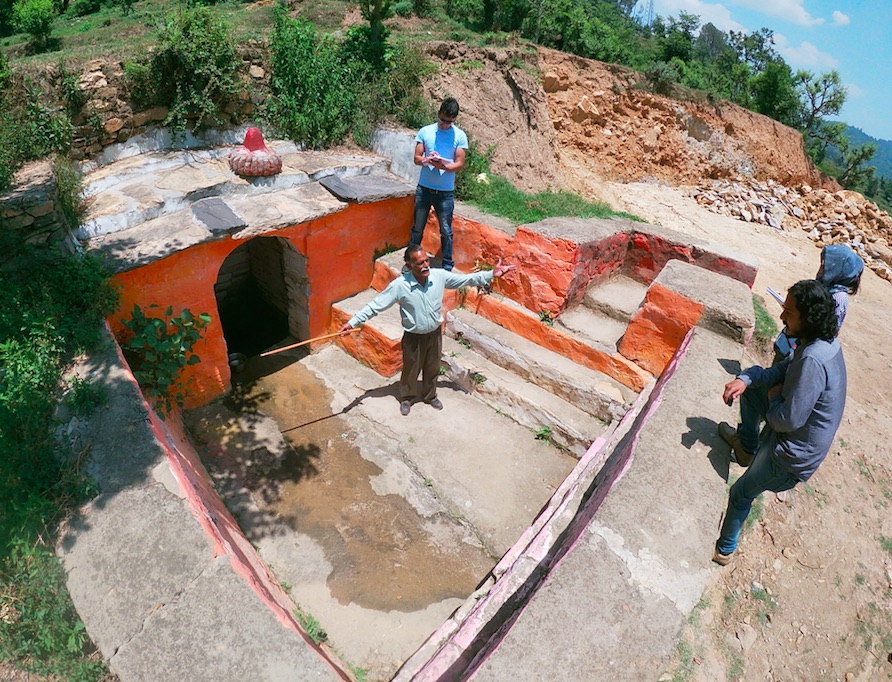
- 📍 Naikina, Pithoragarh Bloc, Uttarakhand, India
- 📷 Jaclyn Bandy
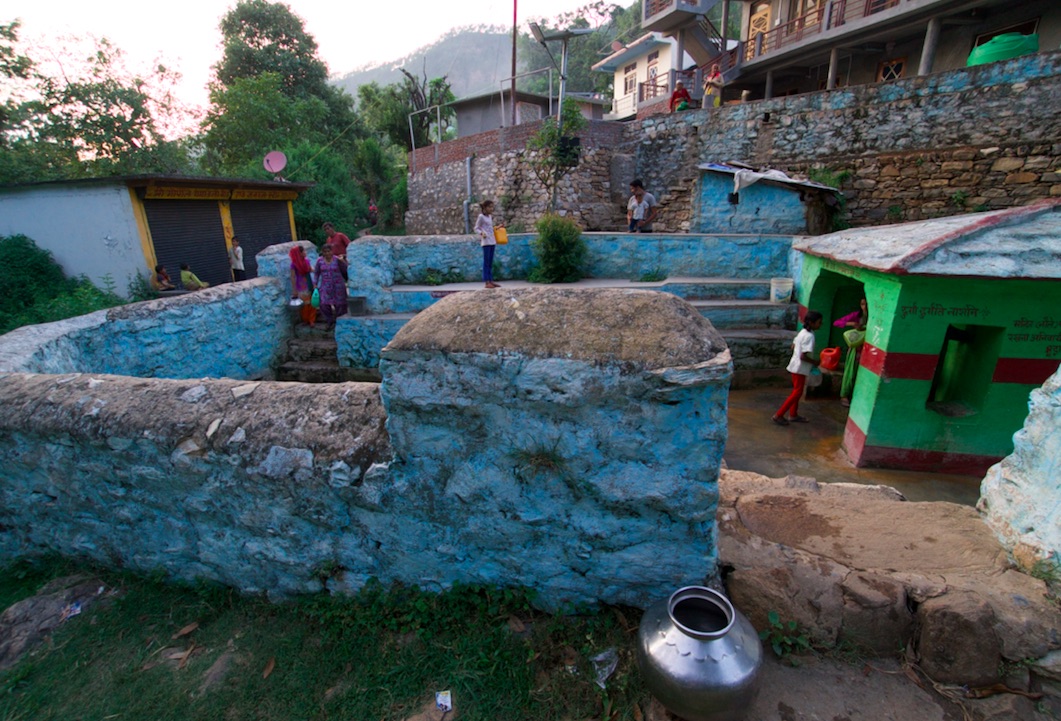
- 📍 Bhurimuni Village, Pithoragarh Bloc, Uttarakhand
- 📷 Hanspeter Liniger
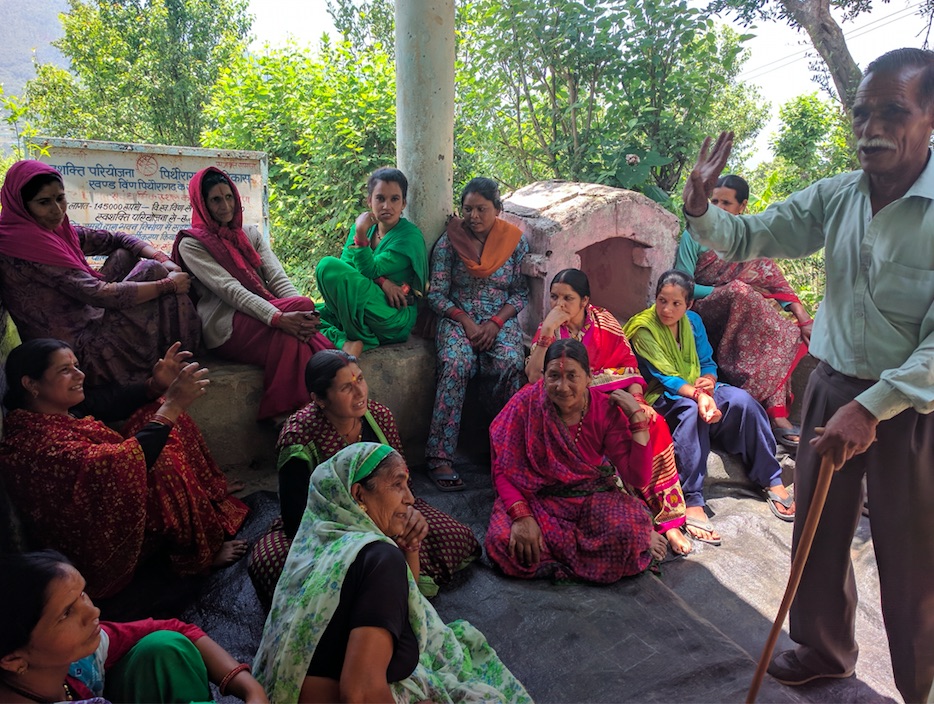
- 📍 Nakina Village, Pithoragarh Bloc, Uttarakhand India
- 📷 Jaclyn Bandy
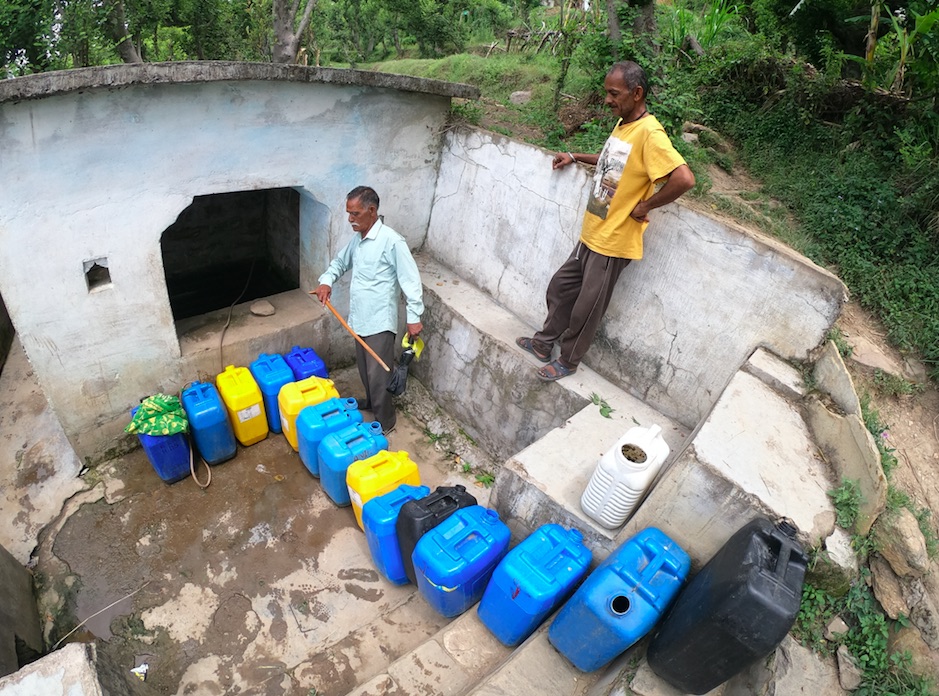
- 📍 Nakina Village
- 📷 Hanspeter Liniger
- 📍 Nakina Village
- 📷 Hanspeter Liniger