
Community-based approach in Erosion Control
Type: Approaches
Creation: 2019-09-10 11:54 Updated: 2020-08-31 19:36
Compilers: Hanns Kirchmeir
Reviewers: Rima Mekdaschi Studer
Country/ region/ locations where the Approach has been applied
- Country: Azerbaijan
- Region/ State/ Province: Ehen village
- Further specification of location (e.g. municipality, town, etc.), if relevant: DIistrict Ismayilli
- Map: View Map
Description of the SLM Approach
Short description of the Approach
The unsustainable use of pastures and forest areas leads to erosion, degradation, desertification and loss of biodiversity in high mountain areas of the South Caucasus. In the village Ehen in the Ismayilli district in Azerbaijan, a community-based approach for erosion control was developed in a participative way. Together with village stakeholders, different measures were developed to stop erosive processes, flooding and to rehabilitate vegetation cover.
Detailed description of the Approach
The Ministry of Ecology and Natural Resources of Azerbaijan togehter witht the Deutsche Gesellschaft fuer Zusammenarbeit (GIZ) selected integrated erosion control as a priority in their cooperation and the district Ismayilli was choosen for the implementation of pilot activities.
The district Ismayilli covers an area of about 2.158 km². Approximately 31% of the territory is covered with forest. Pasture lands on slopes are particularly exposed to vegetation degradation due to overgrazing. The loss of a closed vegetation cover on mountain slopes can lead to severe soil erosion due to surface water runoff. The project team together with the district administration decided to set the focus on the village Ehen near Lahic.
The approach chosen for integrated erosion control in Ehen was a community-based approach. Together with stakeholders, the most severe erosion sites were identified, and a list of priorities was developed. In cooperation with international experts, different technologies and practices were developed to stop erosion processes. Several preconditions for the development of a number of practices were set: The technologies should be cost-effective and affordable for the villagers, and the villagers should be able to use them without the use of external technicians. In order to achieve this, particular emphasis was placed on the application of bio-engineering measures. Measures were applied on degraded pasture lands and erosion gullies in the pilot community at the south slope of the Great Caucasus.
As a first step, the implementation sites were determined through joint field visits by village representatives and experts ('Screening mission'). In the first face the GIZ-team and the SLM-experts have been introduced to the village community. In this phase, the national GIZ project coordinator had the major role to create a basis of respect and trust to enable a positive athomisphere for an open minded discussion. The driving factors of deforestation and overgrazing were discussed in the field, and the potential intervention sites were marked with colour spray and wooden poles in the field. The marking in the field instead of only working with printed maps was very important for the recognition, discussion and acceptance of the sites by all villagers. There was a gap of several weeks between marking and implementation, which provided enough time for internal discussion about the site selection and the adaptation of boundaries.
Nine degraded pastures and forest land sites were selected by the village stakeholders togehter witht the SLM specialists. Four sites are located above the village with the risk of increasing rockfall and flooding by surface water runoff. Five sites are located below the village and were selected to ensure the productivity of the land. For providing tree seedlings, a local tree nursery was established near the school (10th site). One site was selected to combine effects by establishing a hazelnut plantation to stop erosion, increase vegetation cover and provide an income generation opportunity.
Two sites with gully erosion were selected: a site above the village with the risk of flooding into the village and a site below the village along the road with a high risk of road damage if the deepening process continues (detailed instructions on measures can be found at the internet links attached).
Regular meetings took place between the traditional administrative community board, the GIZ-project team and the SLM experts to discuss the implementation process and to evaluate together the results. The availability of local resources was taken into consideration to adapt technologies to fit the local needs. New ideas, localy available materials and technologies have beein integrated into the implementation process by the local stakeholders.
The implementation of the measures was done mainly by the local village people and local experts. The SLM experts provided 'hands-on-training' and all materials that were not available in the village as well external experts were financed by the project.
Another essential aspect is the sustainable use of well-managed meadows by different stakeholders (beekeepers, wild herb collectors, orchard owners and others) in the community. This includes the agreement (rule) of the community to share the protected pastures and to consider the needs of all interest groups. The decission of the profit sharing is taken by the taditional administrative community board. A further factor was the establishment of a tree nursery, which led to an increased motivation to plant additional trees (especially fruit trees) in the community.
Photos of the Approach
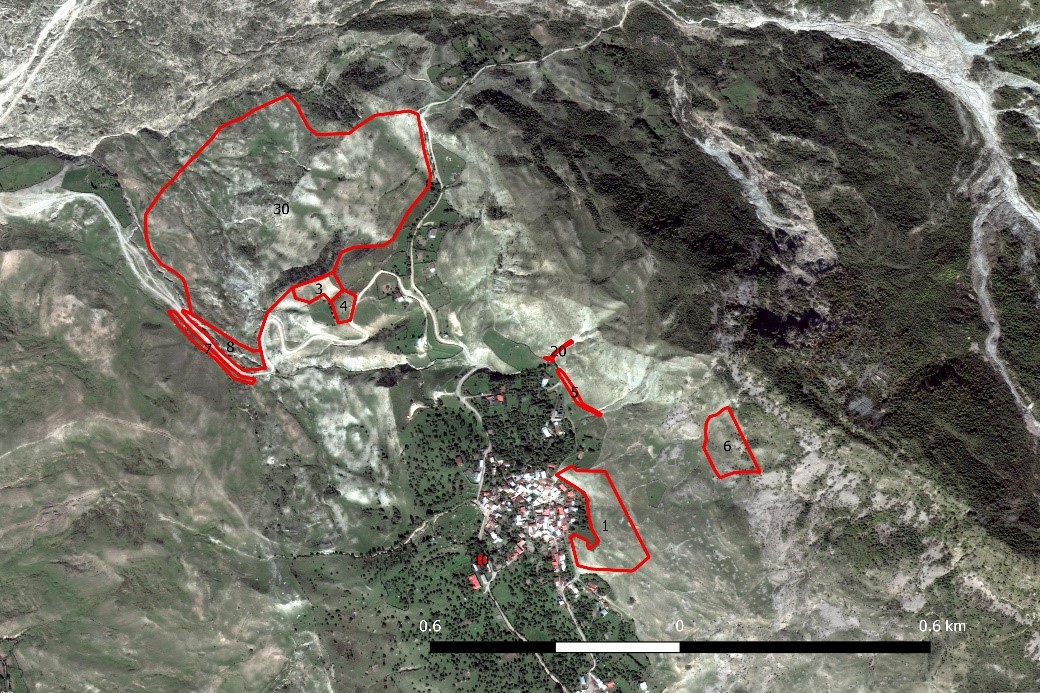
- 📍 Village of Ehen, Azerbaijan
- 🗓 2015-01-05
- 📷 Hanns Kirchmeir
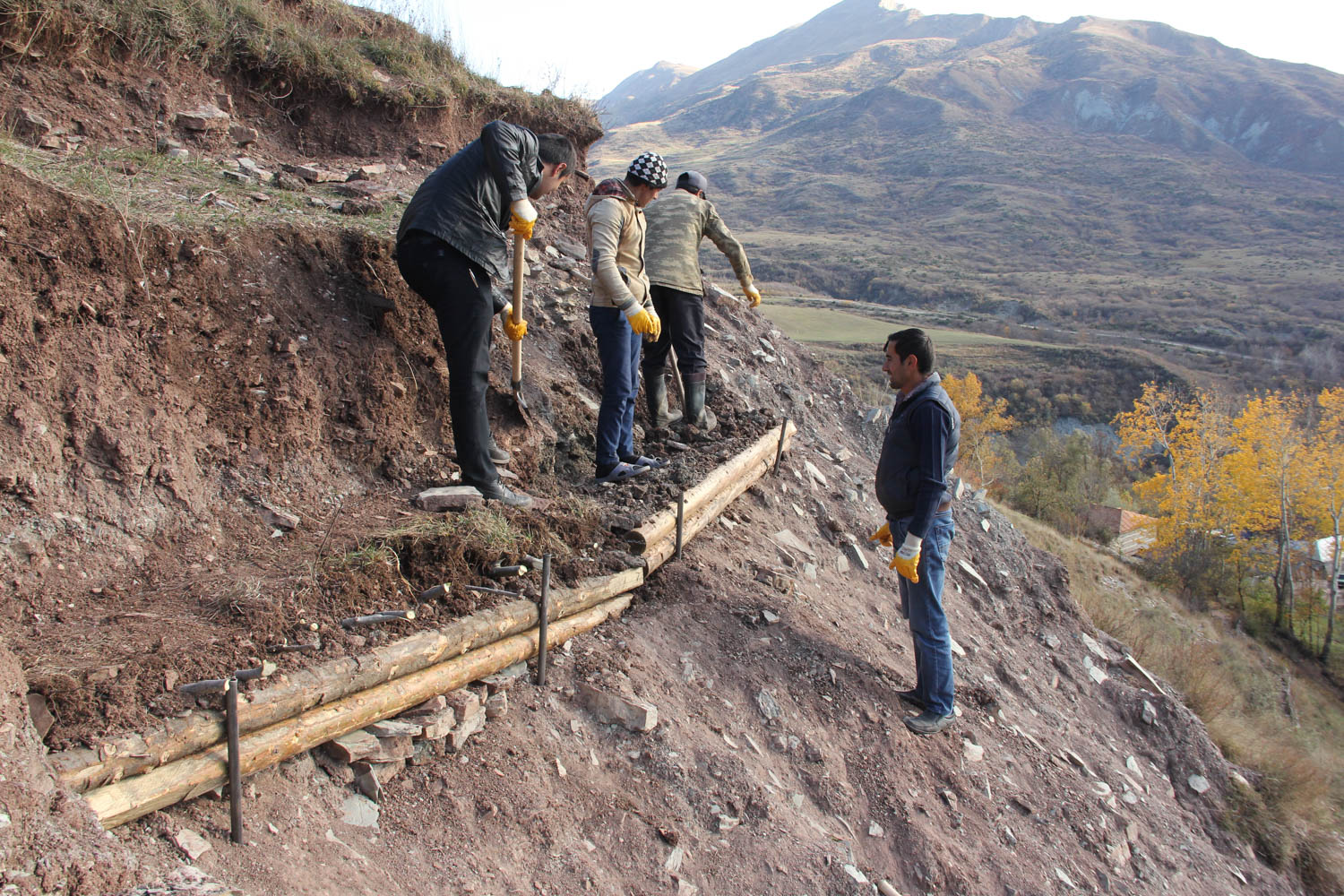
- 📍 Goydan village, Azerbaijan
- 🗓 2017-01-11
- 📷 Hanns Kirchmeir
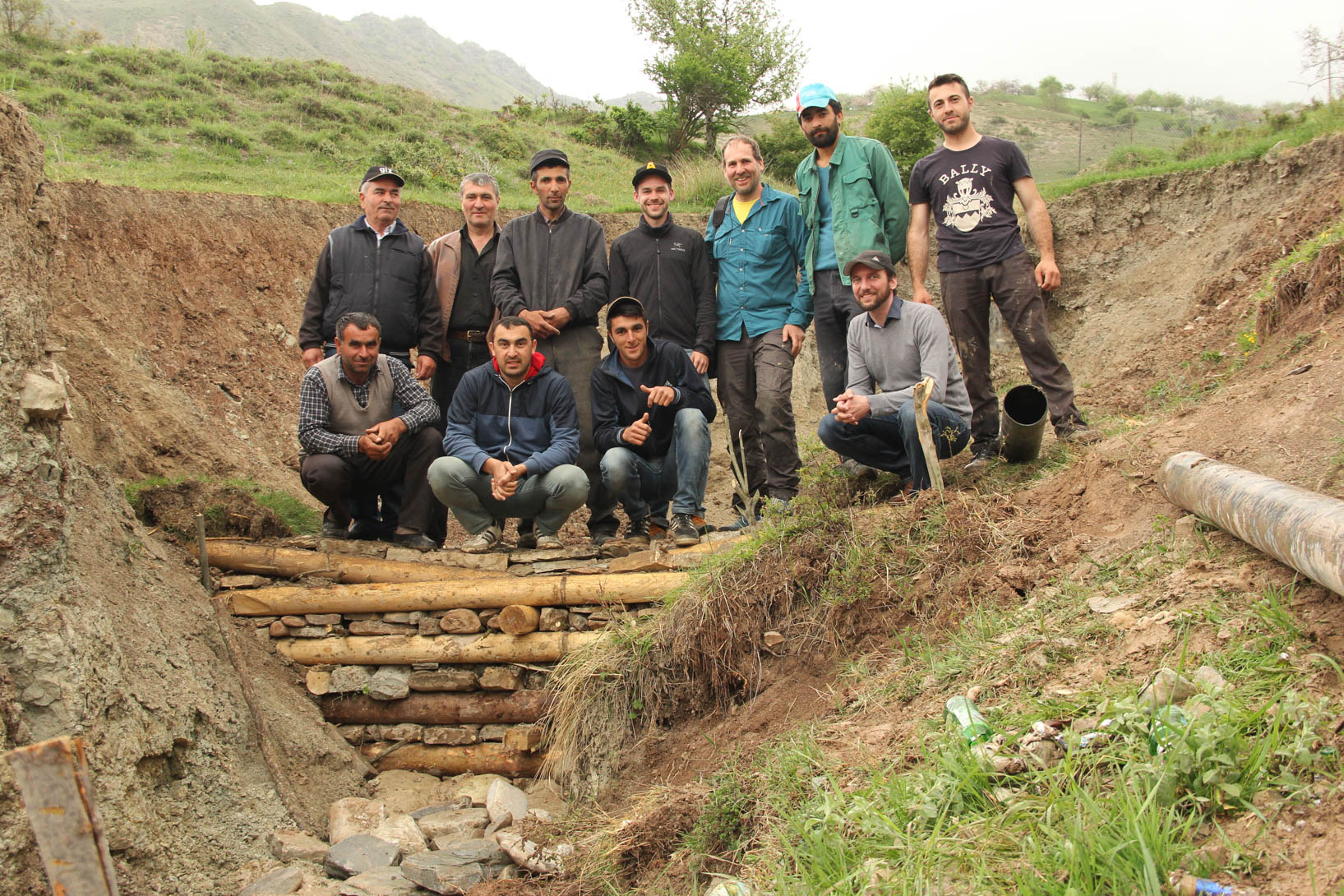
- 📍 Ehen site 8, Azerbaijan
- 🗓 2017-11-05
- 📷 Hanns Kirchmeir
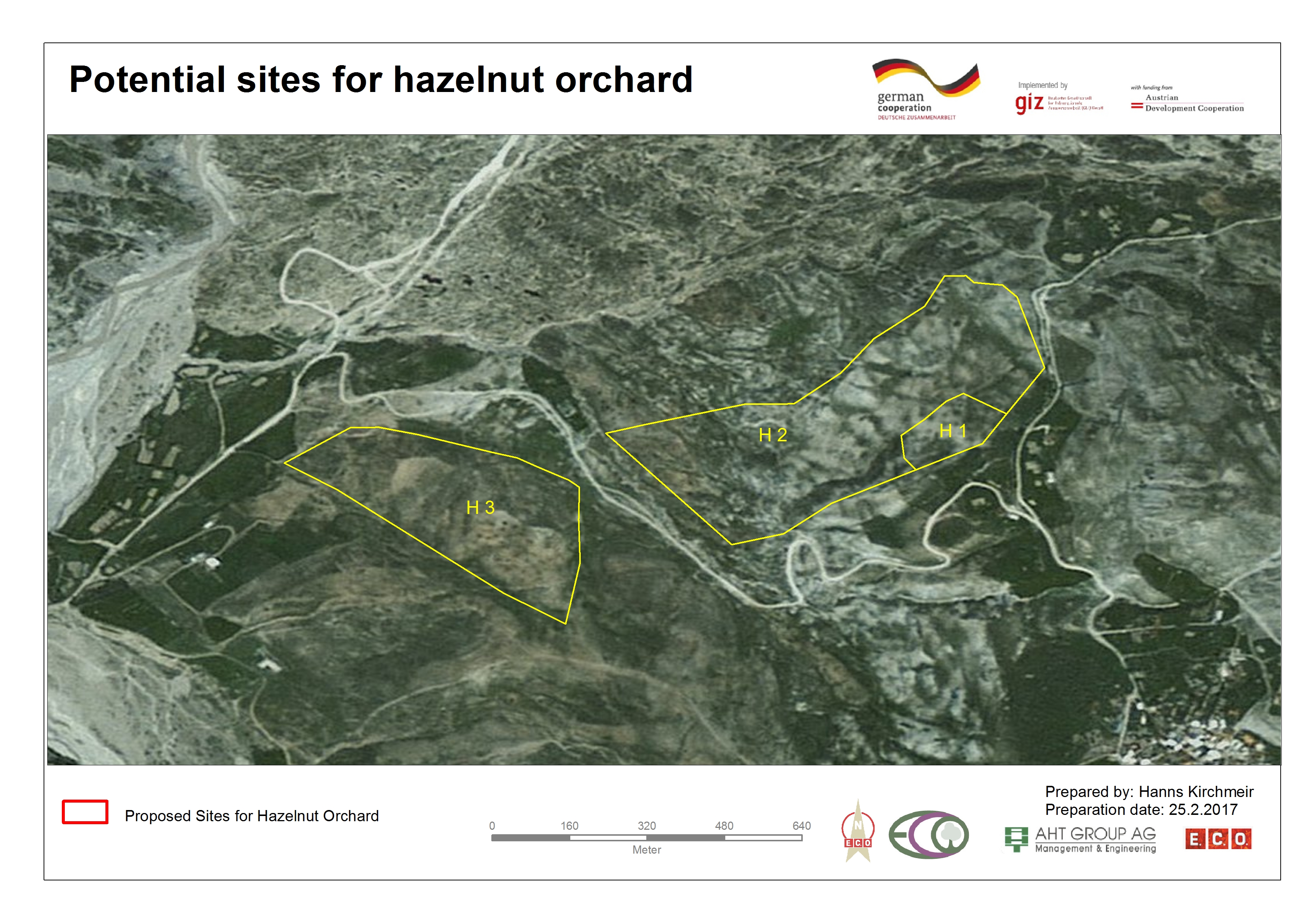
- 📍 Ehen village, Azerbaijan
- 🗓 2017-01-09
- 📷 Hanns Kirchmeir