
Halting seasonal drought in Barind through efficient water resource management
Type: Approaches
Creation: 2021-12-12 02:21 Updated: 2022-07-04 11:11
Compilers: Jalal Uddin Md. Shoaib
Reviewers: Rima Mekdaschi Studer, William Critchley
Country/ region/ locations where the Approach has been applied
- Country: Bangladesh
- Region/ State/ Province: Rajshahi
- Map: View Map
Description of the SLM Approach
Short description of the Approach
Introduction of sustainable water usage to prevent impacts of seasonal droughts in Barind region, Bangladesh
Detailed description of the Approach
Barind is a drought-affected area of Bangladesh. It covers about 7,770 sq. km, that is 41% of the North Western part of Bangladesh, spreading over 16 districts of Rajshahi and Rangpur Division. It is one of the driest areas in Bangladesh with comparatively high temperatures - though cooler in the wet season from mid-June to October. Rainfall in the area varies from about 1500 mm to 2000 mm per annum. Temperature ranges from 4 degree Celsius to 44 degree Celsius. The area is at a comparatively higher elevation than the adjoining floodplains. There are two main terrace levels - one at 40m and the other between 19.8 and 22.9 m above mean sea level. The total cultivable area of Barind is about 583,000 ha, of which 34% is loamy, 10% is sandy, and 49% is clay: the remaining 7% is of other composition.
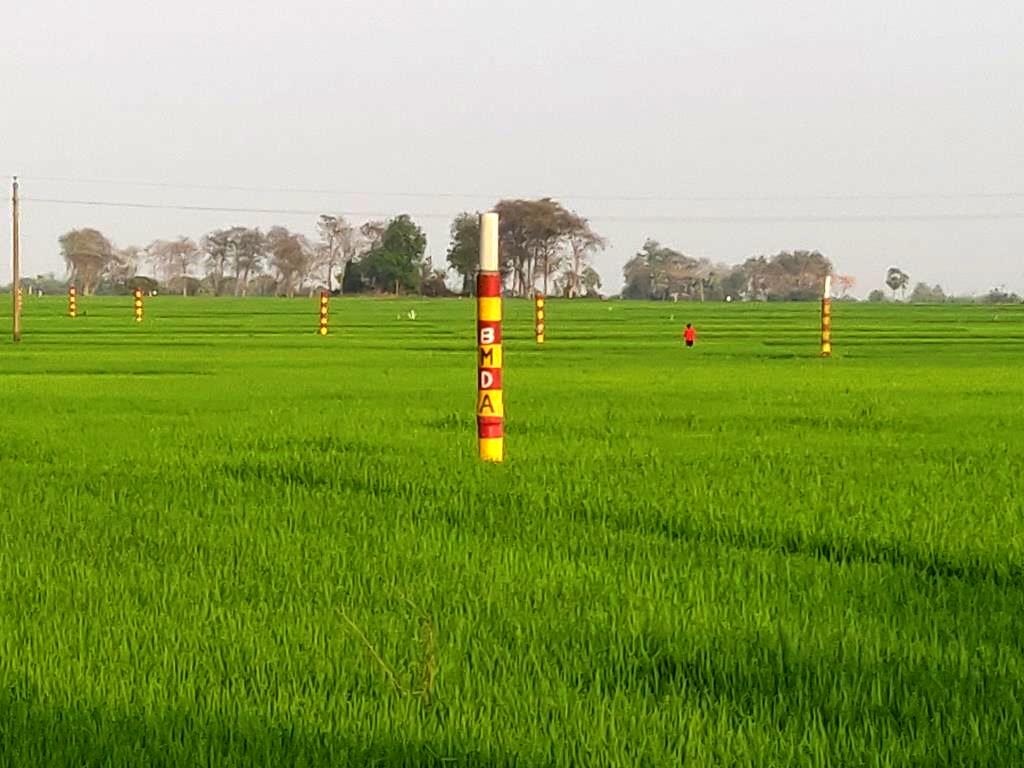
In the 1980s, the area was predominantly single cropped, and yields were poor and subject to seasonal drought, from late February to early May (up to the onset of pre-monsoon). No crops could be grown during the "rabi" season (November to May). The impacts of drought were severe and affected food insecurity and livelihoods. To address the situation, the Bangladesh Agricultural Development Corporation (BADC) under the Ministry of Agriculture (MoA) initiated two projects. One in 1985: The Barind Integrated Area Development Project and subsequently in 1992, the Barind Multipurpose Development Authority (BMDA) as a separate institutional entity. Both the projects focused on a new approach to water extraction, distribution and management practices at institutional level. Deep tubewells were installed and maintained by BMDA, rather than privately (which is often practiced in other parts of the country).
Deep tubewells (DTWs) were installed to abstract water from 15-20 meters, and water was initially distributed through open channels. Later, these were fitted with smart card–operated electric/solar pumps to develop a drought-resilient irrigation system Both projects have helped the Barind region reduce poverty and achieve self-sufficiency in rice. Without supplementary irrigation, there would be crop failure.
Since it was established, BMDA has focused on halting seasonal drought in Barind, and increased cropping intensity by providing irrigation through 15,800 DTWs in different districts. That reduced the cost of irrigation water for one bigha (0.1ha) from about $40 to <$20. On the other hand initiation of smart cards and buried pipelines for water distribution increased the efficiency of water use and facilitated revenue collection by the BMDA. However abstraction of groundwater (GW) for irrigation triggered another issue - drawdown of GW in the area, which even led to abandoning shallow tubewells (STW) used for drinking water.
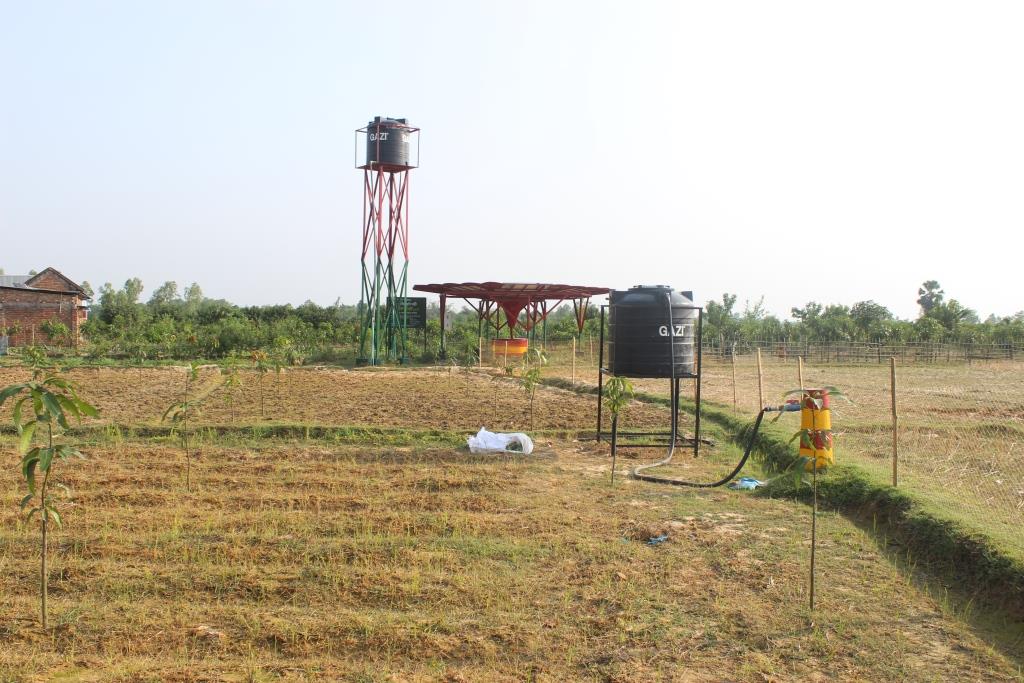
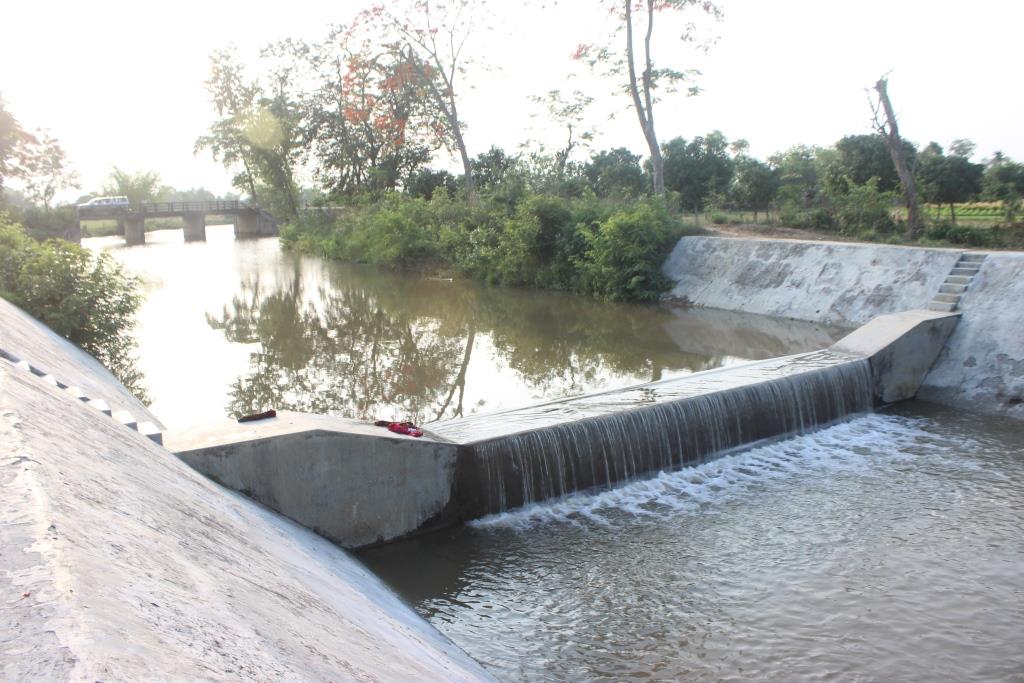
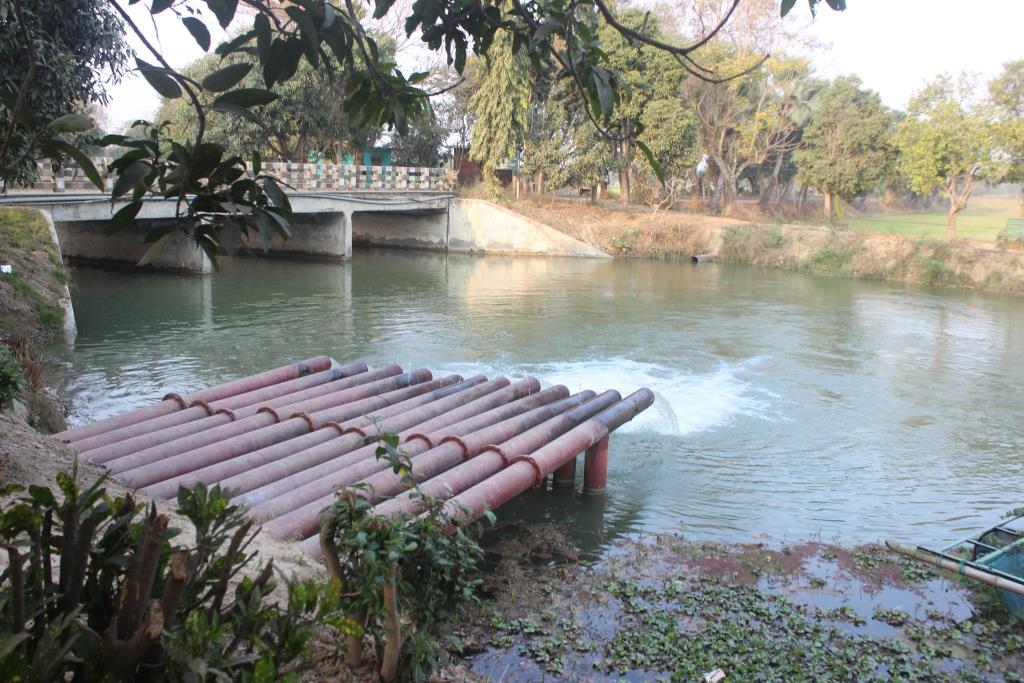
In 2004 BMDA initiated another project, to lift surface water from the Padma river to ponds/canals/rivers in the main land after re-excavation. These sources are used as reservoirs and at the same time contribute to GW recharge generally. At the same time, usage of solar power instead of electricity is another means of reducing the cost of pumping water.
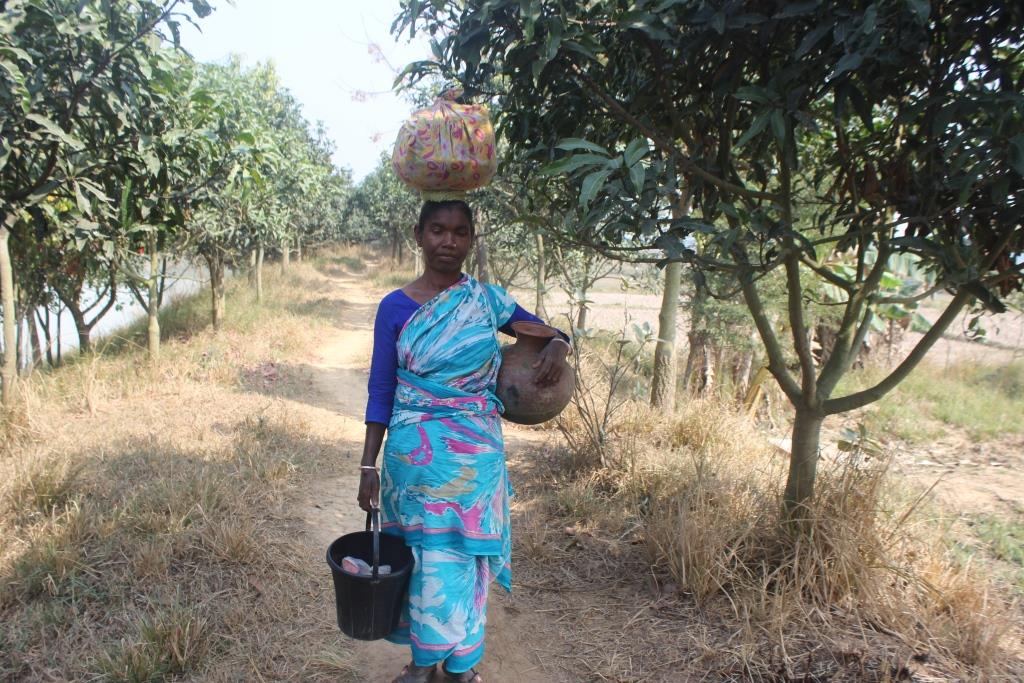
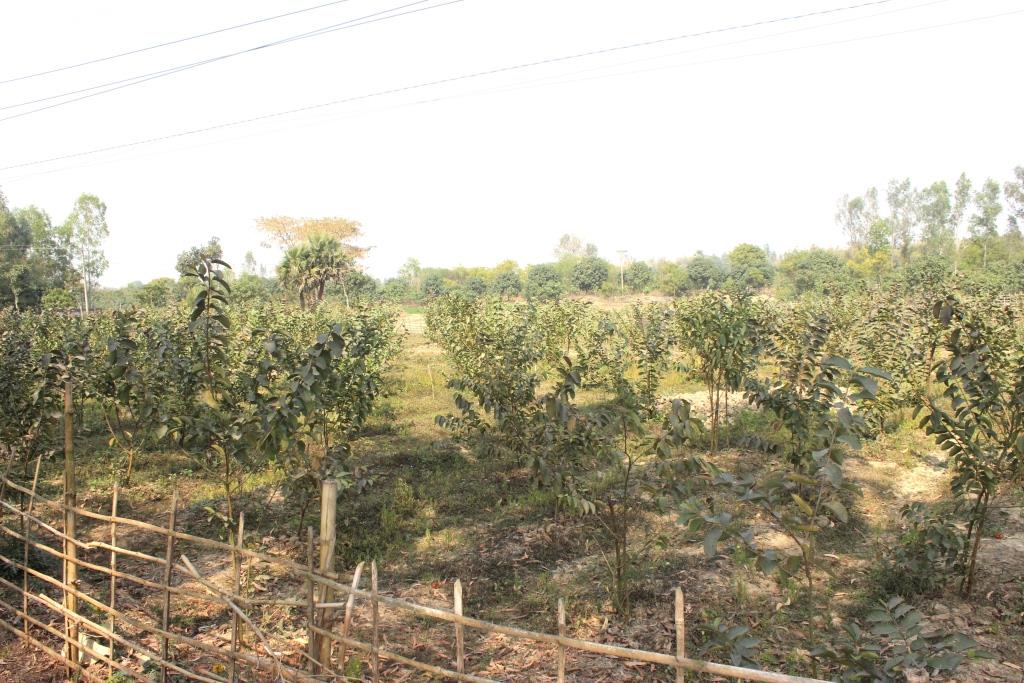
BMDA again installed 490 dugwells where STW or DTW could not be constructed. These dug wells are used for safe drinking water and small-scale irrigation. These measures have meant that, at present, the area avoids seasonal drought in most of the locations. Potatoes, "boro" and transplanted "aman" occupy more than 50% of the cultivable land. In addition, provision of safe drinking water and improved communications have boosted the local economy. The approach embraces various technologies including (1) tapping river water (from the Ganges, Mahananda and Tangan rivers0; (2) storing water in creeks or ponds; (3) distribution to farm land through subsurface irrigation pipes (buried pipelines); (4) use of low lift pumps (LLP) with solar energy support ; (5) prepaid water metering - usage of smart cards; (6) conversion of derelict water bodies to become effective water reservoirs ; (7) dug wells with solar power for water abstraction; (8) orchard plantations where both surface or groundwater are limited; (9) plantations of trees and horticultural crops along road and channels to change the land cover; (10) usage of compost to improve soil health. All of these contribute to land degradation neutrality (LDN) in one way or another.
Finally BMDA's approach is to boost productivity in the drought affected Barind through its projects, and encouraged communities to adopt diversified land use: previously much land remained fallow during most of the year outside the monsoon. Institutions like Department of Agricultural Extension (DAE) and many NGOs promote a variety of seasonal, annual and perennial crops in the area, the use of balanced fertilizer, plantation of high density fruit crops. The impact of the BMDA approach has greatly changed the drought-affected Barind.
Photos of the Approach
- 📍 Godagari, Rajshahi
- 🗓 2020-09-04
- 📷 ShoaibJU
- 📍 Sapahar, Natore
- 🗓 2020-09-04
- 📷 ShoaibJU
- 📍 Godagari, Rajshahi
- 🗓 2020-10-04
- 📷 ShoaibJU
- 🗓 2020-10-04
- 📍 Porsha, Naogah
- 🗓 2020-08-12
- 📷 ShoaibJU
- 📍 Gomastapur, Naogah
- 🗓 2020-09-04
- 📷 ShoaibJU
- 📍 Godagari, Rajshahi
- 🗓 2020-10-04
- 📷 Shoaib