
Pasture User Union
Type: Approaches
Creation: 2016-10-13 06:43 Updated: 2017-10-30 15:55
Compilers: Boris Orlowsky
Reviewers: Alvin Chandra, Alexandra Gavilano
Country/ region/ locations where the Approach has been applied
- Country: Tajikistan
- Region/ State/ Province: Khatlon
- Further specification of location (e.g. municipality, town, etc.), if relevant: Muminabad
- Map: View Map
Description of the SLM Approach
Short description of the Approach
Livestock holders at village level join a pasture user union to access different rights provided under the national law "About pastures" passed in 2013. Among others, the Paster User Unions (PUUs) are able to obtain onwership of a communal collective pasture land, have the right to collect fees to improve the pasture and balance livestock and available fodder amounts in the watershed areas.
Detailed description of the Approach
The Pasture User Union (PUU) is the legal entity at village-level to implement the law "About pastures" passed on 19th of March 2013.
All households of a village are represented by one female and one male representative in the union. At the general assembly, 11 people are selected as governing body of the union. The union is entitled to:
- receive a land certificate for communal collective daily pastures nearby the village as well as more distant summer pastures
- collect fees according to a system they can decide at their general assembly (in the study case the fees were based on heads of animals)
- can use collected fees to improve the pastures of the village
- can represent villager’s interests when it comes to land use conflicts related to pasture and livestock
The Pasture User Unions have the obligation to:
- pay taxes to the land use committee
- sustainably use their pasture land
Pasture User Unions were trained by SLM specialists from Caritas Switzerland on a series of technologies to improve their pasture land. Relevant technologies consist of rotational grazing, water points in pasture areas, calculation of bearing capacities, implementation of contour lines plantations etc. All these technologies aim at a sustainable use of the land, that result in increased vegetation cover, increased infiltration of water, and reduced erosion, degradation and mass movements/landslides.
As one of the only functioning structures at village-level, with access to resources, the pasture user unions take lead during disasters and emergencies. Pasture User Unions have for example evacuated animals during flood events in a collective manner. They have also organized a “Hashar” i.e. a collective voluntary work to clean the flood channels crossing their village. The longer term impact of pasture unions both at watershed level with improved pasure management and at village level with improved preparedness is yet difficult to assess.
Photos of the Approach
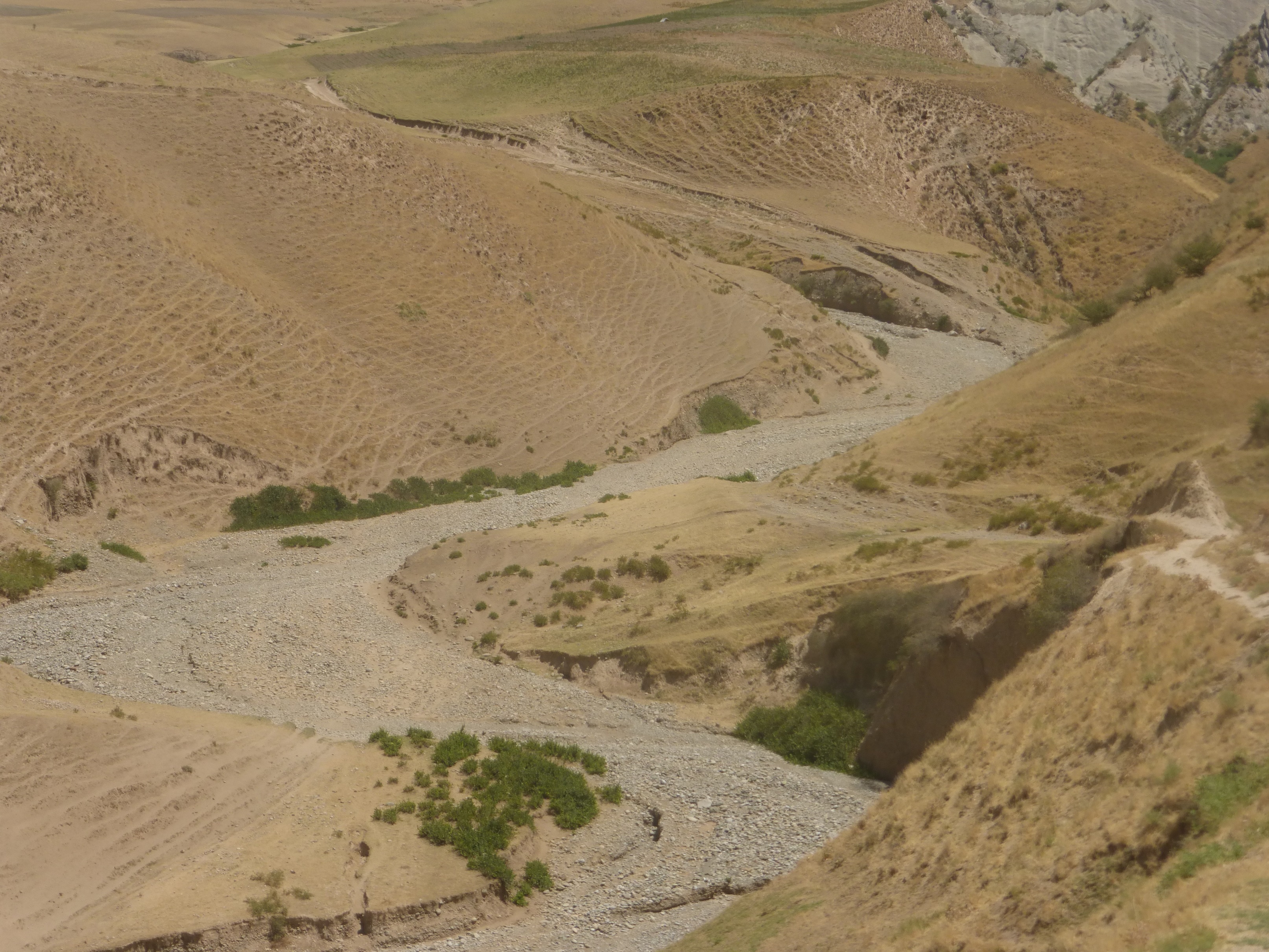
- 📍 Shurabad district
- 📷 Fazila Beknazarova
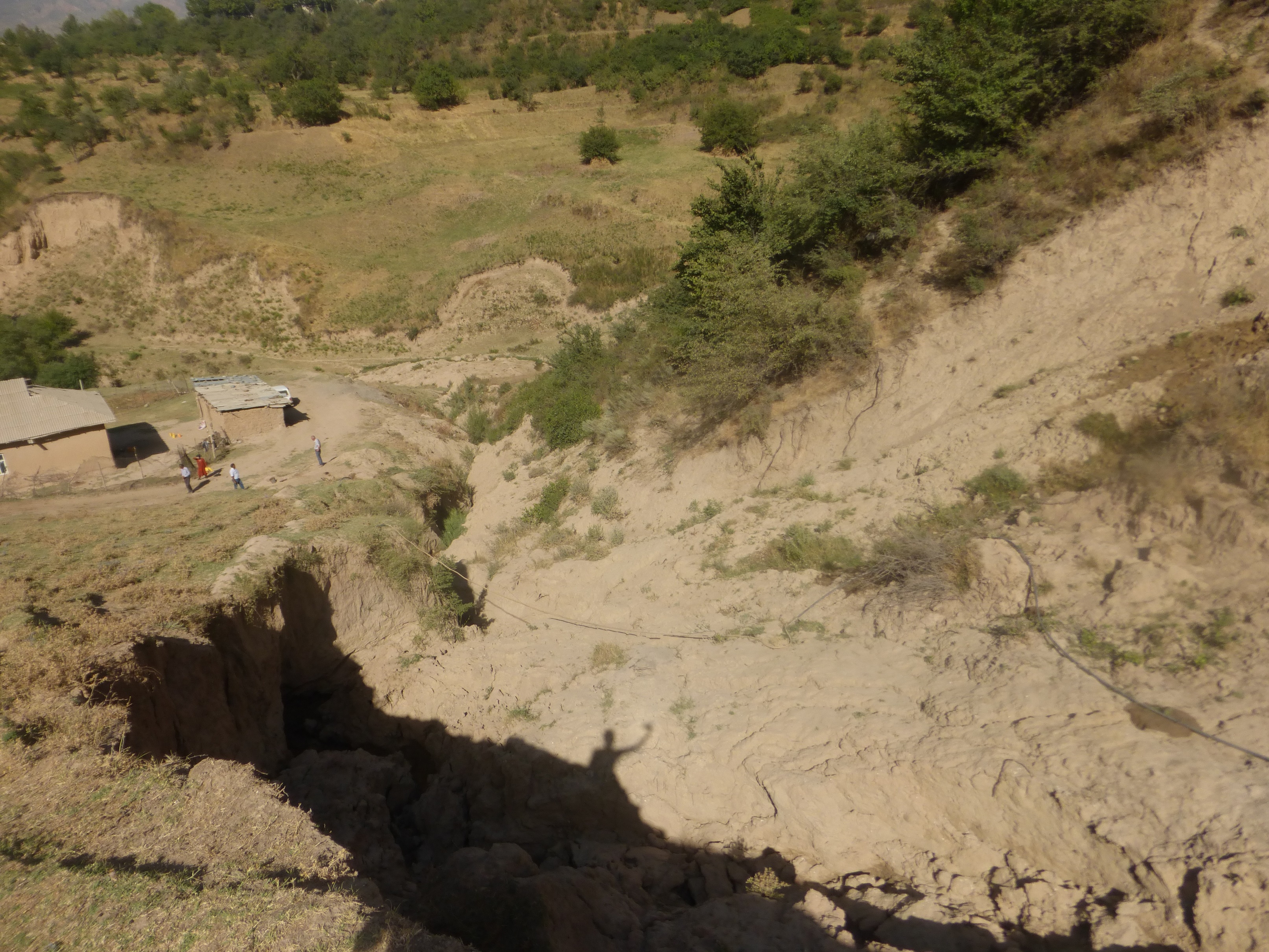
- 📍 Muminabad Disrict
- 📷 Fazila Beknazarova
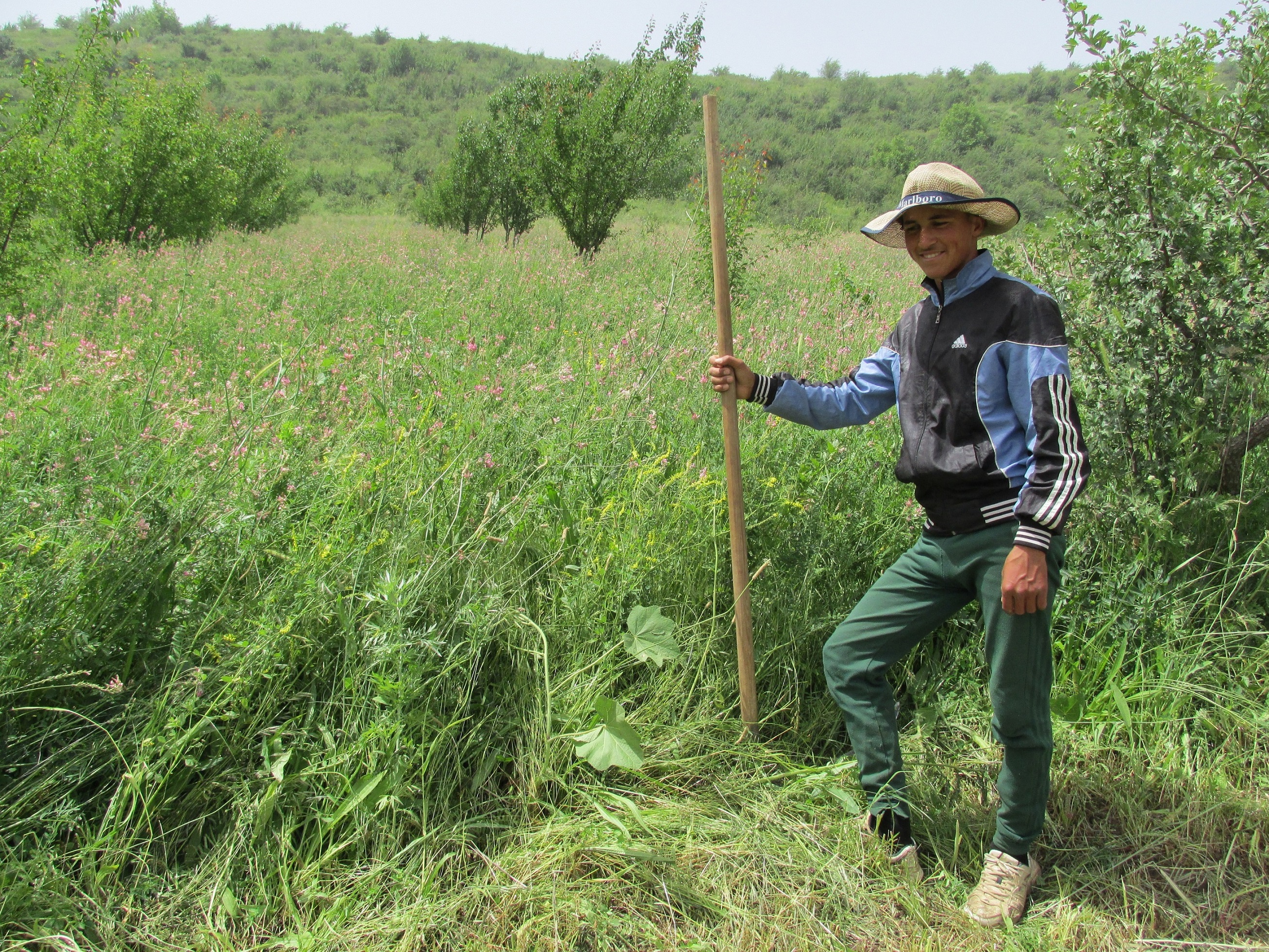
- 📍 Muminabad district
- 📷 Sady Odinashoev