
Sustainable pasture improvement in the arid and semiarid lands of Turkiye
Type: Approaches
Creation: 2022-07-07 11:22 Updated: 2022-08-16 08:16
Compilers: Bilgi Sarihan
Reviewers: William Critchley, Rima Mekdaschi Studer
Country/ region/ locations where the Approach has been applied
- Country: Türkiye
- Region/ State/ Province: The Central Anatolian Region
- Map: View Map
Description of the SLM Approach
Short description of the Approach
Natural pastures have insufficient capacity to produce forage in the semi-arid rangelands of Central Anatolian Region. Therefore, a project has been initiated to plant forage shrubs which are drought and salinity tolerant in order to rehabilitate these pasturelands.
Detailed description of the Approach
Approximately 65% of Turkiye’s surface area (78 million hectares in total) consists of arid and semiarid areas, and this is where most of the pasturelands are located. These areas are deprived of vegetation and under threat of wind erosion. In addition, salinity is a serious problem on approximately 2 million hectares. In recent years, the General Directorate of Combating Desertification and Erosion has been implementing projects to improve pasture quality in arid and salty areas by planting adapted shrubs. Natural pastures have insufficient capacity to produce forage sustainably. Droughts, which are increasingly felt with global warming and climate change, have further limited forage production, especially in Central Anatolian Region’s rangelands. A project was initiated in the dry, nutrient-poor and heavy soils land within the borders of Kırsehir (Malya) and Ankara (Polatli) Agricultural Operations Directorate. Forage shrubs and herbaceous plants which are resistant to drought and overgrazing were selected: namely Atriplex canescens, Kochia prostrata, Agropyron elongatum and Agropyron intermedium. Atriplex canescens is, in particular, drought tolerant and rapidly increases the yield of animal feed in degraded pastures. No chemical fertilizer was applied to this species, which was given limited water only for the first two years after planting. Despite this, the plants grew successfully. It is thought that the continuity of the pasture established in this approach is possible in most of the arid areas. The management of the improved field will be provided by planned grazing. One year, part of the pasture will be opened for grazing in one season, while other parts will be opened for grazing in the second year. In this way, land degradation of the area will be prevented. One of the primary goals of this project is to contribute to the improvement of degraded pasture's biomass productivity. The project also support efforts to prevent wind erosion. Under the project, adaptation to drought, growth and biomass of the planted and cultivated species are monitored, and their contribution to the regional livestock's feed source capacity and soil fertility are recorded. Above all, the approach will help to provide sustainable land improvement, especially where livestock keepers face challenges with drought.
Photos of the Approach
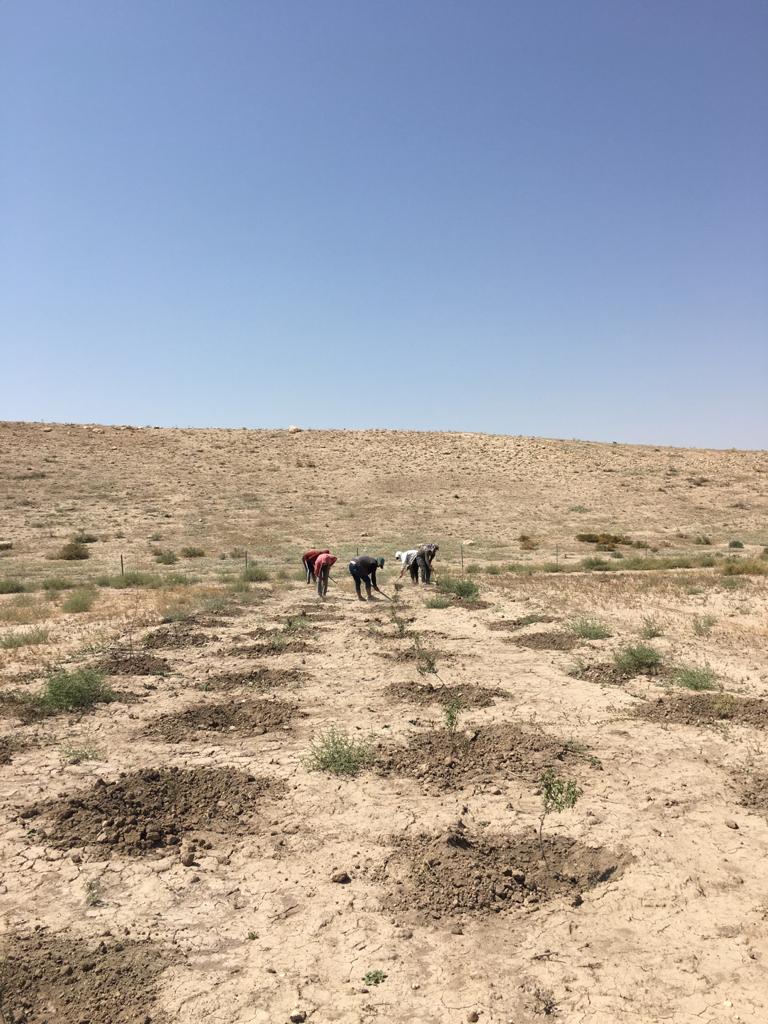
- 📍 Polatli, Ankara, Turkiye
- 📷 Bilgi Sarihan
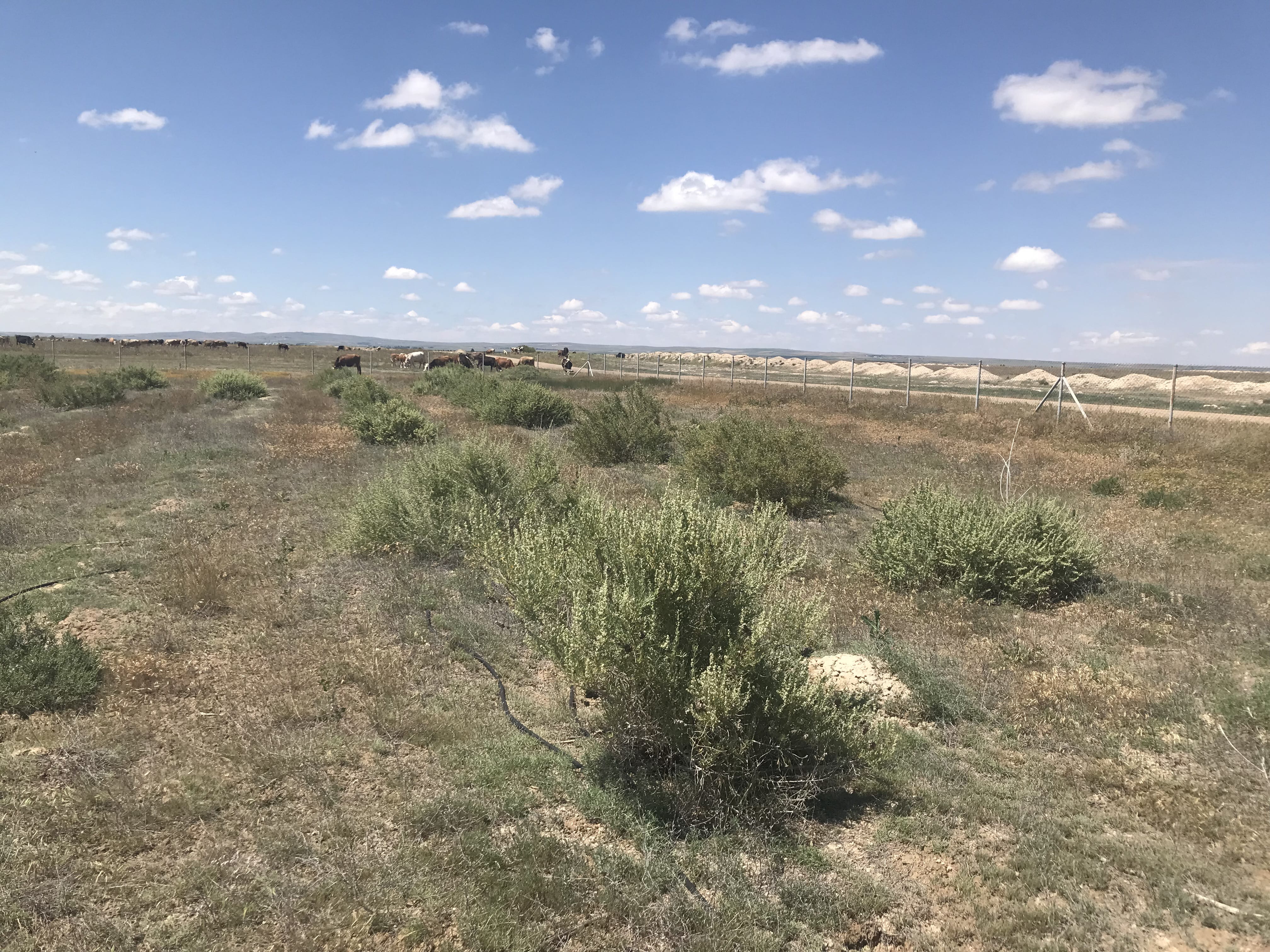
- 📍 Malya, Kırsehir, Turkiye
- 🗓 2022-01-07
- 📷 Bilgi Sarihan
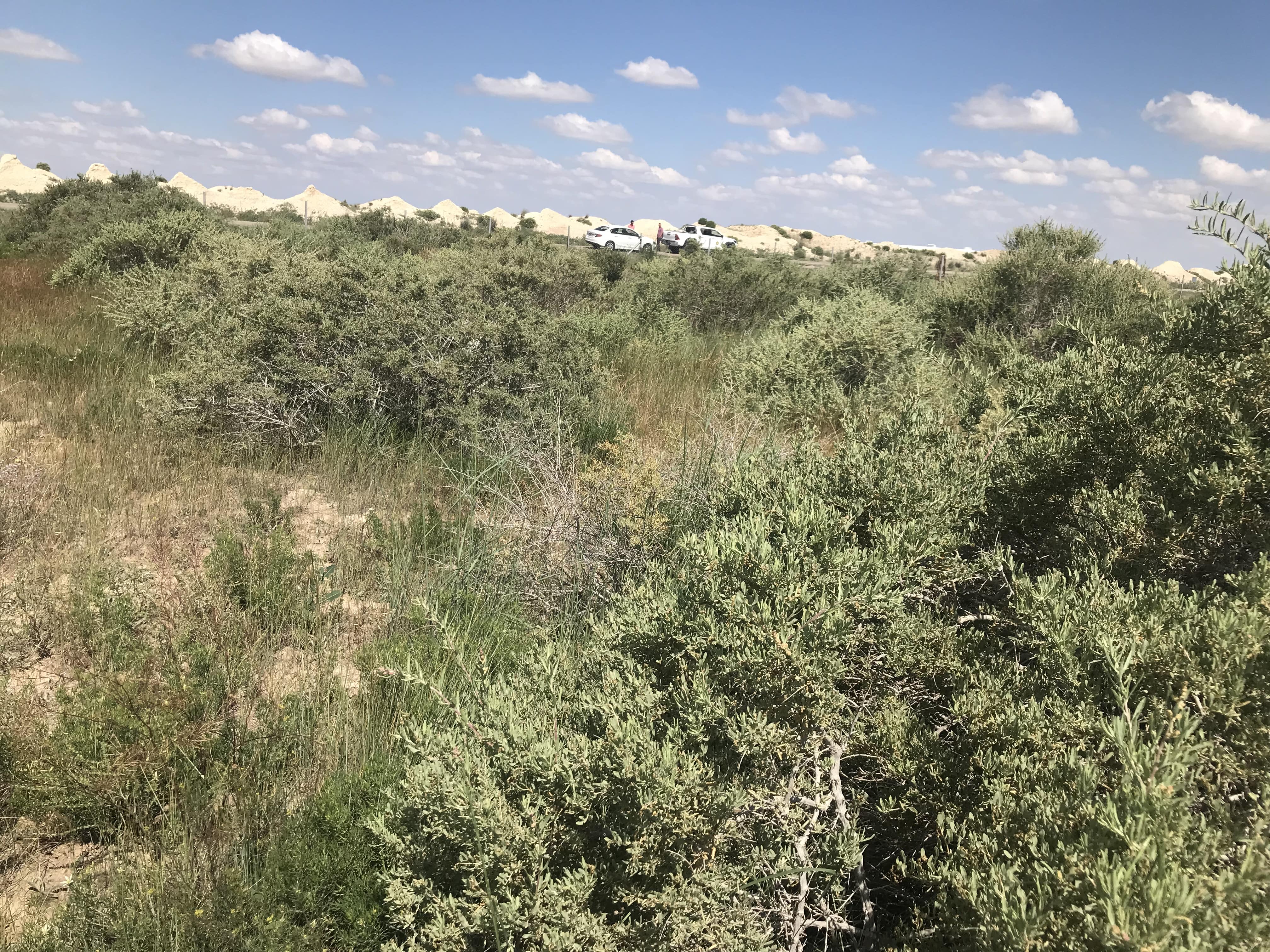
- 📍 Malya, Kırsehir, Turkiye
- 🗓 2022-01-07