
Climate-Smart Village Approach
Type: Approaches
Creation: 2023-07-13 13:58 Updated: 2024-05-30 13:13
Compilers: ONGPO LEPCHA
Reviewers: William Critchley, Rima Mekdaschi Studer, Joana Eichenberger
Country/ region/ locations where the Approach has been applied
- Country: Bhutan
- Region/ State/ Province: Mongar Dzongkhag
- Further specification of location (e.g. municipality, town, etc.), if relevant: Ngaru-Pongtang village, Thangrong gewog
- Map: View Map
Description of the SLM Approach
Short description of the Approach
Climate change has become inevitable, and there is a need to address this impending danger. In the Climate-Smart Village (CSV) approach, land users in Ngaru-Pongtang have implemented several technologies and innovations to address climate change impacts, and the programme has worked with 50 households on a total area of 137 acres (55 ha).
Detailed description of the Approach
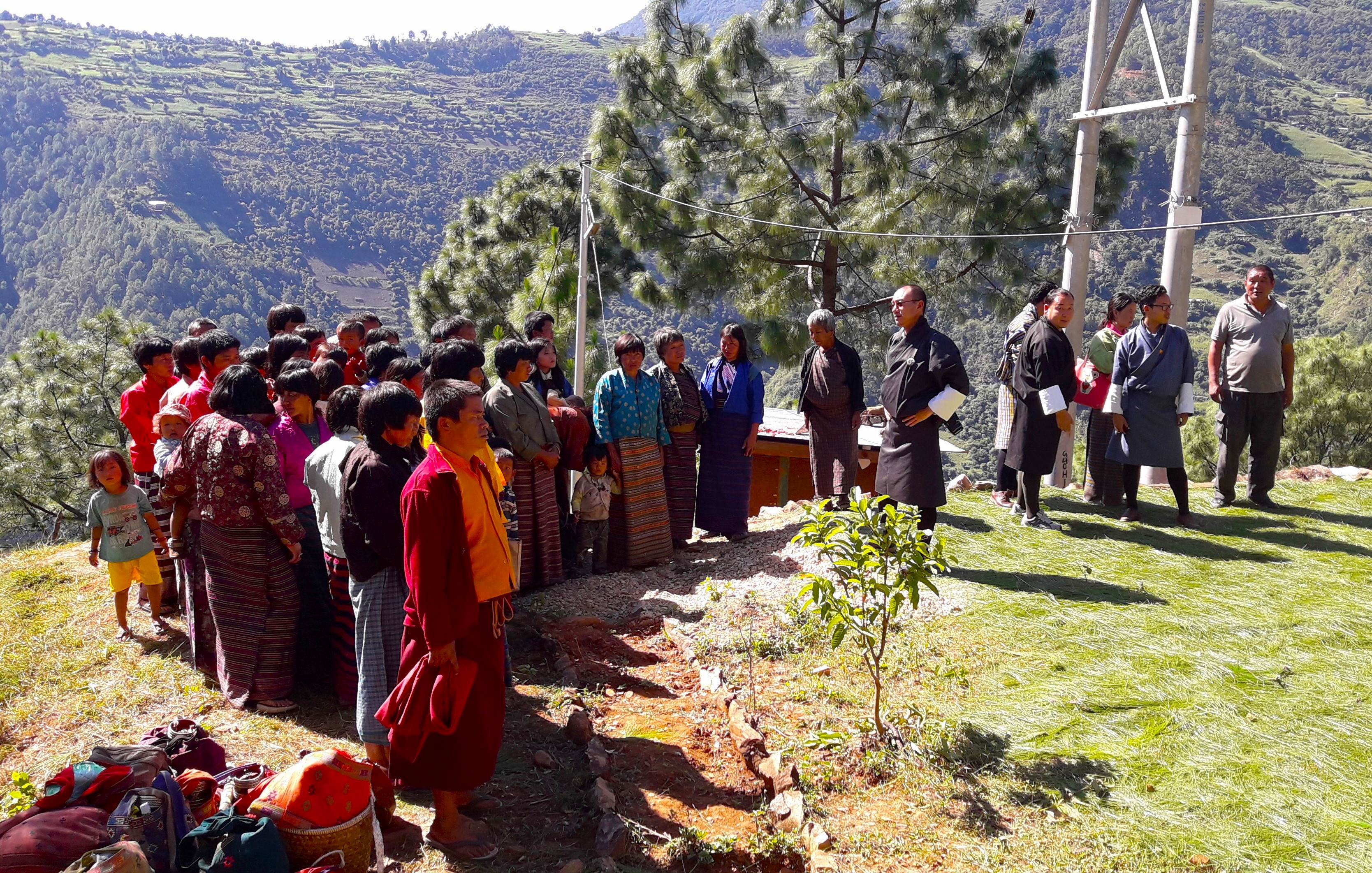
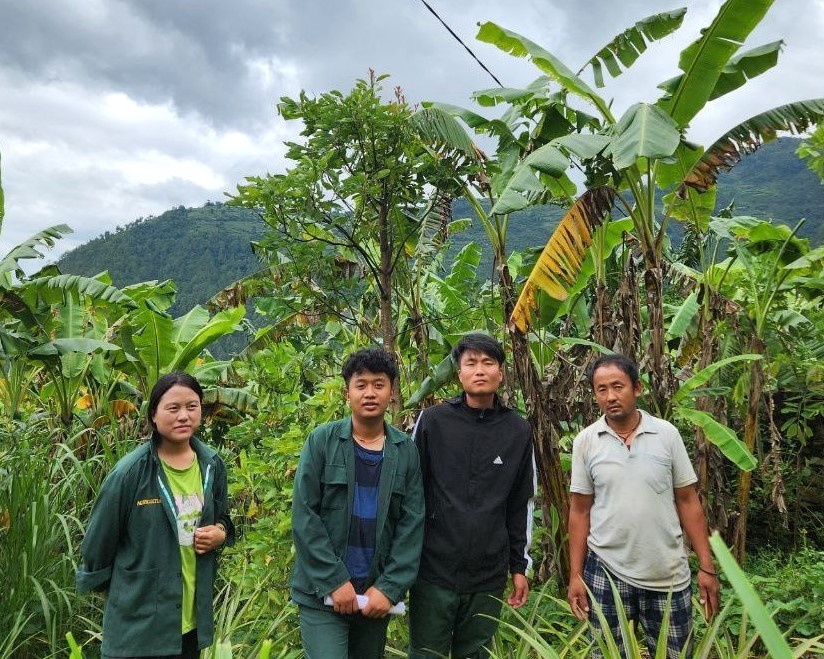
This approach focused on transforming Ngaru-Pontang into a Climate-Smart Village (CSV) with actions that also contribute to mitigating climate change. The programme has worked with 50 households on a total area of 137 acres (55 ha). The approach included a participatory vulnerability assessment, and extensive training and education for the land users. They were equipped with skills, technologies, and innovative practices related to climate-smart agriculture (CSA). Additionally, the approach emphasized collaborative efforts, working closely with community members to foster better engagement and cooperation.
The primary objectives of the approach were to transform Ngaru-Pontang village into a CSV and thus effectively address the challenges posed by climate change. To achieve these goals, the approach employed various methods. It involved meetings with the community members, vulnerability assessment, fostering collaboration between the community, Agriculture Research and Development Centre (ARDC) Wengkhar, and Commercial Agriculture and the Resilient Livelihood Enhancement Programme (CARLEP). The community members received comprehensive training and attended workshops on climate-smart agriculture practices.
The implementation of the approach adopted the following stages:
1. Resource and livelihood analysis carried out through a Participatory Vulnerability Assessment.
2. Based on the findings from the above assessment, a project proposal was submitted to secure funding.
3. Subsequently, discussions were held with the community members, the extension agent, and the local government to ensure collective agreement and support.
4. A detailed plan with a timeline was developed to guide project implementation and monitoring.
5. Training and workshops on CSA practices were conducted by the ARDC and the extension agent, empowering the community members to take charge of project implementation and ensure sustainability.
Key stakeholders involved in the approach included:
1. ARDC Wenkhar, which led the implementation of the project, facilitated the training and workshops, provided technical assistance, and monitored the programme's progress.
2. The Gewog administration and the extension agent played crucial roles by offering support and assistance in implementing climate-smart agriculture practices in the field.
3. The community members actively participated in various program activities, playing a pivotal role in driving the project forward.
4. The Commercial Agriculture and Resilient Livelihood Enhancement Programme (CARLEP) acted as the funding agency.
The key CSA practices implemented through this approach are soil fertility improvement technologies (composting through use of FYM and bio-slurry, vermicomposting; liquid manure, biochar, Bhutan Agri-Microbial Solution (BAMS) and hedgerow plantations), community solar-electric fencing, heat and drought tolerant crops (spring paddy, soybean, avocados, mangoes and pineapples), biogas installations and establishment of weather station.
The implementation of CSA interventions has resulted in a wide range of impacts on livelihoods, income, and enhanced climate resilience. The diversification of crops, electric fencing, and improvement in irrigation have enabled farmers to expand their cultivation area thereby directly enhancing crop production and cash income. Similarly, the integration of improved livestock farming systems along with crops and the installation of biogas plants have reduced impacts on natural resources. Farmers have gained knowledge and exposure to different climate-smart agriculture practices. The only negative impact of the measures has been extra damage to crops by wild animals.
Photos of the Approach
- 📍 Ngaru-Pongtang village, Thangrong gewog, Mongar Dzongkhag, Bhutan
- 📷 Lhap Dorji
- 📍 Ngaru-Pongtang village, Thangrong gewog, Mongar Dzongkhag, Bhutan
- 📷 Tshering Zangmo