
Darla Dairy Cooperatives
Type: Approaches
Creation: 2023-07-21 06:20 Updated: 2024-06-04 14:27
Compilers: Karma Wangdi
Reviewers: William Critchley, Rima Mekdaschi Studer, Joana Eichenberger
Country/ region/ locations where the Approach has been applied
- Country: Bhutan
- Region/ State/ Province: Chukha
- Further specification of location (e.g. municipality, town, etc.), if relevant: Darla
- Map: View Map
Description of the SLM Approach
Short description of the Approach
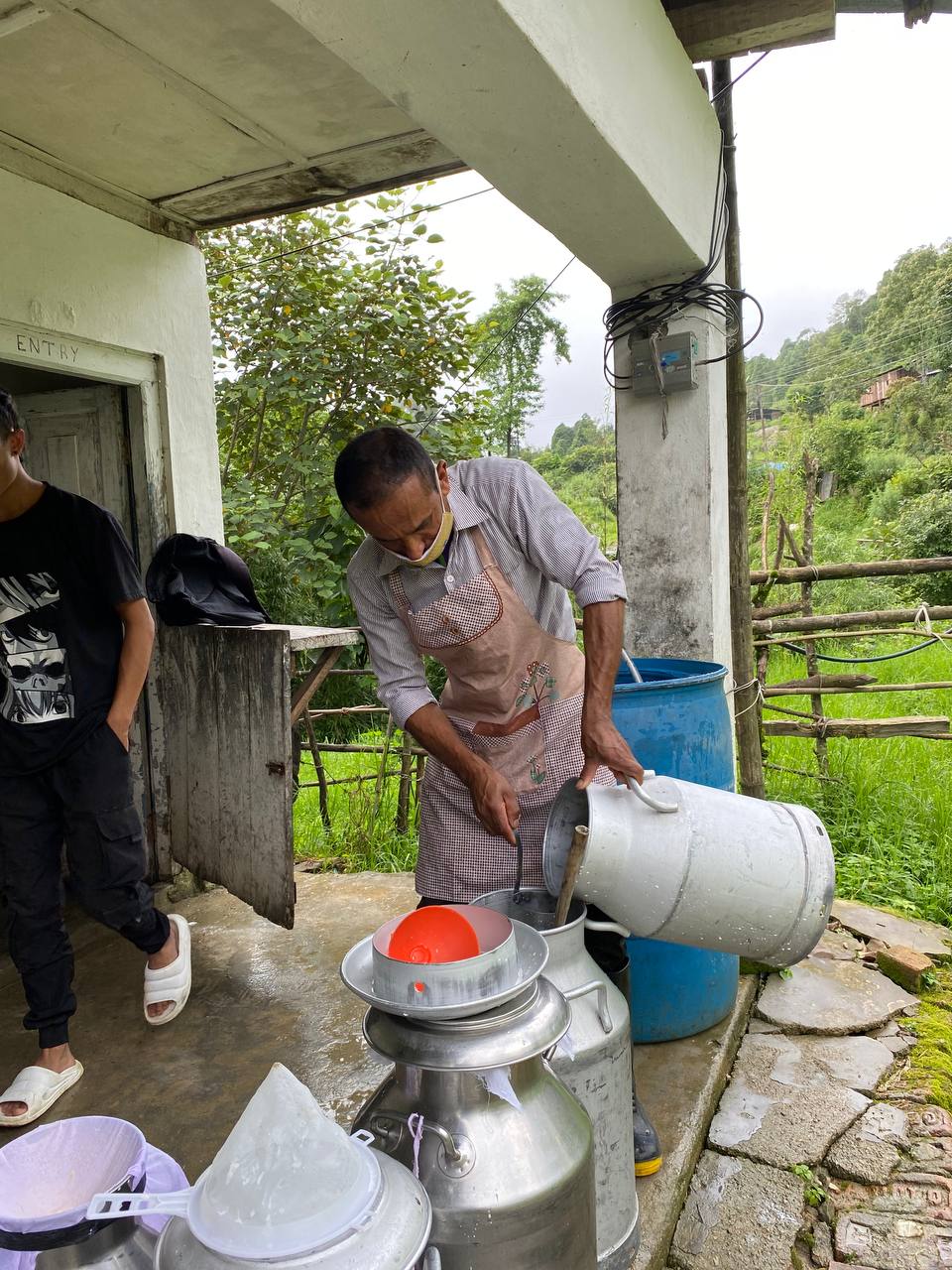
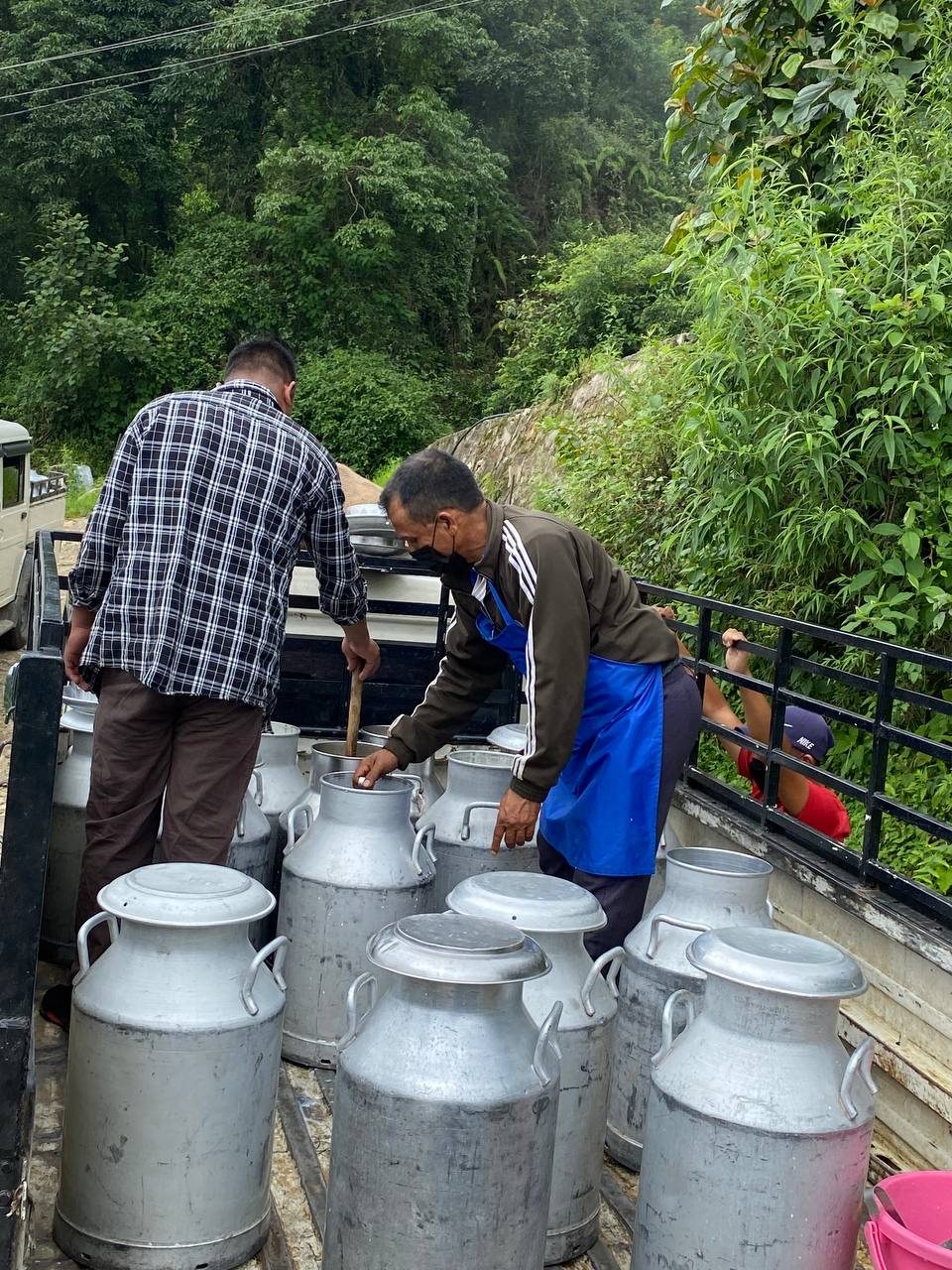
The Darla dairy cooperative is an example of where farmers come together to form collective organizations for production, collection, transportation, processing, and marketing of milk and dairy products. These are business models operated as member-owned and member-controlled organizations.
Detailed description of the Approach
Livestock in Bhutan are reared for a multitude of purposes, encompassing the production of milk, food, and dung, as well as serving as a means of generating draught power, generating revenue, and accumulating assets. Dairy products, particularly butter and cheese, occupy significant significance within the Bhutanese nutritional framework and have emerged as a noteworthy economic resource for certain households in recent times. Knowing its importance many Bhutanese farmers are forming the cooperative groups. One thing that has been constantly growing over the years in Darla Gewog under Chhukha Dzongkhag is a Farmer’s Cooperative.
Darla dairy cooperatives are business owned and operated by dairy farmers, designed to collectively manage market milk and dairy products (Singh & Gupta, 2015). One of their main features is the collective ownership structure, where farmers become members and actively participate in decision-making processes. By pooling resources, dairy cooperatives enable farmers to access shared facilities, such as milk processing plants and storage, reducing individual cost and enhancing efficiency. Additionally, they offer fair and transparent pricing mechanisms, ensuring farmers receive a competitive price for their milk. Dairy cooperatives also provide valuable technical assistant, training, and access to markets, supporting farmer's growth and sustainability in the dairy industry (USDA, 2015).
The aims and objectives of dairy cooperatives revolve around empowering dairy farmers and promoting their collective welfare. One of the primary objectives is to facilitate shared ownership and democratic decision-making, allowing farmers to collectively manage their dairy operation. Another key aim is to ensure fair and equitable distribution of profits among members, promoting economic sustainability and social development within the dairy community. Dairy cooperatives also strive to provide access to modern technologies empowering farmers with the knowledge and skill needed for sustainable dairy farming practices (FAO, 2019).
The formation of a dairy cooperative typically involves several methods and steps to ensure successful establishment. Firstly, a core group of dairy farmers with common goals come together to initiate the cooperative. They conduct meetings, gauge interest, and identify potential members. Once the core group is established, they create formal bylaws that outline the cooperative's objectives, membership criteria, decision-making processes and profit-sharing mechanisms. To attract more members, awareness campaigns and informational sessions organized by gewog livestock extension agents showcase the benefits of joining the cooperatives. Financial planning and livestock management efforts are also undertaken to raise the necessary capital for initial investments, such as setting up milk processing facilities and infrastructures. There are 101 registered dairy farmers who contribute milk through the cooperative. The dairy cooperative is operated by 6 core members who manage the daily activities.
Dairy cooperatives play a crucial role in the dairy industry by bringing together various stakeholders and facilitating their collaboration. The primary stakeholders involved in dairy cooperative includes dairy farmers who are the core members and owner of the cooperative. They actively participate in decision-making and contribute their milk to the cooperative for processing and marketing. Additionally, consumers are significant stakeholders as they rely on dairy cooperatives to provide them with high quality milk and dairy product. Other stakeholders like the gewog livestock extension agent, the District livestock officer and other officials are involved in a meeting which is conducted twice a year. Marketing opportunities are the main driving forces for producers to produce more of any type of product. Identification of market opportunities and the development of proper marketing strategies for milk and milk products for selected groups of villages would be a useful approach to support dairy cooperatives.
Photos of the Approach
- 📍 Darla
- 📷 Tshering Zangmo
- 📍 Darla
- 📷 Tshering Zangmo