
Land Use Certificate to engage youth in Agriculture
Type: Approaches
Creation: 2023-08-10 13:39 Updated: 2024-05-30 13:12
Compilers: ONGPO LEPCHA
Reviewers: William Critchley, Rima Mekdaschi Studer, Joana Eichenberger
Country/ region/ locations where the Approach has been applied
- Country: Bhutan
- Region/ State/ Province: Lichen, Trashi Yangtse: Bhutan
- Further specification of location (e.g. municipality, town, etc.), if relevant: Tshendung, Lichen chiwog (village), Yangtse gewog (sub district): Trashi Yangtse Dzongkhag (District)
- Map: View Map
Description of the SLM Approach
Short description of the Approach
The Land Use Certification (LUC) commenced in 2015 as the new allocation system for land and provided a new title of land tenure. Initially, LUC focused on allotting land to Government institutions and Gerab Dratshang (monastic bodies). However, LUC later focused on the unemployed youth who were interested in commercial farming.
Detailed description of the Approach
The Land Use Certification (LUC) commenced in 2015 as the new system for the allocation of land and a new title of land tenure. Initially, LUC focused on allotting land to Government institutions and Gerab Dratshang (monastic bodies). However, LUC later focused on the unemployed youth who were interested in commercial farming. This documentation is based on the LUC group ‘Tshendung LUC Integrated Farming Association'.
The main aims of the LUC approach are 1) to help sustainably manage and enhance productive use of land, 2) to encourage next-generation farming through farm mechanization and large-scale enterprising farming, and 3) to enhance the rural economy.
The approach started as an initiative towards the realization of the noble vision of strengthening sovereignty and security and enhancing social policy of equity and the national objective of self-reliance. Unemployed youth groups are expected to help sustainably manage and enhance the productive use of land - and the approach was to encourage next-generation farming through farm mechanization and large-scale production to promote enterprise-based farming and enhance the rural economy. Initially, it started with a meeting between district officials and unemployed youth. Later, bylaws were created, and agreements were signed. This was followed by sending youth for capacity development within and outside the country. They were trained on how to operate power tillers, use grass cutters and chain saws, and on the installation of electric fencing and greenhouses. In addition, they were trained in how to grow vegetables, fruit crops, and livestock production. In parallel infrastructure development activities were taking place in the current project sites.
The Tshendung LUC Integrated Farming Association enables land users to carry out agricultural activities more effectively. In addition, the association was able to transport and market their produce more efficiently than individual households. Other co-benefits reported are the improved community sense and enhanced social cohesion because the exchange of experiences and collaboration builds mutual trust. Working in a group eases hard physical work on the 9 acres (3.6 ha) of land.
The District Office initiated the group formation upon command from higher authority. They were also involved in planning, forming groups, bylaws, and monitoring the activities of the group. The District agricultural and livestock officers provided technical guidance on crop and livestock production. They also provided them with agricultural inputs. Lichen Primary School are consumers of the agricultural and livestock goods produced by the group. Land users are involved in planning the production and marketing of agricultural and animal products.
Initially, there were 11 youths in the group. They were provided with wide-ranging training and support including the preparation of land for growing crops and the construction of their residence. In addition to agricultural inputs like seeds, and saplings, the group was also provided farm machinery and farm tools for easy implementation of farm works. The group is happy with all the initiatives the government has done, however, one thing that discouraged the group from continuing with farming activities was the location of the site. They didn't like the location - which is in the middle of the forest around 15-20km away from the town. This makes transportation of agricultural inputs like seeds and feeds and marketing of agricultural and livestock products very difficult. The government initially supported the group with everything but later this support was withdrawn, which made it very difficult for the group to survive on their own.
Photos of the Approach
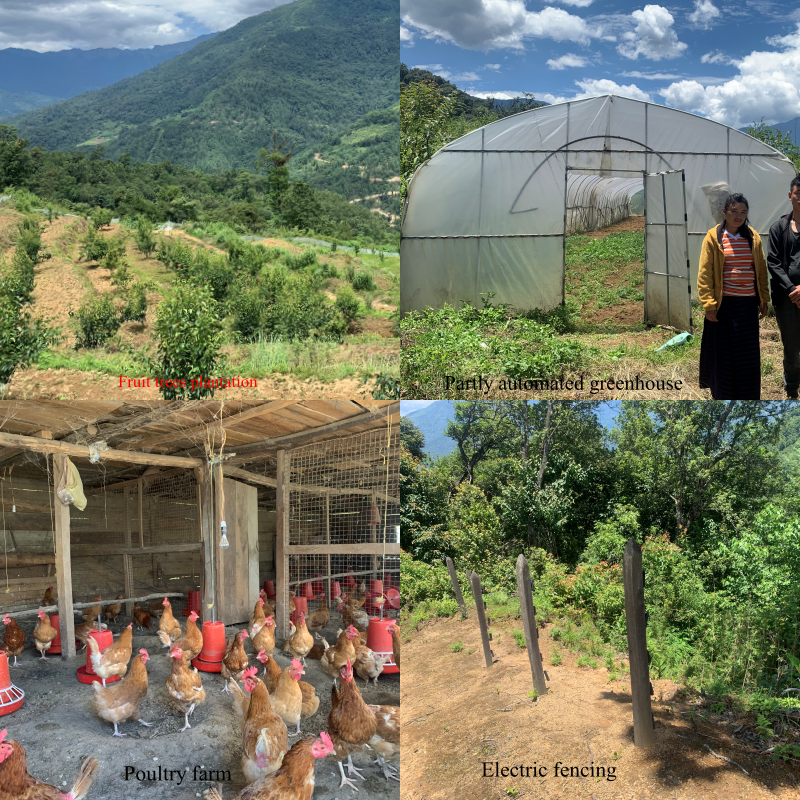
- 📍 Lichen, Trashi Yangtse: Bhutan
- 📷 Tshering Yangzom
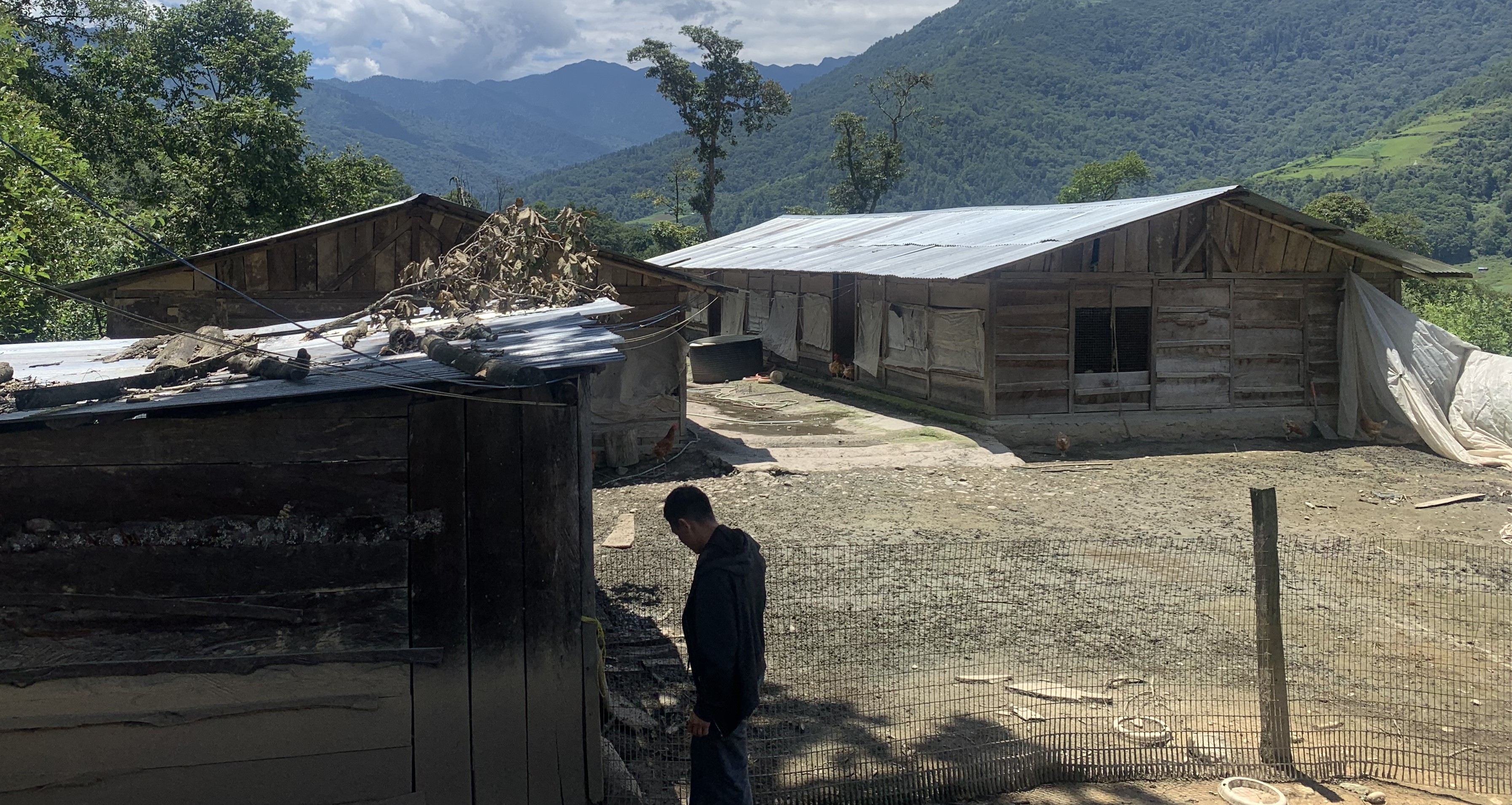
- 📍 Lichen, Trashi Yangtse: Bhutan
- 📷 Ongpo Lepcha