
Enhancing Agricultural Production Through Fallow Land Reversion
Type: Approaches
Creation: 2023-08-19 08:20 Updated: 2024-05-30 13:11
Compilers: Nima Dolma Tamang
Reviewers: William Critchley, Rima Mekdaschi Studer, Joana Eichenberger
Country/ region/ locations where the Approach has been applied
- Country: Bhutan
- Region/ State/ Province: Trashigang Dzongkhag
- Further specification of location (e.g. municipality, town, etc.), if relevant: Pakaling Chiwog, Radhi Gewog,
- Map: View Map
Description of the SLM Approach
Short description of the Approach
The approach is to enhance production of local vegetables and fruits through fallow land restoration - under a group established for the purpose.
Detailed description of the Approach
This approach of reverting fallowed land to productivity encompasses leasing land, working in groups, promoting SLM technologies, and forging market linkages. In this example, the land belongs to the community Lhakang (temple) where the community used to grow maize and pulses to be offered to the Lhakang. However, with increased wild animal depredation, and shortages of irrigation water the land was left fallow. In 2019, with support from the government and the Commercial Agriculture and Resilient Livelihoods Enhancement Program (CARLEP), International Fund for Agriculture Development (IFAD) Project, interested farmers from the community came together, leased the land, and started cultivating vegetables. The reverted fallow land is thus cultivated by the Chuthawoong Commercial Vegetable Farming group which is divided into three subgroups – one of women only - to increase efficiency. The group consist of seven and nine men in two male groups and seven women in one female group. There are no youths involved. The initial development involved the implementation of various SLM technologies such as stone bunding and napier grass strips to reduce soil erosion. Developing market linkages is another characteristic of the approach. The Regional Agricultural Marketing and Cooperatives (RAMCO) linked the land users with three schools to sell vegetables. Furthermore, the group signed a contract with Bhutan Agro Industries Limited (BAIL), Lingmithang (state-owned company) to supply dragon fruit and pineapple for processing.
The main aims and objectives of the approach are to become self-sufficient in vegetables and reduce imports, improve the livelihood and income of the land users and retain youth in agriculture through agricultural mechanization. The methods involved in implementing the approach were consultation among the community leaders and land users, and higher-level consultation with the Gewog Leaders and Dzongkhag Officials, consultation with the Agriculture Research and Development Center (ARDC) Wengkhar and with CARLEP project members.
Stages of implementation included conducting a feasibility study, followed by consultation meetings with the land users. Land development was carried out along with the installation of facilities including fencing, greenhouses, irrigation, and irrigation water storage tanks. After that, the group was formed and bylaws established. Seeds and seedlings were provided by the government.
Stakeholders involved include Gewog officials to develop land lease agreements. The Gewog Extension officer was involved throughout the process in providing guidance and support concerning irrigation, land development, vegetable and fruit cultivation and others. Dzongkhag officials were involved in the feasibility study and planning, and as one of the funding source. CARLEP act as the biggest funding agency to facilitate infrastructure support along with carrying out monitoring activities. ARDC-Wengkhar provided technical support and RAMCO established market linkages.
Land users benefit from increased household income and being self-sufficient in vegetables. The major challenges faced by the land users are distance, as the land is located far away from their houses, and marketing issues, as total production remains above market demand.
Photos of the Approach
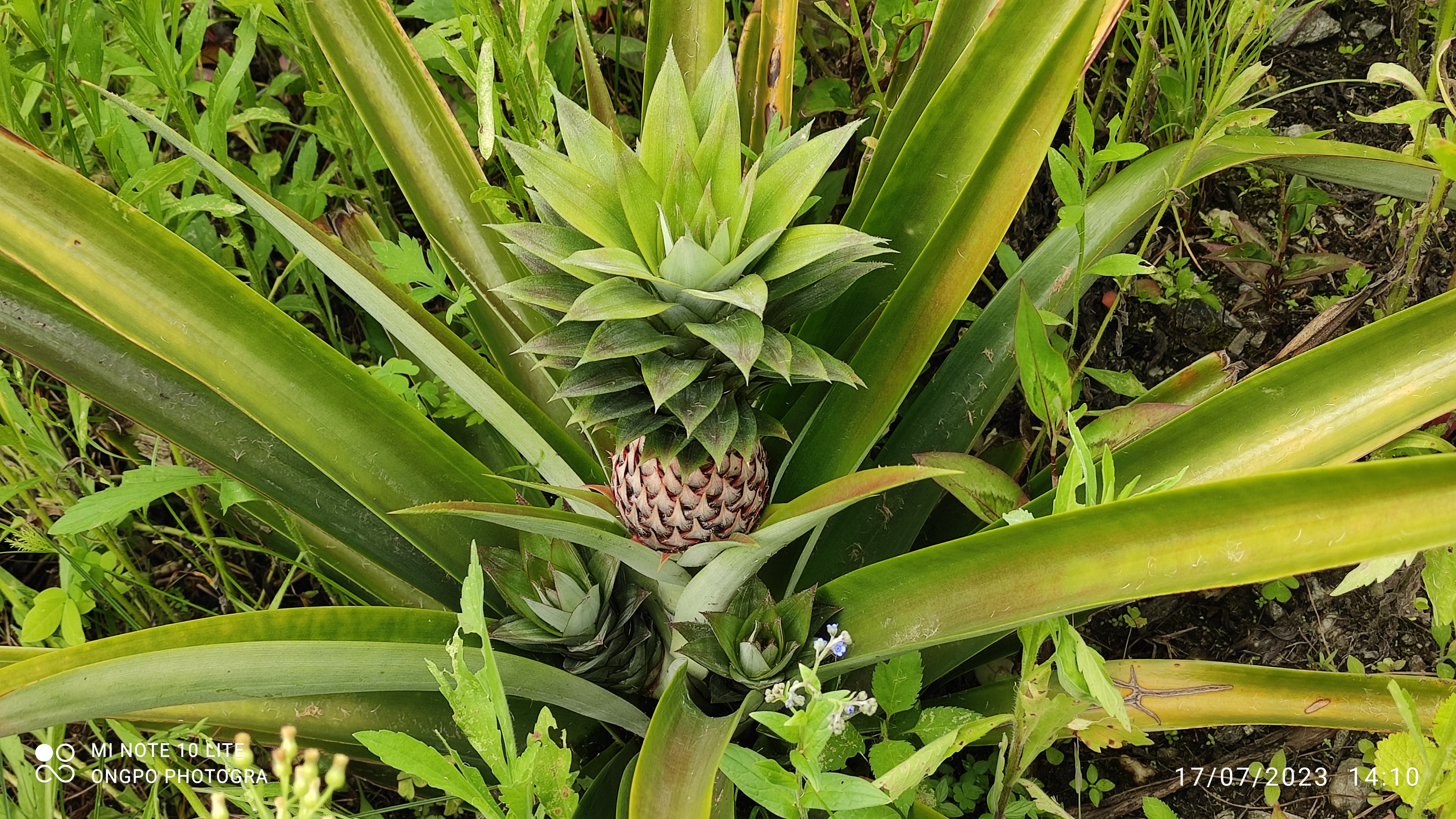
- 📍 Chudawoong Village, Radhi Gewog, Trashigang Dzongkhag
- 📷 Ongpo Lepcha
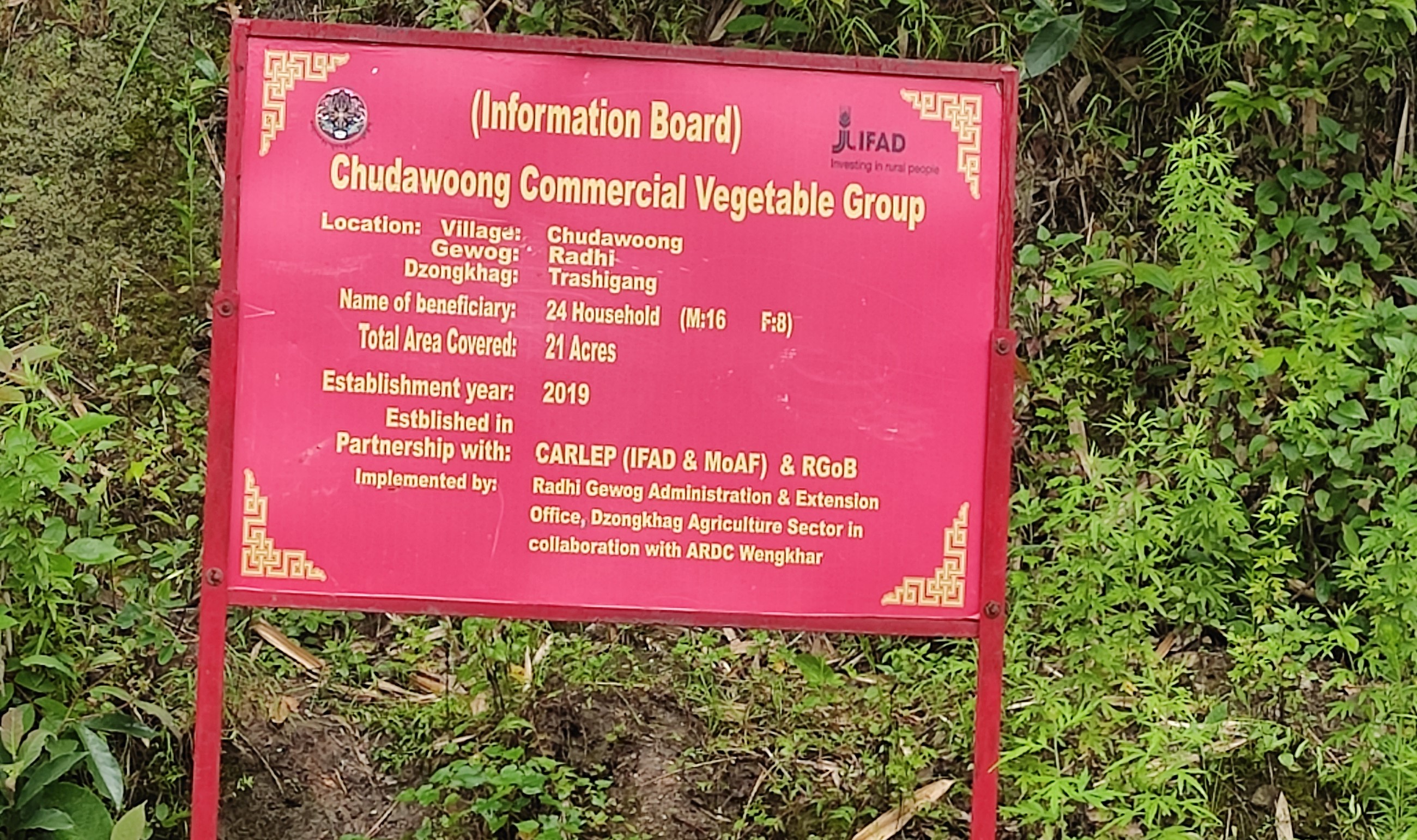
- 📍 Chudawoong Village, Radhi Gewog, Trashigang Dzongkhag
- 📷 Ongpo Lepcha