
Improved Livestock Farming System
Type: Approaches
Creation: 2023-08-23 05:44 Updated: 2024-05-30 15:13
Compilers: Tshering Yangzom
Reviewers: William Critchley, Rima Mekdaschi Studer, Joana Eichenberger
Country/ region/ locations where the Approach has been applied
- Country: Bhutan
- Region/ State/ Province: Kheripam village, Domphu chiwog, Dewathang gewog, Samdrup Jongkhar Dzongkhag
- Map: View Map
Description of the SLM Approach
Short description of the Approach
The approach involves a group of farmers implementing an improved dairy system. The system incorporates practices and technologies that enhance animal welfare, reduce environmental impact, and increase production.
Detailed description of the Approach
This case describes how a group approach can facilitate and encourage improved dairy production with better sheds, more productive breeds, environmental sustainability and marketing. Upgraded dairy production is described in detail under the technology “Improved dairy sheds” (T6898).
Initially, the land users were a part of a bigger milk group established in 1993. In 2017, some detached themselves and formed “Om Nyamdel Tshogde” which is a group composed of 67 members from Rikhey and Domphu chiwogs, led by a Chairperson, Mrs. Yangzom. The group also has a treasurer, Drungchen, and a driver. The main objective of forming the milk group was to improve the livelihoods of land users through higher yields via better livestock farming. The group formation process was assisted by the livestock extension officer. The funding was mobilized from the community itself.
The group members, with some support from the government, constructed improved dairy sheds, and biogas plants, and received training on fodder plantations. The stakeholders involved were land users, livestock extension officers, and the private cooperative B-COOP. The land users' role is to coordinate and conduct activities related to livestock farming. The extension officer's role is to provide veterinary and technical services. B-COOP's role is to buy dairy products from the group, especially milk.
The group members have installed improved dairy sheds with cemented floors, feeding troughs, corrugated galvanised iron (CGI) roofing, and a continuous water supply. Also, cattle have access to timely veterinary services. Cow dung and urine are used as fertilizers and also in biogas plants. Biogas plants generate renewable energy (methane), thereby cutting down the use of liquefied petroleum gas (LPG) gas which is derived from fossil fuel.
Under improved dairy sheds, stall-feeding is practised which bars the cattle from going to forests to feed. This prevents the degradation of land by cattle movement through trampling. For better nutrition and feeding, grass fodder species including Super Napier (pakchung), Napier, and Guatemala are grown, cut and and fed to cattle. In addition, other feeds provided included banana stems, maize stems, maize powder, mustard cake, and processed feeds. The group delivers at least 300 litres of milk per day to B-COOP, and some milk goes to India.
Improved breeds have replaced numerous low-yielding local cattle thereby making more efficient use of cattle feed. Also, fewer, more productive animals help reduce environmental degradation and methane losses to the atmosphere. The majority of cattle reared have been bred through artificial insemination. Most cattle are 50:50 hybrids between local breeds and improved breeds such as Jersey. Improving the breeds helps to increase milk production (e.g Holstein Friesian) and or percentage butter fat (e.g. Jersey). To feed and sustain productive, improved breeds, various fodder species are cultivated in large areas. This helps in carbon sequestration and preventing soil erosion.
What the land users like about the approach is that improved livestock farming results in a continuous source of income, as milk production is not seasonal like vegetable production, it provides organic fertilizers for fields, improves livelihoods, makes use of waste such as cow dung in biogas plants which means reduced dependency on LPG gas which is quite expensive. Also access to credit is increased. Government support has increased after the milk group formation. Furthermore, the workload is shared among the land users, especially during the making of biogas plants, thus easing the workload per person.
Photos of the Approach
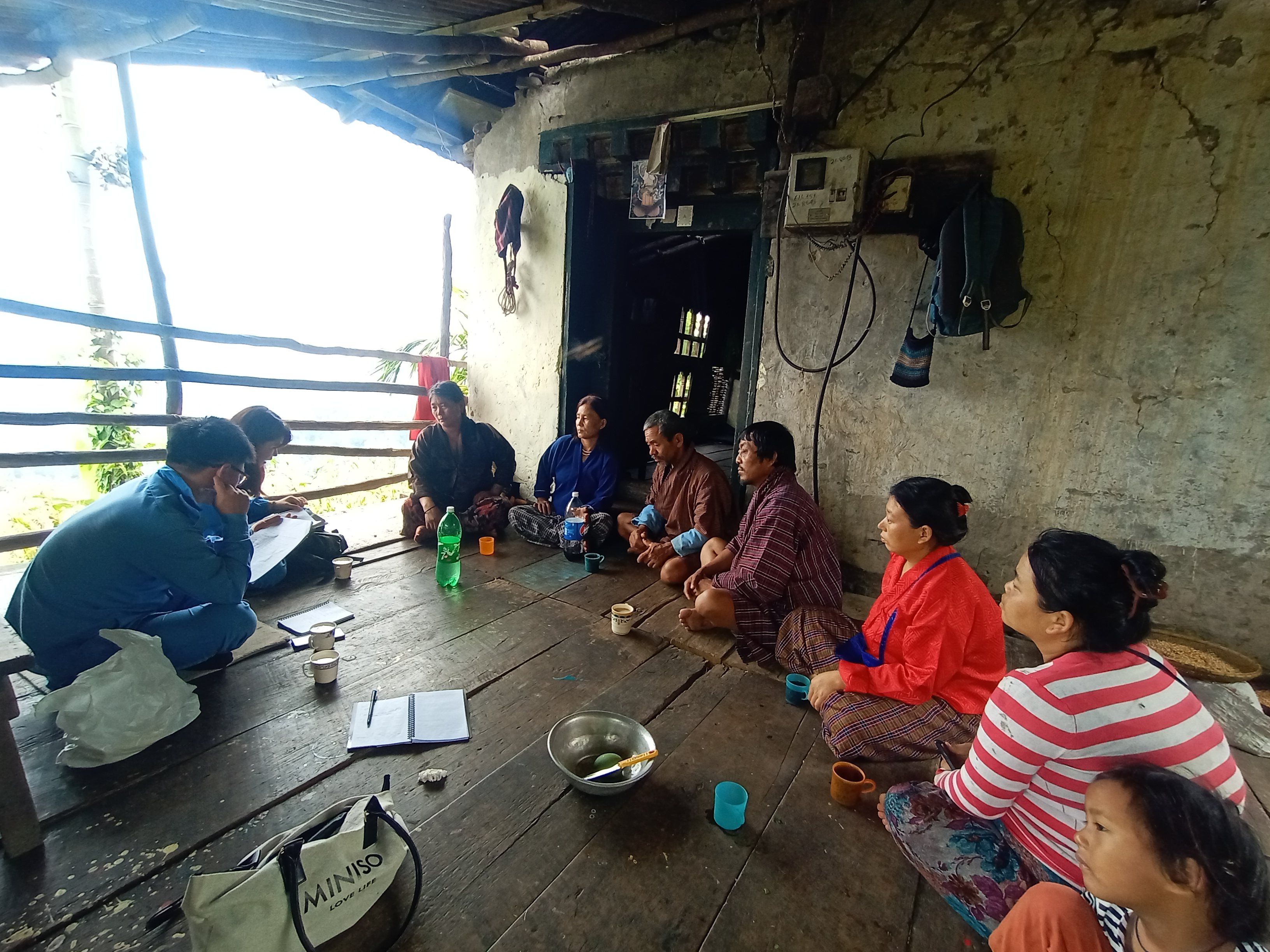
- 📍 Kheripam village, Domphu chiwog, Dewathang gewog, Samdrup Jongkhar Dzongkhag
- 🗓 2023-09-07
- 📷 Tshering Yangzom
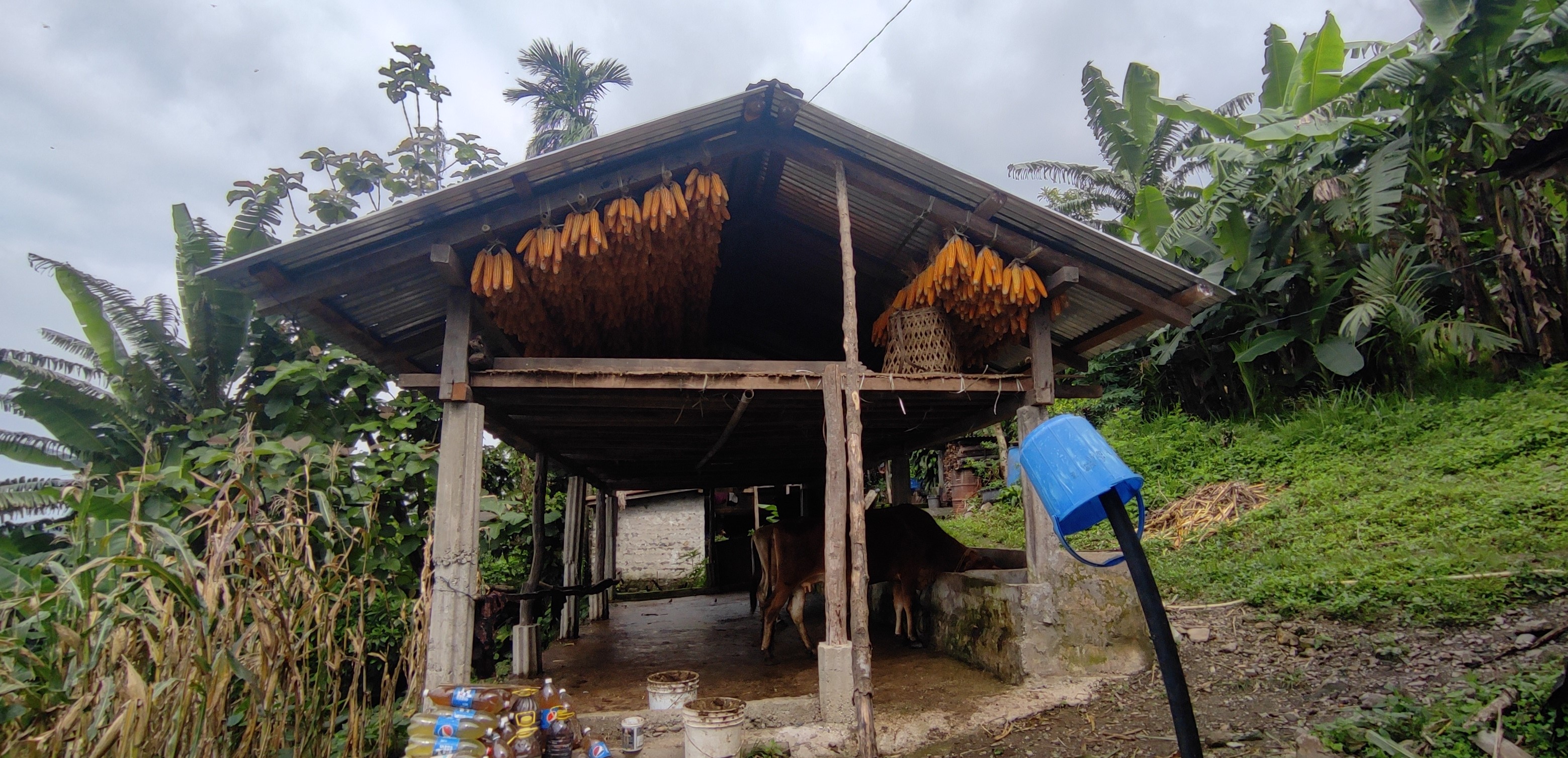
- 📍 Kheripam village, Domphu chiwog, Dewathang gewog, Samdrup Jongkhar Dzongkhag
- 🗓 2023-09-07
- 📷 Tshering Yangzom