
Kalpavalli conservation approach: community-centred conservation of the commons
Type: Approaches
Creation: 2023-10-20 15:24 Updated: 2023-12-18 15:32
Compilers: Manisha Kairaly
Reviewers: William Critchley, Joana Eichenberger
Country/ region/ locations where the Approach has been applied
- Country: India
- Region/ State/ Province: Andhra Pradesh
- Further specification of location (e.g. municipality, town, etc.), if relevant: Anatapuram District
- Map: View Map
Description of the SLM Approach
Short description of the Approach
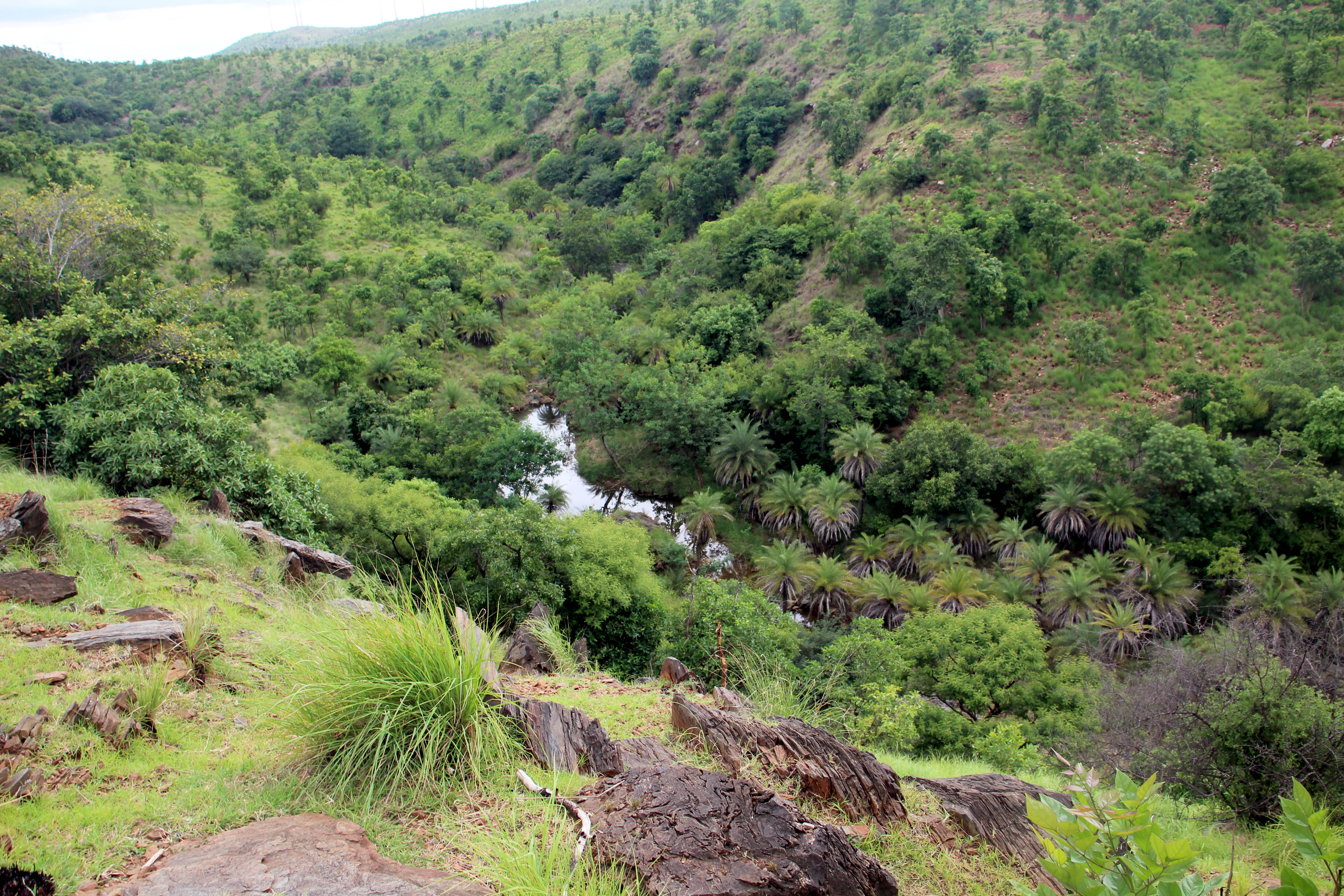
The Kalpavalli Community Conservation Area (KCCA) is a 6,500-acre (2,630 hectare) expanse of community-regenerated arid land located in the state of Andhra Pradesh in southern India. Over thirty years, participatory efforts have protected and restored this savannah ecosystem, with direct and indirect benefits to the community. This community-centred conservation of the commons is termed the Kalpavalli conservation approach.
Detailed description of the Approach
The Kalpavalli conservation approach is renowned for its focus on restoring common lands through the efforts of a cooperative society based on a federation of village forest committees. Community members are the beneficiaries. Through this approach, 6,500-acres (2,630 hectare) of arid and severely degraded common lands, have been successfully rejuvenated over the past 33 years. An NGO, Timbaktu Collective, has facilitated the conceptualisation and implementation of the approach.
The primary stakeholders are marginalized community members, including Dalits (the socially disadvantaged lowest castes), who have traditionally been landless labourers and pastoralists. Timbaktu Collective has played a critical role in community mobilization, capacity-building, training, and documentation. The approach empowered the lower castes to participate actively in the decision-making process and enabled them to advocate for benefits from government programmes. However, the lack of absolute ownership of the common lands and the potential influence of private parties with vested interests remain challenges.
The programme offers social and technical support. Details of the approach and its key focusses are as follows:
1. Social
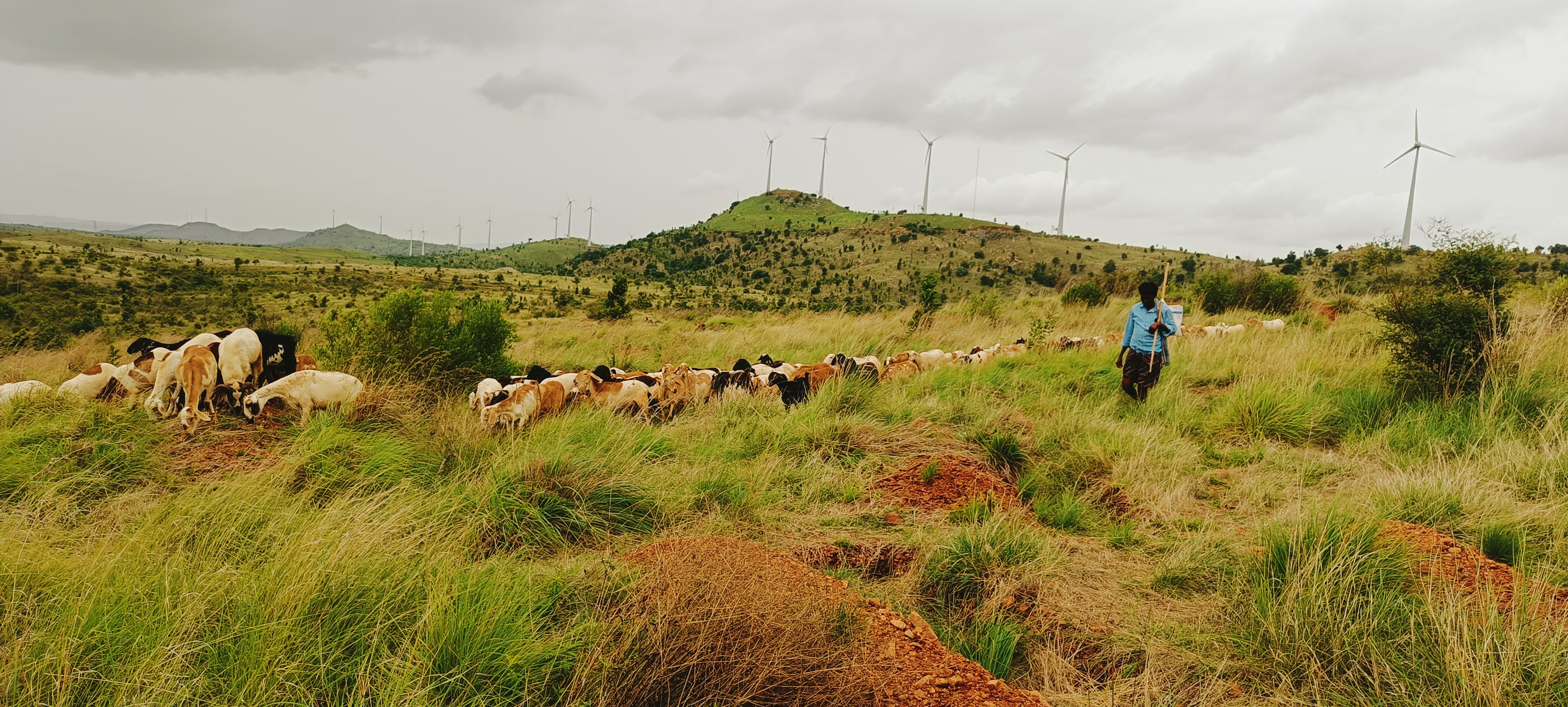
Livelihoods: The Kalpavalli area is officially designated by the government as "wastelands", a contentious term which is applied to lands which the government does not consider economically productive. These lands are technically administrated by the State Government, but in most cases are either ignored or given to companies to establish factories or industrial estates. However, the Kalpavalli conservation approach ensures that traditional grazing and usage rights by communities are recognised. This facilitates sustainable land use centred on grazing, harvesting of non-timber forest produce, and more. The approach further promotes community management of common resources, joint responsibility for land protection, access to income generation from minor forest produce – all based on sustainable resource management.
Ownership and rights to resources: Grazing lands are largely under the technical ownership of the government, where traditional usage rights are permitted but not awarded legal status. The main challenge here is uncertainty about long-term ownership and rights to access. The approach therefore aims to secure usage, control, and ownership rights for the local community users. This is enabled through the creation of a community cooperative. The NGO and the cooperative have together been exploring various legal options to secure community ownership of the land.
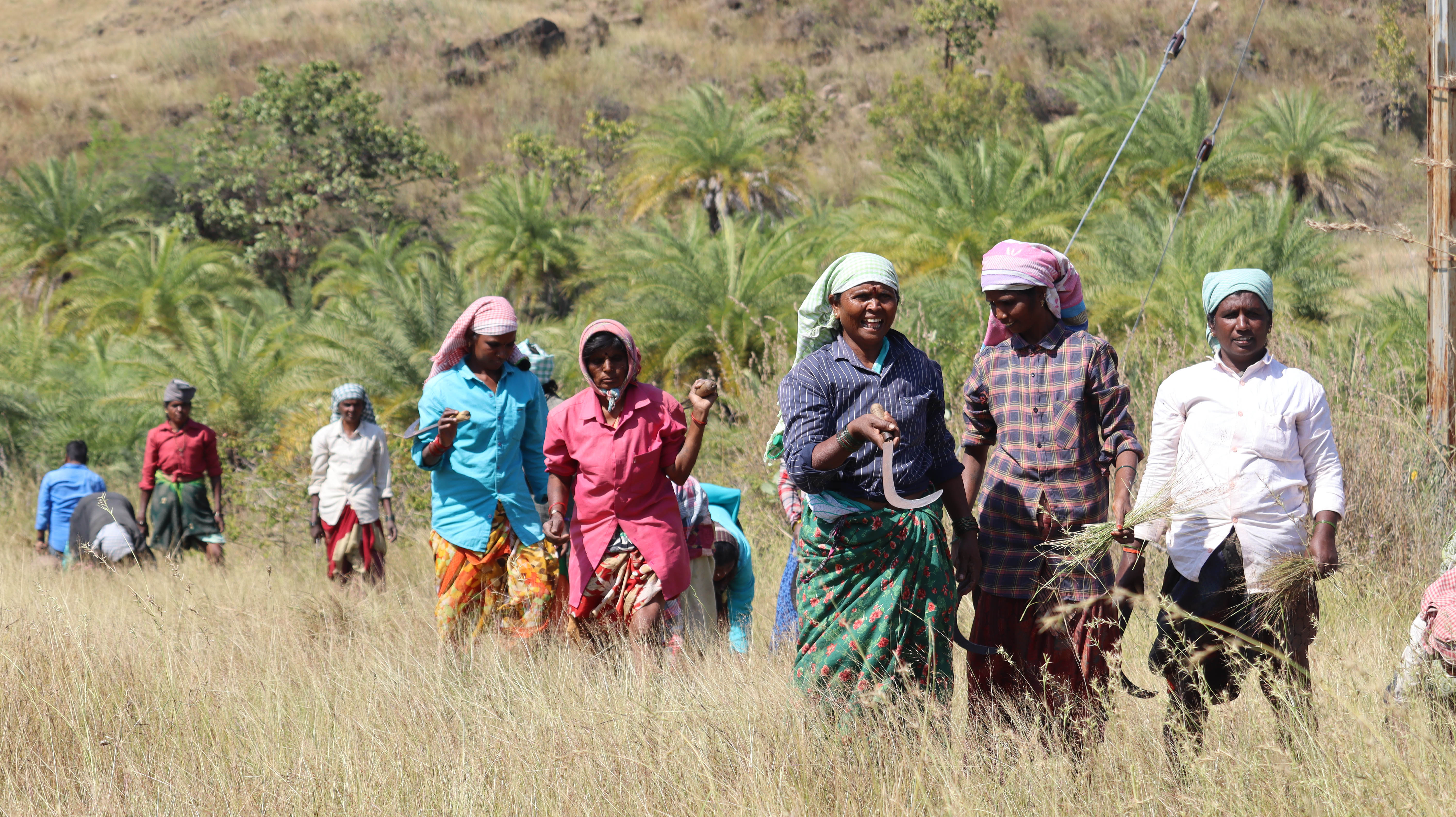
Participation: The approach relies on social and technical methods, emphasizing community engagement. Social techniques include street theatre, community outings, participatory discussions, and voluntary service (“Shramadhanam”) to educate and mobilize the largely illiterate population.
Membership and monitoring: Members contribute an annual fee to access grazing and fuelwood collection. The approach includes policies for both protecting and monitoring common resources.
Organization development: Capacity-building, conflict resolution and organization management are facilitated through training and workshops.
Enterprise development: The community cooperative has launched eco-tourism initiatives to generate income, reinvesting profits into conservation efforts.
2. Technical
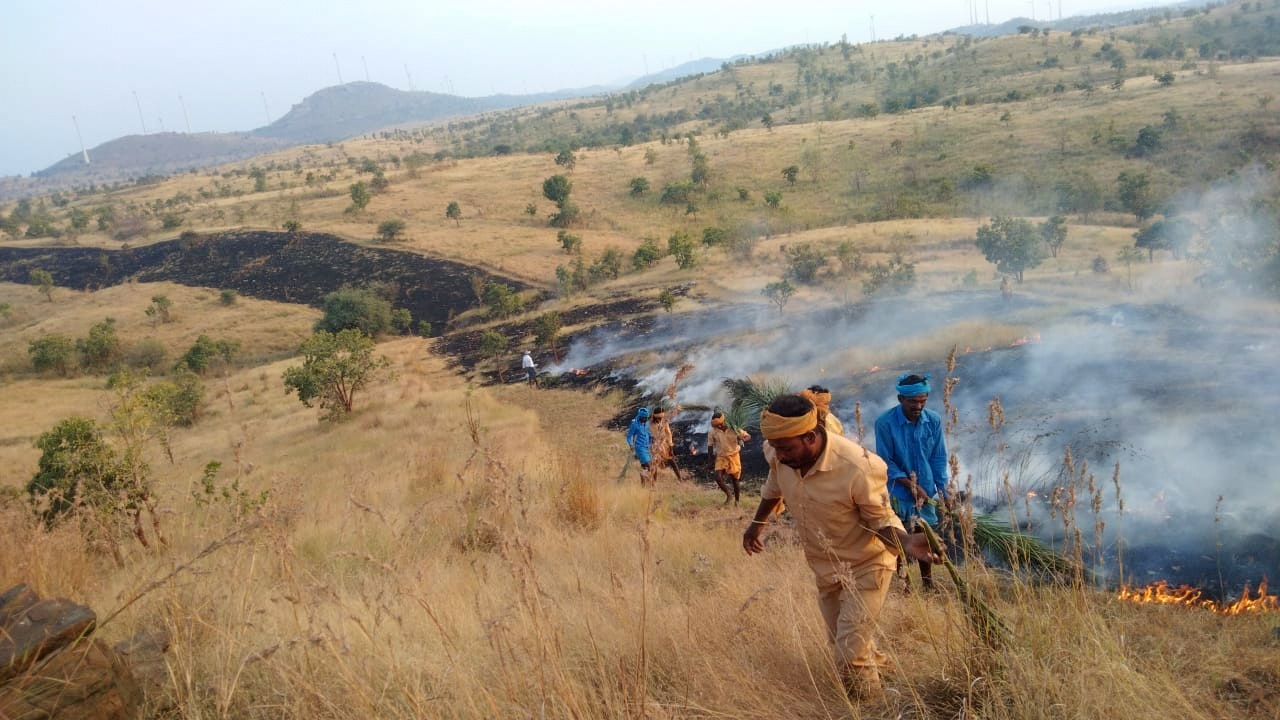
Restoration: The initial focus was on land protection, as common lands were degraded. In the initial years a key focus was on planting but then restoration work was modified as the land responded. Efforts have included protection from logging, creating firebreak lines, seed collection of native species, stream clearing, rotational grazing management, constructing rock-filled dams - and other watershed development work.
Protection of the commons: Stones were used to demarcate the land, and volunteer groups ("Vana Samrakshana Samithi") were established to prevent overgrazing and protect the area from uncontrolled fires.
Earthworks: Soil and water conservation measures such as rock-filled dams and earth bunds were introduced to reduce soil erosion and enhance groundwater recharge.
Research and management plans: Researchers helped map and share understanding of biodiversity. Biodiversity conservation, including both flora and fauna became a focus, with savannah ecology management plans developed.
Trees and vegetation: Initial attempts at using nurseries for propagation met with little success - and were replaced by seed broadcasting and propagation of local wild species. Seed huts were built to store seeds gather from this indigenous vegetation.
Photos of the Approach
- 📍 Kalpavalli Community Conservation Area
- 📷 Timbaktu Collective

- 📍 Kalpavalli Community Conservaiton Area
- 📷 siddharth rao
- 📍 Kalpavalli Community Conservation Area
- 🗓 2021-08-10
- 📷 Timbaktu Collective
- 📍 Kalpavalli Community Conservation Area
- 📷 Timbaktu Collective
- 🗓 2022-07-09
- 📷 Timbaktu Collective

- 📷 Siddharth Rao

- 📷 siddharth rao