The soil doctor network for integrated farming
Type: Approaches
Creation: 2024-08-16 09:02 Updated: 2025-01-10 13:34
Compilers: Areerat Wangkaew
Reviewers: William Critchley, Rima Mekdaschi Studer
Country/ region/ locations where the Approach has been applied
- Country: Thailand
- Region/ State/ Province: Non Daeng sub-district, Non Sila district, Khon Kaen province
- Map: View Map
Description of the SLM Approach
Short description of the Approach
A “soil doctor” network in Khon Kaen province has transformed saline areas previously dedicated to rice cultivation into sustainable, integrated farming systems.
Detailed description of the Approach
Most agricultural areas in Northeast Thailand rely on rainfall, and some face the added challenge of saline soils. Rice is the dominant crop, cultivated primarily under rain-fed conditions. However, climate variability has intensified, leading to changes in rainfall distribution and creating further uncertainty for farmers. Additionally, labour shortages have emerged due to an ageing population and rising labour costs. In response to these challenges, adjusting the agricultural system from monoculture rice cultivation to integrated farming offers a viable alternative for enhancing sustainability. Integrated farming promotes product diversity and food security, helping farmers reduce risks associated with climate variability and market fluctuations.
The Soil Doctor Network, a community-based initiative supported by the Land Development Department, plays a pivotal role in promoting sustainable land management. The program trains and empowers local farmers to become volunteer “soil doctors” who serve as local experts and advisors. These soil doctors undergo extensive training in soil management, integrated farming techniques, and sustainable agricultural practices. They assist fellow farmers in improving soil health and adopting more resilient farming methods. Soil doctors are organized into local networks at the village or sub-district level. Experienced soil doctors lead these networks, acting as coordinators to ensure effective communication and collaboration among members. They also liaise with government agencies to secure technical support, financial assistance, and up-to-date information on sustainable farming practices.
A Soil Doctor Network’s impact can be witnessed in Ban Doo Noy, Non Daeng sub-district, Non Sila district, Khon Kaen province. This area, previously dedicated to monoculture rice cultivation conducted once a year, has undergone significant transformation through the adoption of integrated farming. Farmers have leveled fields, widened levees, dug ponds, drilled artesian wells, and diversified their crop production. Today, the farms in Ban Doo Noy feature a variety of crops, including rice, papaya trees, bananas, and grass for livestock grown on the levees, alongside vegetable cultivation. Post-harvest crops such as sunn hemp, sweet corn, sugar cane, and cattle raising have been incorporated, further enhancing productivity and resilience. The integrated farming system has also effectively addressed the issue of saline soils by improving soil structure, preserving moisture, and reducing salinity accumulation. The use of cover crops, crop rotation, and organic matter enrichment has played a crucial role in mitigating soil salinity and preserving the natural ecosystem. These sustainable practices have improved soil fertility and water retention, enabling farmers to maintain long-term agricultural productivity.
Through the sustained efforts of the Soil Doctor Network, local land users in Northeast Thailand are now better equipped to manage their land sustainably. By fostering knowledge-sharing and community-driven initiatives, the network has empowered farmers to reduce their reliance on external support while ensuring long-term productivity and resilience in the face of climate and economic challenges.
Photos of the Approach
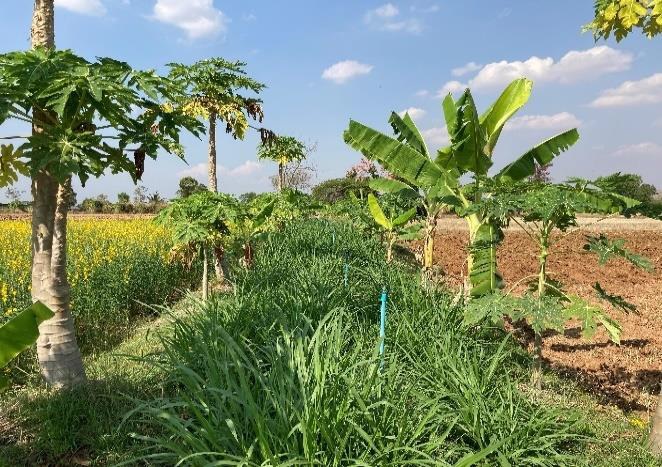
- 📷 Supranee Srithanboon
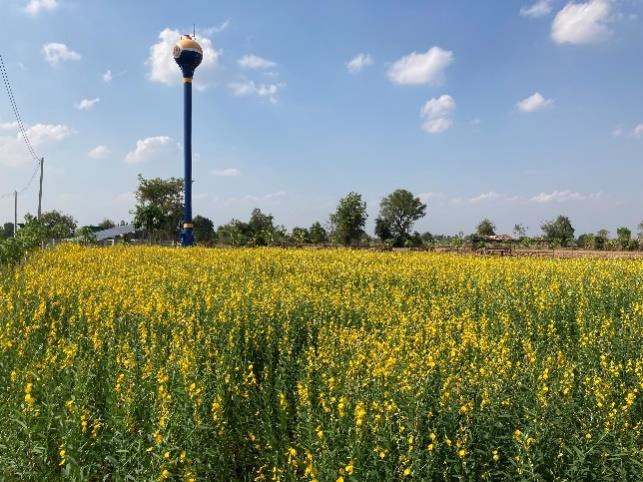
- 📷 Supranee Srithanboon
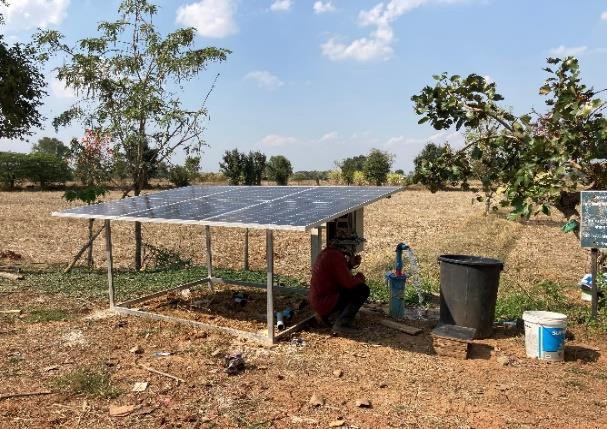
- 📷 Supranee Srithanboon
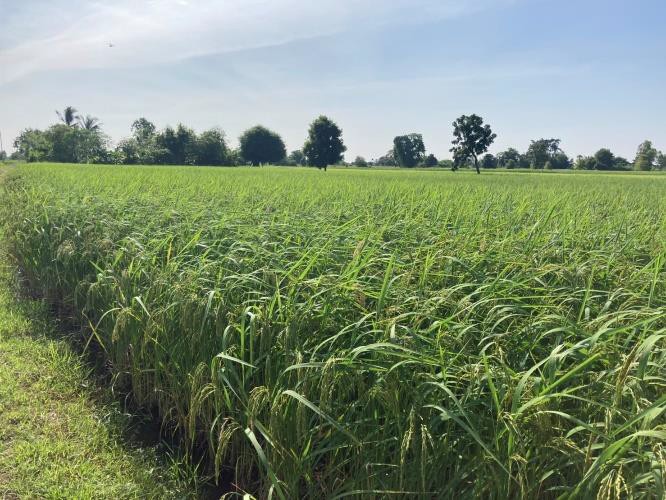
- 📷 Supranee Srithanboon