Stakeholder collaboration for building Learning Site for landscape restoration
Type: Approaches
Creation: 2025-01-09 07:13 Updated: 2025-11-04 05:38
Compilers: Mohammad Arif
Reviewers: Rima Mekdaschi Studer, Illias Animon, Muhammad Ishaq Safi
Country/ region/ locations where the Approach has been applied
- Country: Afghanistan
- Region/ State/ Province: Khost
- Further specification of location (e.g. municipality, town, etc.), if relevant: Sparkai Village, Baak district
- Map: View Map
Description of the SLM Approach
Short description of the Approach
To raise awareness and ensure clear role delineation, a series of consultations were held with the local community, the Forest Management/Rangeland Management (FM/RM) association, and other key stakeholders.
Memorandum of Understanding (MoU) that formally outlined the roles and responsibilities of each party was signed. Additionally, the FM/RM association issued a letter of guarantee to support the establishment of a learning site dedicated to promoting best practices in forest and rangeland management. (e.g. cumin) through community’s own contributions.
Detailed description of the Approach
For Sustainable Land Management (SLM) and biodiversity conservation in Khost, Afghanistan, we started with awareness campaigns in the districts. This mobilization aimed to introduce the project and Community-Based Natural Resource Management (CBNRM) planning, while identifying potential sites for project implementation.
Following the identification of these sites, we launched another awareness campaign to initiate participatory assessments of local natural resources, including forests and rangelands. This led to the development of CBNRM plans, through which we identified gaps in forest and rangeland management that required improvements and new intervention strategies. We also identified the critical issues of forest and rangeland degradation, as well as the needs of the local community, which allowed us to find alternative livelihood interventions to reduce reliance on natural resources.
We visited multiple sites with water availability near forests and rangelands to select the most suitable locations for our interventions.
Once sites were selected, we developed a Memorandum of Understanding (MoU) outlining the roles and responsibilities of each party involved, including FAO, the Forest and Rangeland Management (FM/RM) Association, and the local government. We also prepared a grant letter to ensure the sustainability and ownership of the project by the FM/RM Association.
After the establishment and completion of interventions at the sites, we conducted capacity-building sessions for the local community, FM/RM Association, nomadic groups, and stakeholders from local institutions. These sessions focused on teaching participants how to restore landscapes, specifically forests and rangelands.
The approach includes awareness campaigns, consultation meetings, participatory assessments, resource mobilization, capacity building, and the establishment of a Memorandum of Understanding (MoU) to ensure sustainability. The aim is enabling the local community, FM/RM Association, and stakeholders (Nomads, District and Provincial Agriculture, Irrigation, and Livestock (DAIL/ PAIL),and the National Environmental Protection Agency (NEPA)) to learn good practices for restoring land and forests while utilizing natural resources sustainably. This also involves enhancing the community's capacity to replicate and scale up similar initiatives. The approach is executed through a community-based traditional system, with contributions from both the project team and local communities.
The FM/RM Association has issued a maintenance grantee letter and hired guards to protect the site. Additionally, efforts are being made to mobilize villagers and nomadic groups to refrain from entering the area and grazing their livestock within the designated restoration site.
Key stakeholders include PAIL, NEPA, district entities, community institutions, and the FM/RM Association. PAIL and NEPA play crucial roles in helping the local community resolve land disputes and facilitating discussions related to land, water rights, and more. The local community and FMA/RMA are essential to the interventions, contributing to maintenance, safeguarding, dispute resolution over land, grazing management, irrigation, and replacing dead plants. FMA/RM Association serves as key stakeholder established by the project providing legal MoU, maintenance letters, and facilitating awareness and mobilization on-site while addressing any issues that arise during implementation. Land users appreciate capacity-building sessions during Focus Group discussions and key informant interviews, awareness-raising initiatives, and their involvement in practical implementation. However, they express concerns about cash contributions due to poverty and unemployment, preferring assistance in other forms.
Photos of the Approach
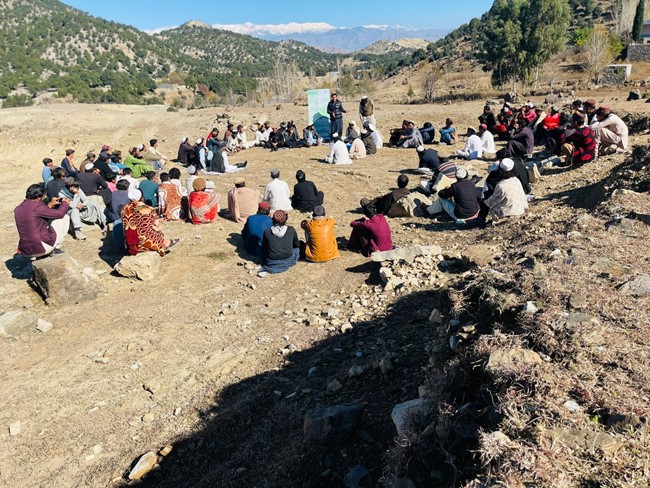
- 📍 Stra Mila, Sparkai village of Baak district- Khost
- 📷 Mohammad Aslam Hasand
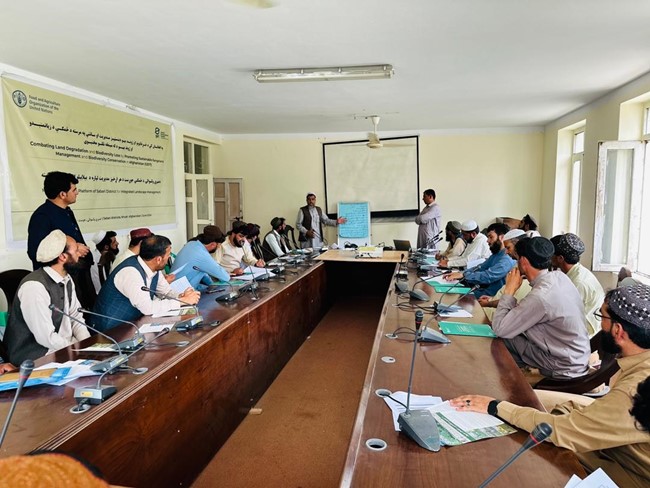
- 📍 Star Mila site, Sparkai Village of Baak district- Khost- Afghanistan
- 🗓 2023-01-06
- 📷 Samiullah Khalil
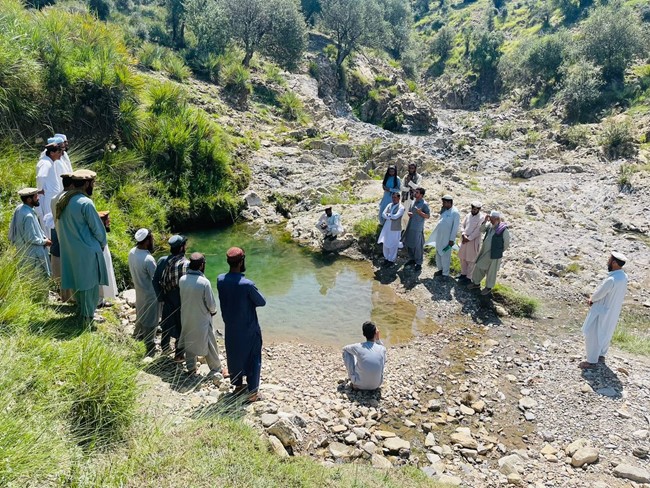
- 📍 Stara Mila Site, Sparkai village of Baak district- Khost- Afghanistan
- 📷 Mohammad Aslam Hasand
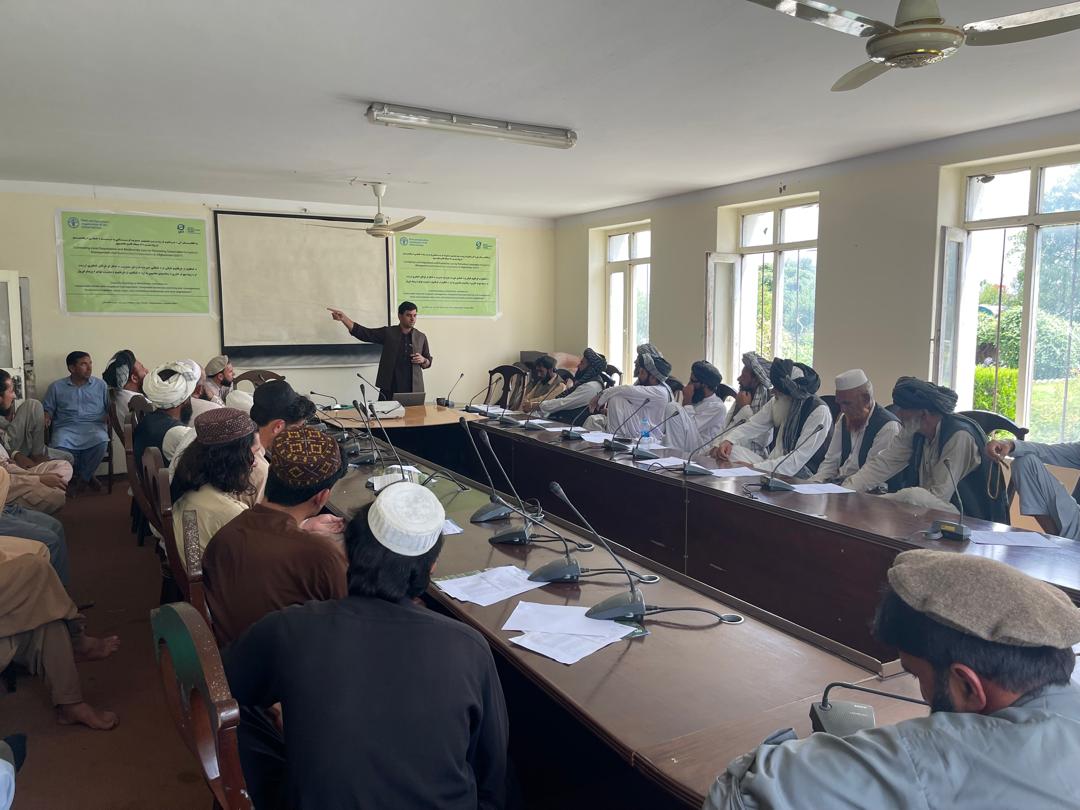
- 📍 Stara Mila site, Sparaki village of Baak district- Khost- Afghanistan
- 🗓 2023-07-06
- 📷 Mohammad Arif
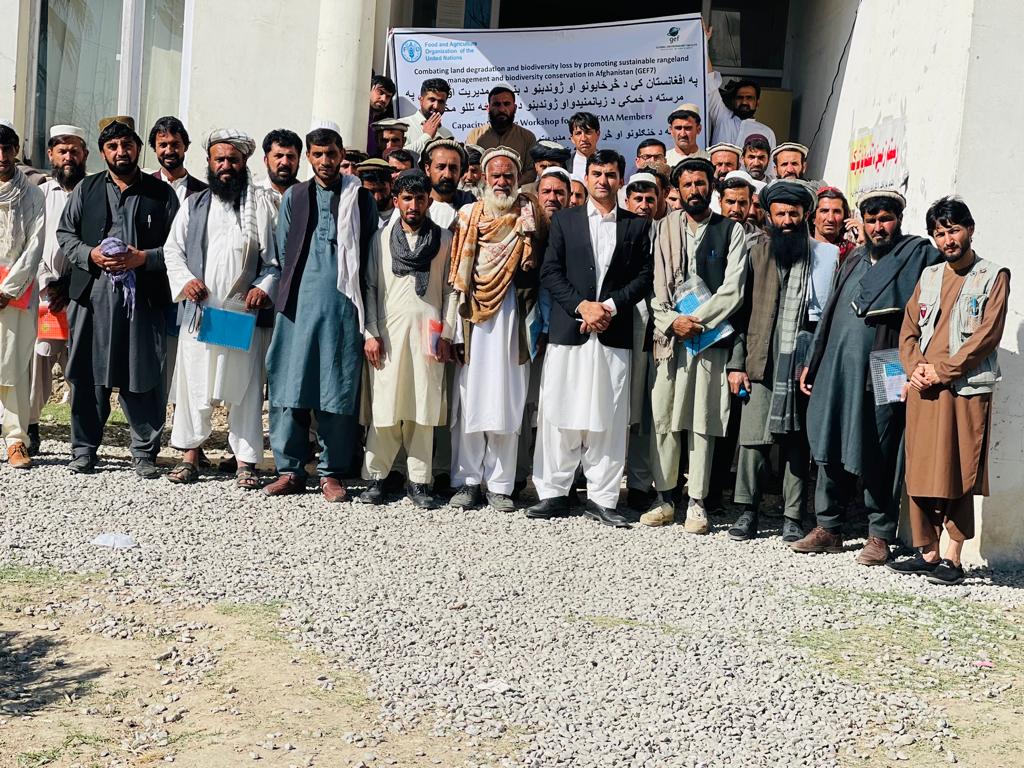
- 📍 Stara Mila Site, Sparkai village of Baak district- Khost- Afghanistan
- 🗓 2023-08-06
- 📷 Samiullah Khalil