Water Use Management Plan (WUMP)
Type: Approaches
Creation: 2016-11-25 08:54 Updated: 2017-10-04 08:22
Compilers: Eveline Studer
Reviewers: Alexandra Gavilano, Nicole Harari, Hanspeter Liniger
Country/ region/ locations where the Approach has been applied
- Country: Pakistan
- Region/ State/ Province: Dera Ismail Khan Thensil (sub-division), Khyber Pakhtunkhwa (province)
- Map: View Map
Description of the SLM Approach
Short description of the Approach
The overall purpose of WUMP is to compile an inventory of available water ressources in a particular geographical or administrative area, to identify communities' priorities in order to achieve an effective, equitable and efficient use of water resources at local level. This approach promotes a participatory and inclusive analysis and implementation of measures for a sustainable management of water, land and related resources.
Detailed description of the Approach
The WUMP approach has the following specific objectives:
- to assess water available resource, existing uses and requirements
- to determine water access rights and equity issues through inclusive and interactive dialogues
- to plan and manage water resources - considering multiple needs and uses - in a participatry manner.
- to prioritise required measures, considering climate change and disaster risks
- to promote coordinated water resource development for different stakeholders
- to promote a sustainable use of water, protecting water resources and preservation of the environment
- to strengthen local institutions
- to include economically and socially disadvantaged groups
- to promote an interactive dialogue for improvement of regulatory frameworks and policies in the water sector.
The methode involves field visits by field team to collect information from the community, which is done through focus group discussion, preparation of village maps, social and technical questionnaires
The WUMP process consists of four main stages: 1) Preparation; 2) Assessment/analysis of information ; 3) Planning ; 4) Implementation (see flow chart with according sub-steps).
The process and results of a WUMP:
Is based on a participatory process, which promote inclusiveness. It fosters coordination and collaboration among different local stakeholders including government, communities and private sector and helps to establish the baseline situation and a comun understanding. Land users and other local actors appreciate this approach as it promotes a participatory, transparent process for an equitable distribution of water and a sustainable management of water related resources. The approach helps to overcome potential economic or socio-cultural barriers, by providing a comun space for joint analysis, discussion and solution finding by facilitating interaction between stakeholders of different contexts.
Photos of the Approach
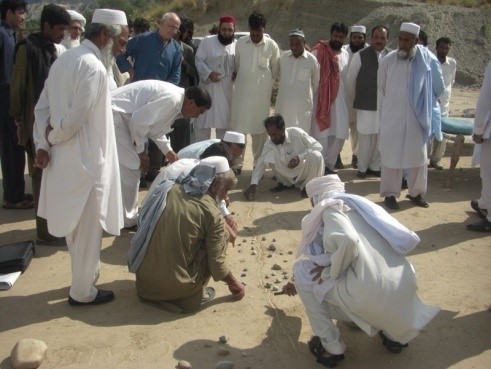
- 📍 Karak, Khyber Pakhtunkhwa Pakistan
- 🗓 2026-06-04
- 📷 Muhammad Yousaf
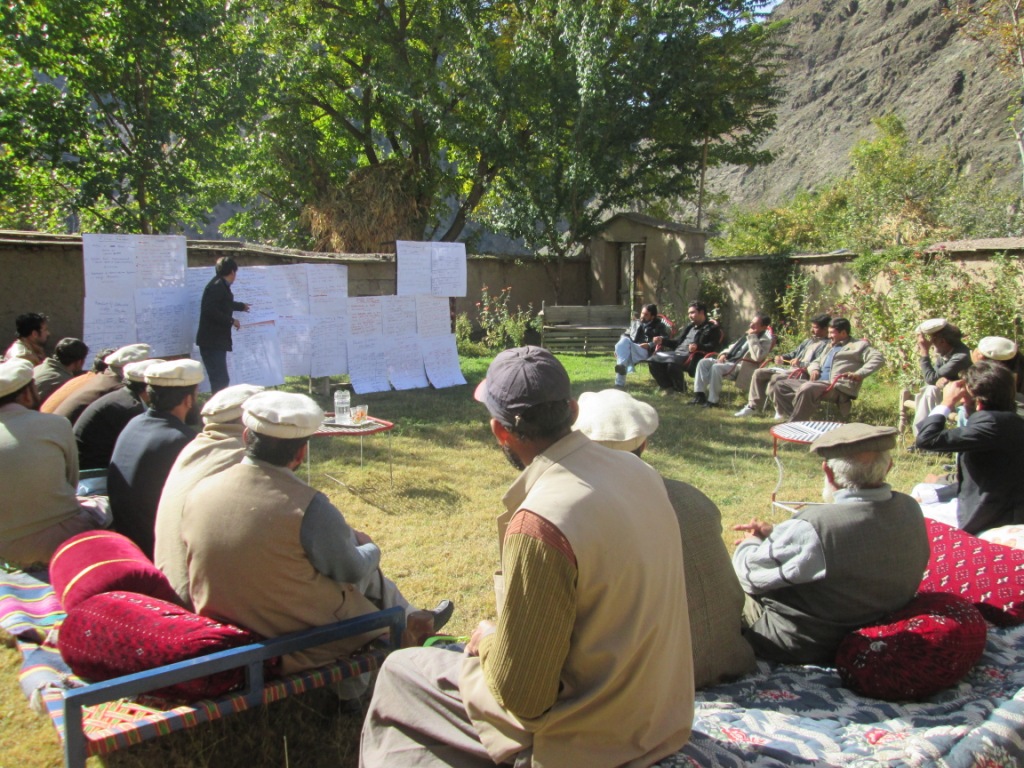
- 📍 Karak, Khyber Pakhtunkhwa Pakistan
- 📷 Muhammad Yousaf