
Community based reforestation initiatives to restore degraded forest and rangeland
Type: Approaches
Creation: 2025-01-12 07:32 Updated: 2025-05-07 06:48
Compilers: Mohammad Aslam Hasand
Reviewers: Rima Mekdaschi Studer, Illias Animon, Muhammad Ishaq Safi
Country/ region/ locations where the Approach has been applied
- Country: Afghanistan
- Region/ State/ Province: Khost
- Further specification of location (e.g. municipality, town, etc.), if relevant: Sapari forest, Sabari district, Khost, Afghanistan
- Map: View Map
Description of the SLM Approach
Short description of the Approach
Community-driven reforestation initiative that involves awareness-raising, capacity building, feasibility analysis, and collaboration among various stakeholders to address land degradation and promote sustainable forest and rangeland management
Detailed description of the Approach
The main aim of this approach is to contribute to ecosystem restoration, biodiversity conservation and carbon sequestration through community awareness-raising, consultation and capacity building, feasibility analysis, site selection as well as resources mobilization for reforestation initiatives in Khost, Afghanistan.
This community driven initiative emerged, bringing together land users, forest and rangeland management associations, environmental experts, specialists and policymakers from various departments like Provincial Agriculture, Irrigation and Livestock, National Environment Projection Agency, District Agriculture, Irrigation and Livestock to heal the land, restore the forests, and rebuild the connection between people and nature.
The first step was to understand the root causes of degradation, followed by a detailed assessment to identify areas most in need of intervention. Priority was given to barren land stripped by erosion, degraded forests areas, and nutrient-depleted soils. The community incorporated traditional ecological knowledge shared by local elders, who recalled periods when the valley supported dense vegetation and thriving ecosystems. This was combined with modern ecological practices to develop a comprehensive restoration plan that balanced traditional knowledge with scientific innovation. The approach ensures awareness raising of the rural community, and knowledge and information enhancement on restoration of degraded forest and rangeland through reforestation initiatives in Khost, Afghanistan.
Specific objectives of the approach are:
1. To enhance the knowledge and awareness of rural communities in Khost, Afghanistan on restoring degraded forests and rangelands, including through public awareness, campaigns, community mobilization, consultations, and feasibility assessments, and mobilizing resources.
2. Involve key stakeholders actively in restoration, including Provincial Agriculture Irrigation and Livestock (PAIL), Provincial National Environmental Protection Agency (NEPA), District Agriculture Irrigation and Livestock department (DAIL), Forest and Rangeland Management Association (FM/RM Association).
3. To enhance the capacity of Forest and Rangeland Management Association (FM/RM Associations) and local communities for effective restoration of degraded forests and rangelands through reforestation initiatives in Khost, Afghanistan.
4. To restore degraded forests and rangelands by enhancing knowledge, skills, and resources for sustainable management. This includes empowering the FM/RM Associations by improving its members’ understanding, skills, capacity, and active participation in conservation and restoration efforts.
5. To restore habitat for strengthening biodiversity conservation.
Photos of the Approach
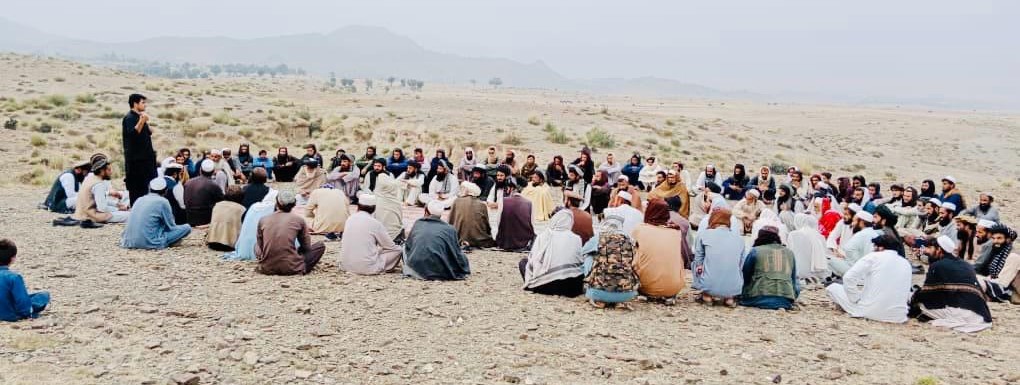
- 📍 Sapari forest, Sabari district of Khost, Afghanistan
- 📷 Mohammad Aslam Hasand
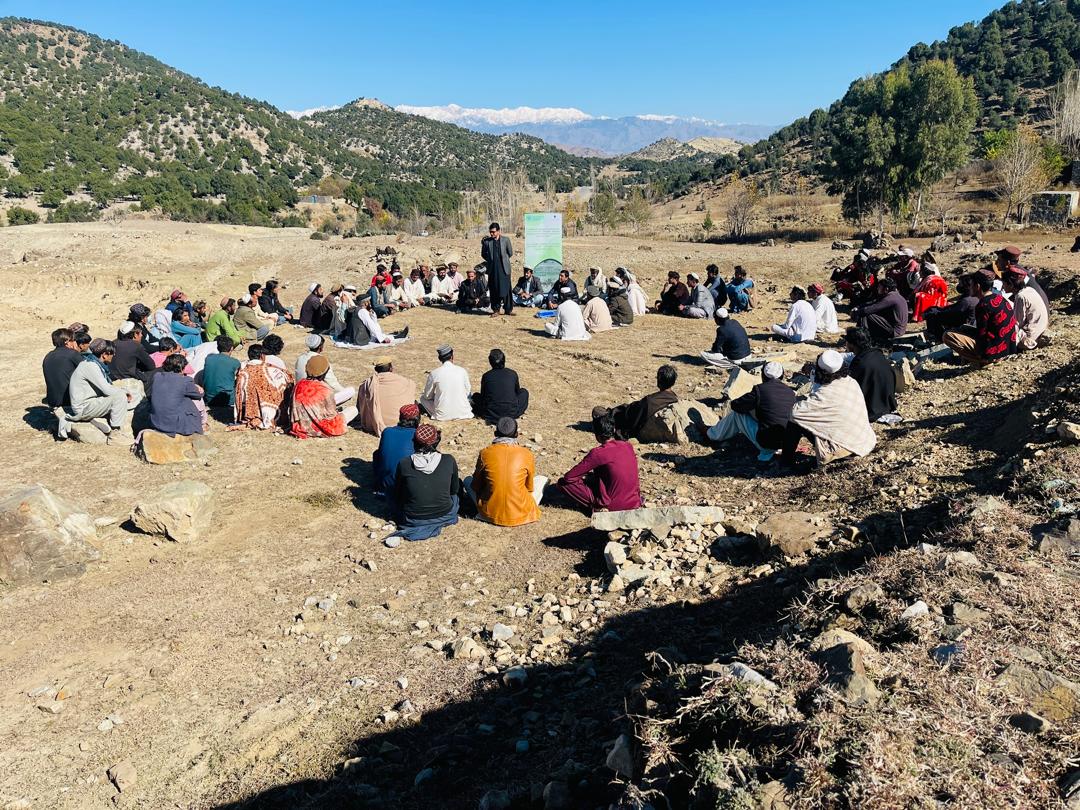
- 📍 Sapari forest, Sabari district of Khost Afghanistan.
- 📷 Mohammad Aslam Hasand