
Ecosystem based Adaptation (EbA) through Farmers’ Collectives for Sustainable Management of Natural Resources
Type: Approaches
Creation: 2025-10-14 09:00 Updated: 2025-11-30 12:38
Compilers: Arun Bhagat
Reviewers: Udo Höggel
Country/ region/ locations where the Approach has been applied
- Country: India
- Region/ State/ Province: Jalna District in Maharashtra and Narayanpeth district in Telangana, India.
- Further specification of location (e.g. municipality, town, etc.), if relevant: Jalna and Naryanpeth Districts of India.
- Map: View Map
Description of the SLM Approach
Short description of the Approach
The Ecosystem-based Adaptation (EbA) with Farmer Collective (henceforth Farmer Producer Organisations (FPOs)) approach strengthens farmers’ resilience to climate change by integrating sustainable water- and land management, biodiversity enhancement and resources governance within farmers’ collectives. Implemented in semi-arid regions of Maharashtra and Telangana, the approach combines capacity building, improving soil health, through women-led green business aiming at enabling eco-sensitive and economically viable FPOs.
Detailed description of the Approach
The approach focused on introducing Ecosystem-based Adaptation (EbA) -compliant agricultural and natural resource management practices through farmers' collectives to manage agro-ecology and agro-business.
EbA uses existing biodiversity and ecosystem services as part of an overall climate change adaptation strategy to help adapting to the adverse effects of climate change (United Nations Convention on Biological Diversity, 2009). Important pillars are:
•Enhancing Adaptive Capacities of Communities,
•Improving Ecosystem Health and Biodiversity, and
•Promoting Participatory Governance
The approach was piloted in semi-arid regions of Maharashtra and Telangana States wherein human induced land degradation is taking place. The EbA approach through Farmer Producer Organisations (FPOs) aims to strengthen the adaptive capacities of small and marginal farmers and promotes the sustainable management of land, water, and crop-diversity while improving livelihoods and institutional capacities of FPOs.
In Maharashtra, two FPO villages (Goshegaon and Deulgaon Kaman) implemented climate-resilient agriculture, organic inputs, and multilayer farming demonstrations. In Telangana, one FPO (Jeevandhara Mutually Aided Cooperative Society) adopted organic and water-efficient farming practices.
Prior to implementing this approach, various tools and methodologies were adopted to understand the baseline condition of the project locations. The tools include:
•Community-Driven Vulnerability Assessments (CoDriVE)
•Community-Driven Visual Integrator (CDVI) for participatory resource mapping and;
•Transformative Scenario Planning (TSP) to help farmers collective understand the future scenario of land and water resources and the action needed to reduce resulting vulnerabilities.
This was done with the continuous involvement of village level institutions like Gram Panchayats (Councils) , EbA-Committees and FPOs to strengthen the governance of land and water resources. The assessment of Land Surface Temperature in both locations helped understand that increasing land surface temperature contributes to degrading soil and biodiversity in the area. This observation helped FPOs in planning their EbA interventions.
Such participatory tools helped identify ecological and social risks, prioritize actions, and co-develop site-specific adaptation interventions. Project interventions included:
•water budgeting
•reducing water intensive crops and monocropping
•promoting organic and bio-input production through green business activities (vermicomposting and 10-drum composting to improve soil health)
•multi-layer farming (at school and women leaded household) to improve food and nutritional security
•livestock integration and;
•establishment of green businesses operated by women farmers group to promote local organic input availability.
In their endeavour to implement EbA, farmers were provided with crop, weather, market, and livestock advisories through the ‘FarmPrecise’ application developed by WOTR.
The process followed a structured multi-step implementation pathway starting from:
•village selection
•vulnerability analysis
•FPO engagement
•Gram Panchayat resolution
•EbA committee formation at village level ensuring inclusive representation of smallholders, women, and marginalized groups
•training and exposure visits were conducted for FPO directors and members to enhance understanding of climate change, sustainable agriculture and biodiversity management.
•on-ground implementation and;
•capacity building
The approach effectively mobilized directors and members of farmers collectives, local governance institutions, local government officials and private sector partners. Convergence with government schemes like the National Bank for Agriculture and Rural Development (NABARD), the Agricultural Technology Management Agency (ATMA), the Project on Climate Resilient Agriculture (PoCRA), and the Mahatma Gandhi National Rural Employment Guarantee Act (MGNREGA)) enhanced resource efficiency and sustainability.
Overall, the EbA with FPOs approach demonstrated that farmers’ collectives can act as eco-governance entities by combining agribusiness operations with sustainable ecosystem management. It built local capacities, promoted gender equity, strengthened institutions, and showcased the potential of FPOs as key actors in advancing climate-resilient, ecosystem-based rural development.
Photos of the Approach
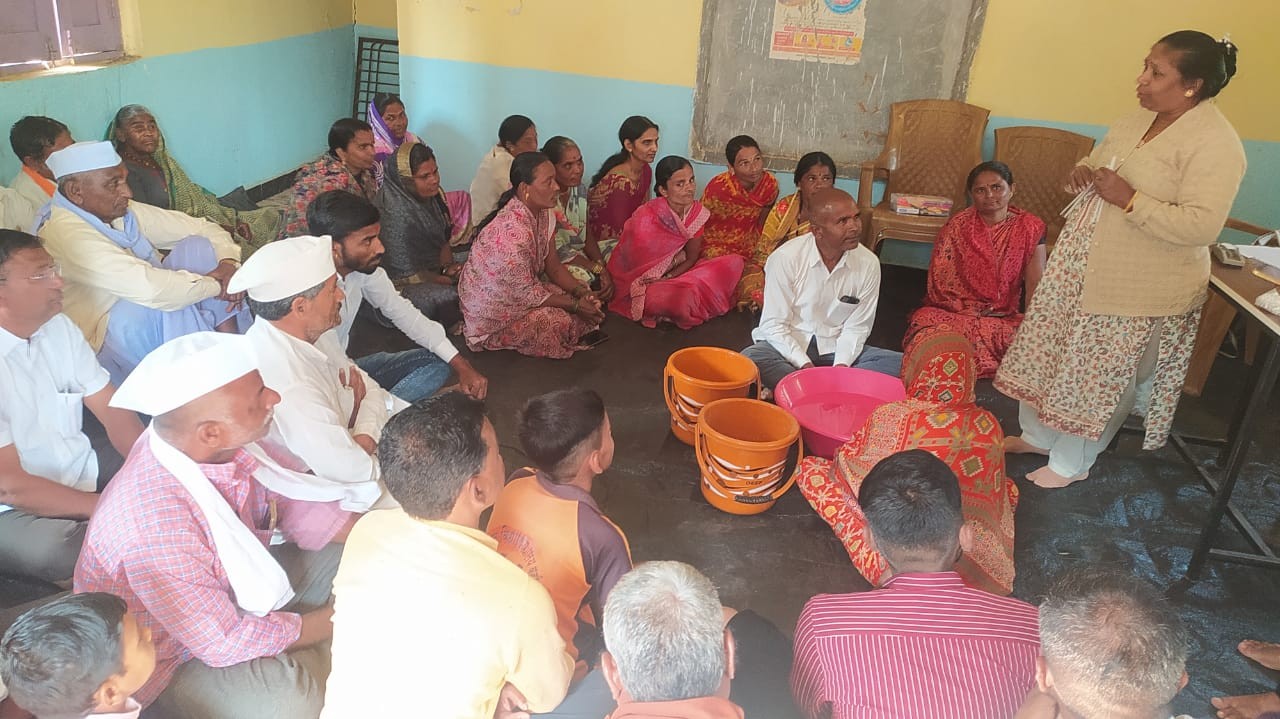
- 📍 Village-Deulgaon Kamam, Bhokardan Taluka of the Jalna District
- 🗓 2023-01-06
- 📷 Dada dadas
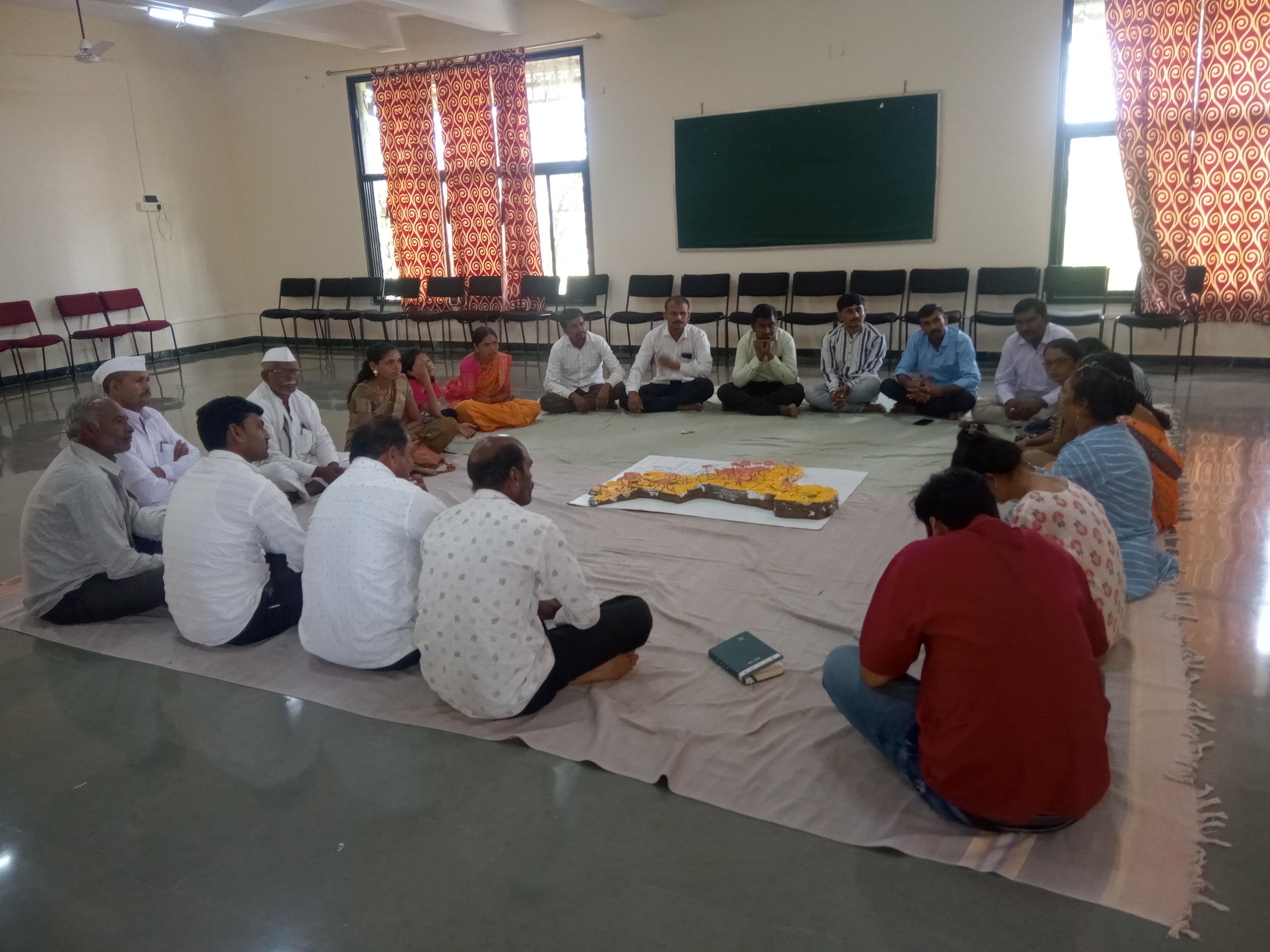
- 📍 Darewadi, Post. Kauthe Malkapur Tal. Sangamner, Dist. Ahilyanagar, Maharashtra, Maharashtra, India
- 🗓 2023-09-08
- 📷 Dada dadas
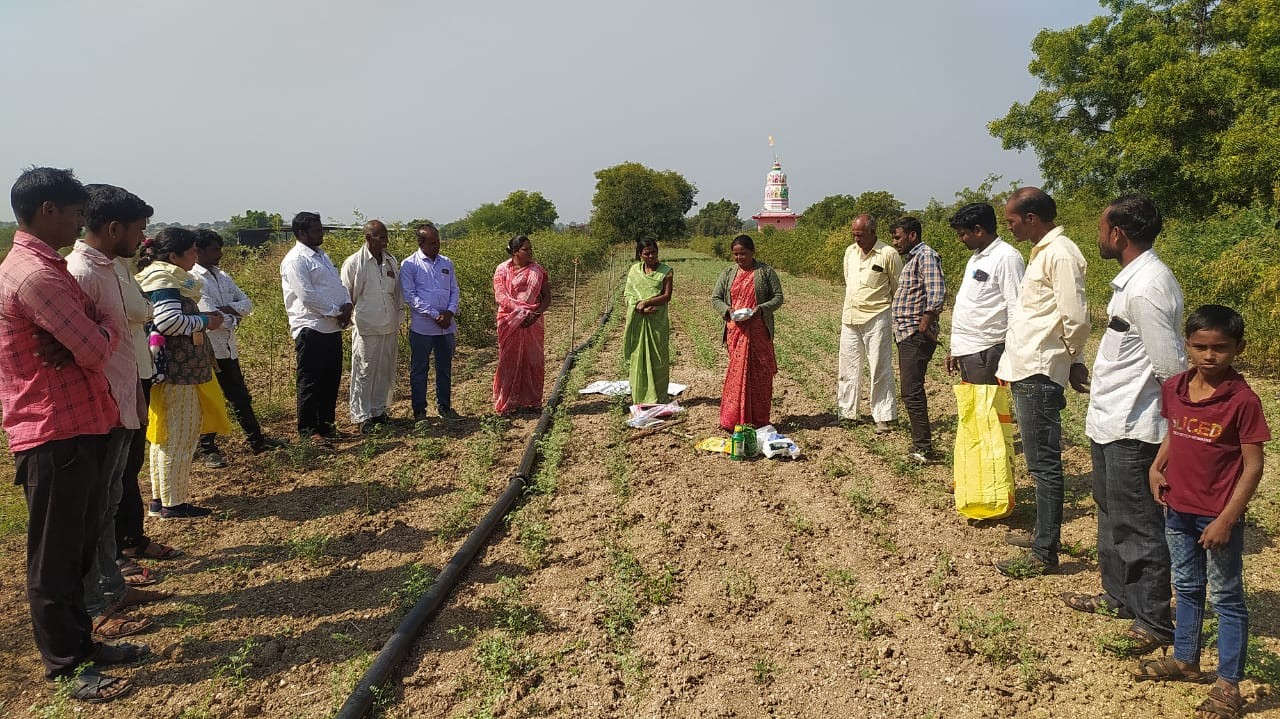
- 📍 Village-Deulgaon Kamam, Bhokardan Taluka of the Jalna District
- 🗓 2024-03-01
- 📷 Dada Dadas
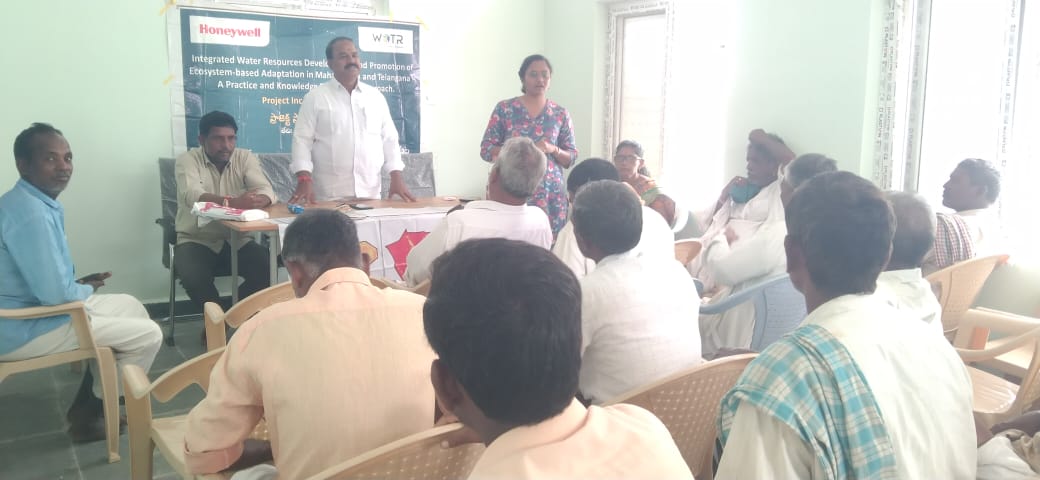
- 📍 Narayanpet, Telangana, India
- 📷 Dada dadas