
Orchard-based Agroforestry (intercropping)
Type: Technologies
Creation: 2011-03-08 13:59 Updated: 2021-11-02 15:02
Compilers: Erik Bühlmann
Reviewers: David Streiff, Alexandra Gavilano, Joana Eichenberger
Country/ region/ locations where the Technology has been applied and which are covered by this assessment
- Country: Tajikistan
- Region/ State/ Province: Tajikistan
- Further specification of location (e.g. municipality, town, etc.), if relevant: Faizabad Rayon
- Map: View Map
Description of the SLM Technology
Short description of the Technology
Intercropping of wheat in an existing orchard that was established during the Soviet period.
Detailed description of the Technology
The technology involves intercropping wheat in an existing apricot orchard, that was established during soviet times to increase farm production, by integrating different resources in an environment protected from soil erosion. The intercropped area is ploughed by tractor. In general, farmers do not practice crop rotation since they usually allocate cereal production to the most fertile field plots of their farm.
Along the trees aligned on contour, a three metre wide grass strip is left uncultivated to control runoff, and to protect the ground from splash erosion. Spacing between rows is 13 metres, which allows unhindered farm operations.
Most orchards in Faizabad Rayon were established during Soviet times. Tree rows were planted close together in order to obtain maximum yields from the orchard monoculture systems. Some of the tree rows were removed, allowing more space for intercropping.
Purpose of the Technology: The technology is applied in existing orchards which generally range between 10-25% in gradient. In existing orchards, intercropping alone is relatively cost intensive. Harvesting two crops at a time increases overall farm production and improves food security since harvests of intercropped food crops are found to be more reliable than those on exposed annual cropland. However, many orchards are still owned by state farms which usually do not practice intercropping. Since management of fruit trees require considerable labour and material inputs (e.g. chemicals for pest/disease control as well as fertilisers) which often cannot be met by farmers, yields of fruit trees have declined after the privatisation of these areas. Furthermore, farmers often lack knowledge of appropriate orchard management techniques and miss opportunities to gradually replace old trees by new seedlings.
Photos of the Technology
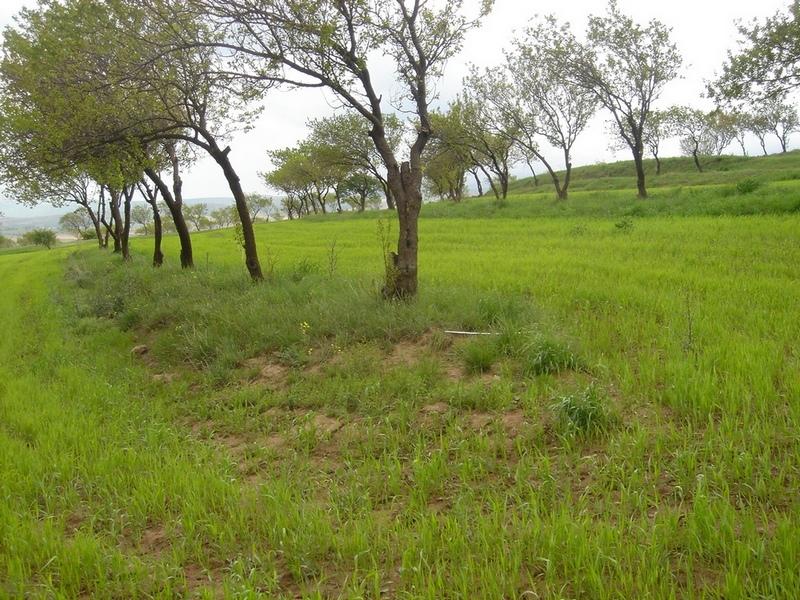
- 📍 Chinoro, Faizabad Rayon, RRS
- 🗓 2005-12-05
- 📷 Erik Bühlmann (Berne, Switzerland)
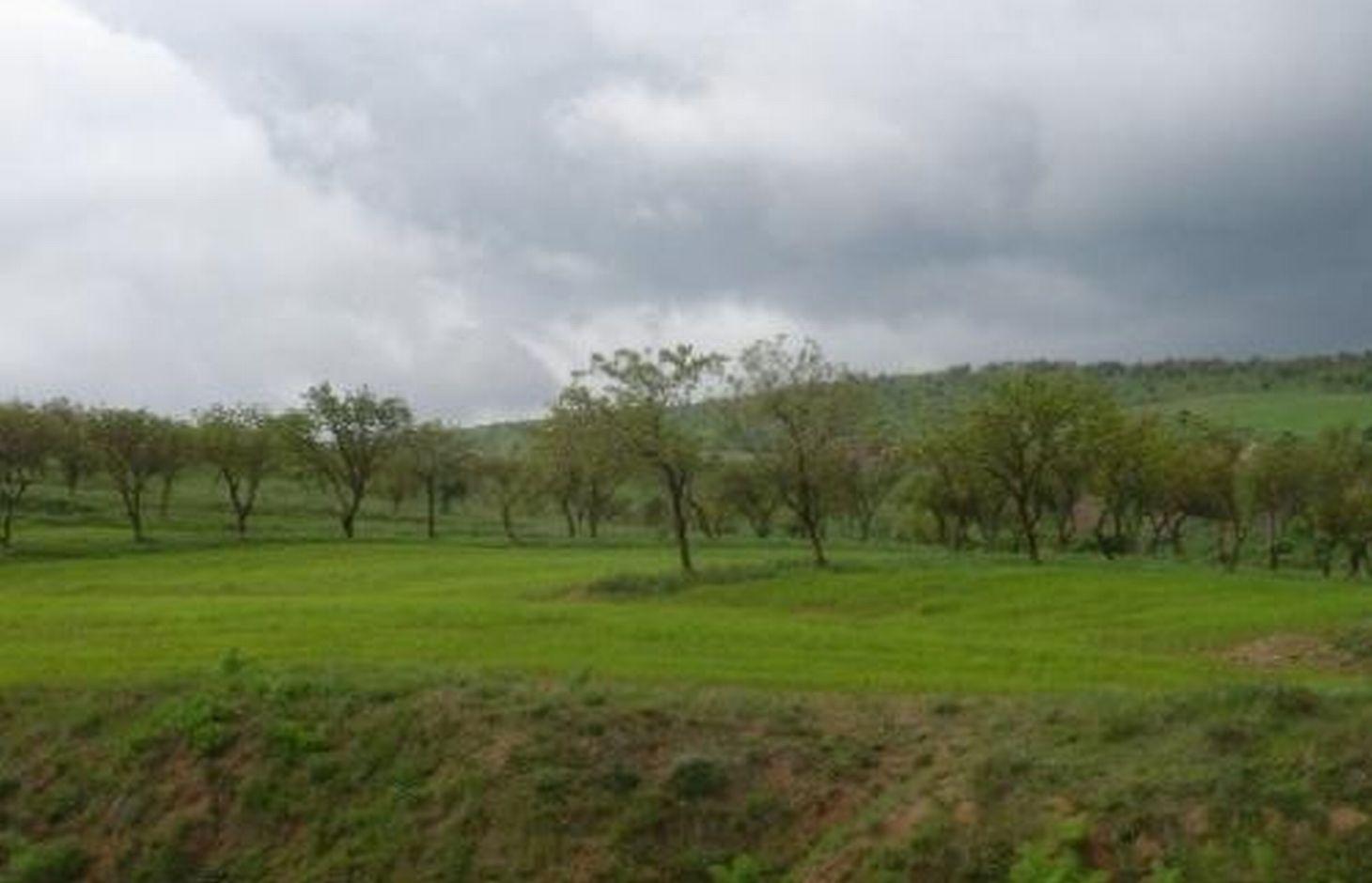
- 📍 Chinoro, Faizabad Rayon, RRS
- 🗓 2005-12-05
- 📷 Erik Bühlmann (Berne, Switzerland)
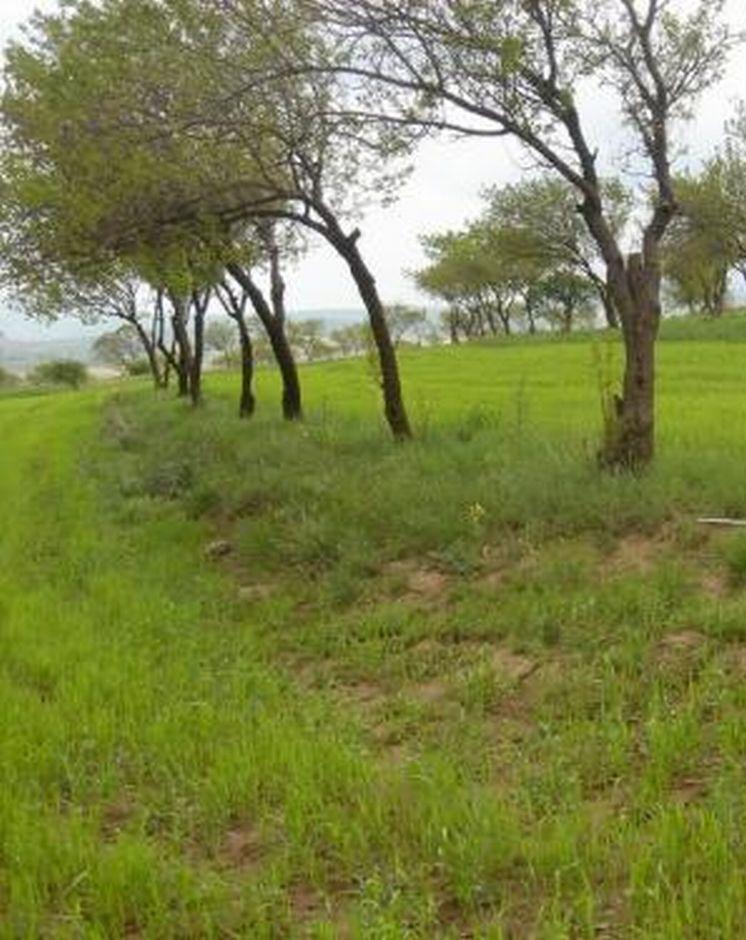
- 📍 Chinoro, Faizabad Rayon, RRS
- 🗓 2005-12-05
- 📷 Erik Bühlmann (Berne, Switzerland)