Residue Incorporation (Corn)
Type: Technologies
Creation: 2011-06-14 19:10 Updated: 2019-06-13 16:58
Compilers: Philippine Overview of Conservation Approaches and Technologies
Reviewers: Deborah Niggli, Alexandra Gavilano
Country/ region/ locations where the Technology has been applied and which are covered by this assessment
- Country: Philippines
- Region/ State/ Province: Bukidnon
- Further specification of location (e.g. municipality, town, etc.), if relevant: Bukidnon
- Map: View Map
Description of the SLM Technology
Short description of the Technology
Incorporation of corn stalks during land preparation for the succeeding crop.
Detailed description of the Technology
The technology is practiced in corn farm. It involves the incorporation of stalks and leaves, usually chopped, during the land preparation for the suceeding crop. Corn ears are harvested manually. After harvesting, the stalks are cut and spread on the farm. This provides surface protection to the soil during the turn-around period when erosive rainfall events can occur. After a 2-3 weeks turn-around period, land preparation for the succeeding crop starts. Land preparation can either be by machine or animal. The crop residues are incorporated during plowing which is done twice. The technology is intended to increase organic matter and other nutrients through recycling, improve soil structure and porosity and increase soil water holding capacity. The more common practice done in the past in disposing crop residue is by burning. Residue incorporation has added benefits in that it lessens the emission of gases, particularly carbon dioxide which contributes to global warming.
Photos of the Technology
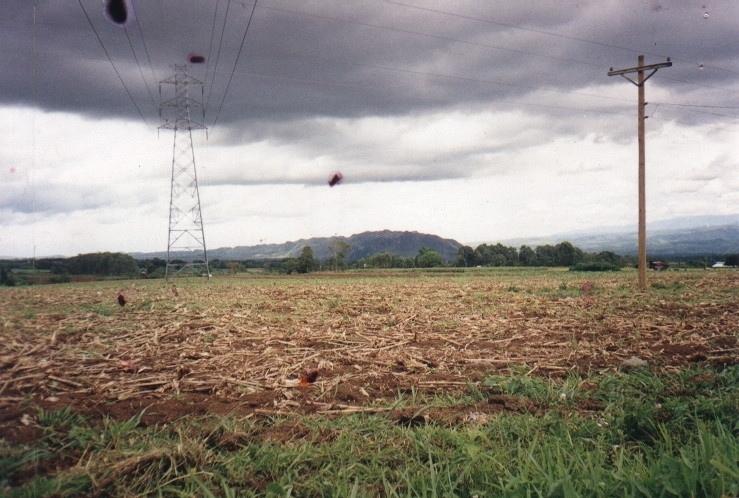
- 📍 Malaybalay, Bukidnon
- 📷 A. Salaum and R. Gallano
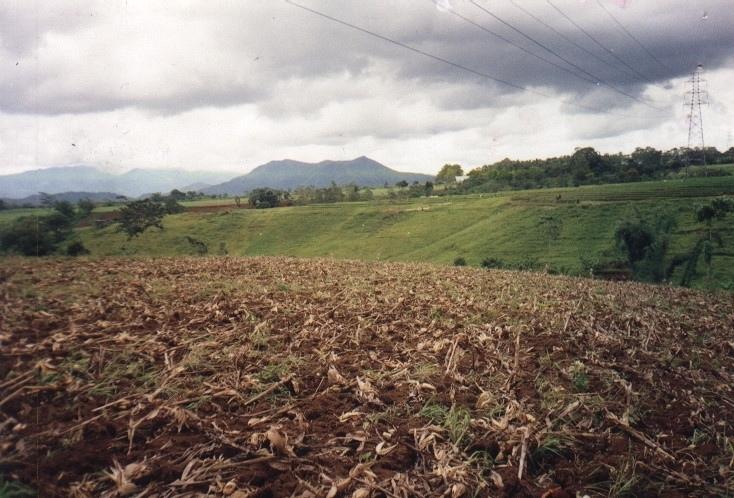
- 📍 Malaybalay, Bukidnon
- 📷 A. Salaum and R. Gallano
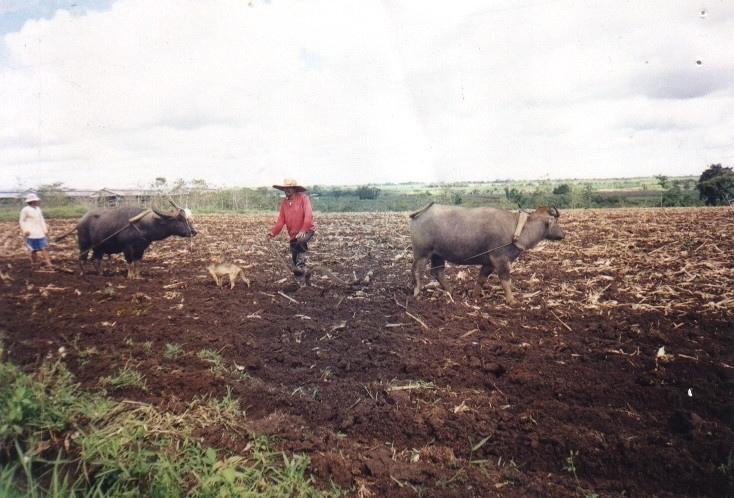
- 📍 Malaybalay, Bukidnon
- 📷 A. Salaum and R. Gallano