
Water saving through reuse of return flow in paddy fields
Type: Technologies
Creation: 2015-07-24 14:01 Updated: 2019-08-11 11:17
Compilers: Justyna Sycz
Reviewers: David Streiff, Deborah Niggli, Alexandra Gavilano
Country/ region/ locations where the Technology has been applied and which are covered by this assessment
- Country: Viet Nam
- Region/ State/ Province: Quang Nam
- Further specification of location (e.g. municipality, town, etc.), if relevant: Dien Ban
- Map: View Map
Description of the SLM Technology
Short description of the Technology
Return flow from paddy fields is strategically collected before being lost to rivers and is reused as an effective source of agricultural water.
Detailed description of the Technology
Return flow from paddy fields is defined as applied water that is not lost by evapotranspiration but returns to an aquifer or surface water body (Womach, 2005). The two types of return flow are surface and sub-surface. Surface return flow accounts for the major proportion. If surface return flow is strategically collected before entering rivers, it can be used as an ‘extra’ effective source of agricultural water supply (Phil King, 2008; Simons et al., 2015). Because paddies effectively purify water by absorbing nitrogen and phosphorus, this produces return flow of an acceptable quality for irrigation purposes. Return flow can be collected by drainage canals and stored in ponds and reservoirs, and then returned to pumps for reapplication. This technology offers one solution towards overcoming a deficit of irrigation water.
The goal of this technology is to store and reuse surface return flow from paddy farms to enhance irrigation efficiency. The purpose of constructing temporary barriers in drainage canals is to minimise water wastage and optimise the possibility of collecting and recycling surface return flow. Return flow from irrigation system is stored in surrounding ponds and reservoirs Return flow can only be used when it is captured in a storage structure or drain which has a hydraulic link to the irrigation source: thus an integrated framework for the reuse system consisting of both hydraulic, and management, links should be established. Within the scope of this study, the Water Management Unit (WMU) is understood as an integrated irrigation and drainage system consisting of four components: (i) the hydrological catchment which covers both non-irrigated and irrigated area; (ii) the source scheme generating return flow; (iii) the reuse scheme that is hydraulically connected with the source scheme; and (iv) a drainage system functioning as a harvesting as well as a supply structure.
Before implementing such a system it is recommended to analyse the correlation between irrigation efficiency and reuse of return flow, as well as developing a framework for managing and recycling return flow. Investigation aims at identifying the potential of return flow for irrigation; determining its quantity and quality; and developing an efficient and sustainable reuse framework. Water balance calculations, field measurements, water quality sampling and interviewing are all used for this purpose.
In the study area, long dry seasons cause severe water shortages and problems with saline intrusion. The study area is mainly covered by paddy, vegetables and other annual crops such as maize, sweet potatoes, peanuts and sugarcane. Paddy rice, which consumes a high proportion of the freshwater, is the dominant crop. Agricultural land in the downstream area is irrigated through gravity or pump irrigation systems. Here results indicate that the irrigation efficiency can be improved significantly: the irrigation efficiency of Tu Cau and Thanh Quyt irrigation schemes is projected to increase respectively by 1.8 and 1.4 times.
Reuse of return flow can be applied in all WMUs where the drainage canals are connected with storage tanks. Scientific and technical support tools are offered by the Vu Gia Thu Bon River Basin Information Centre. The centre was established in Danang providing a comprehensive information service to farmers and other water users – it includes capacity building and consulting services also.
Photos of the Technology
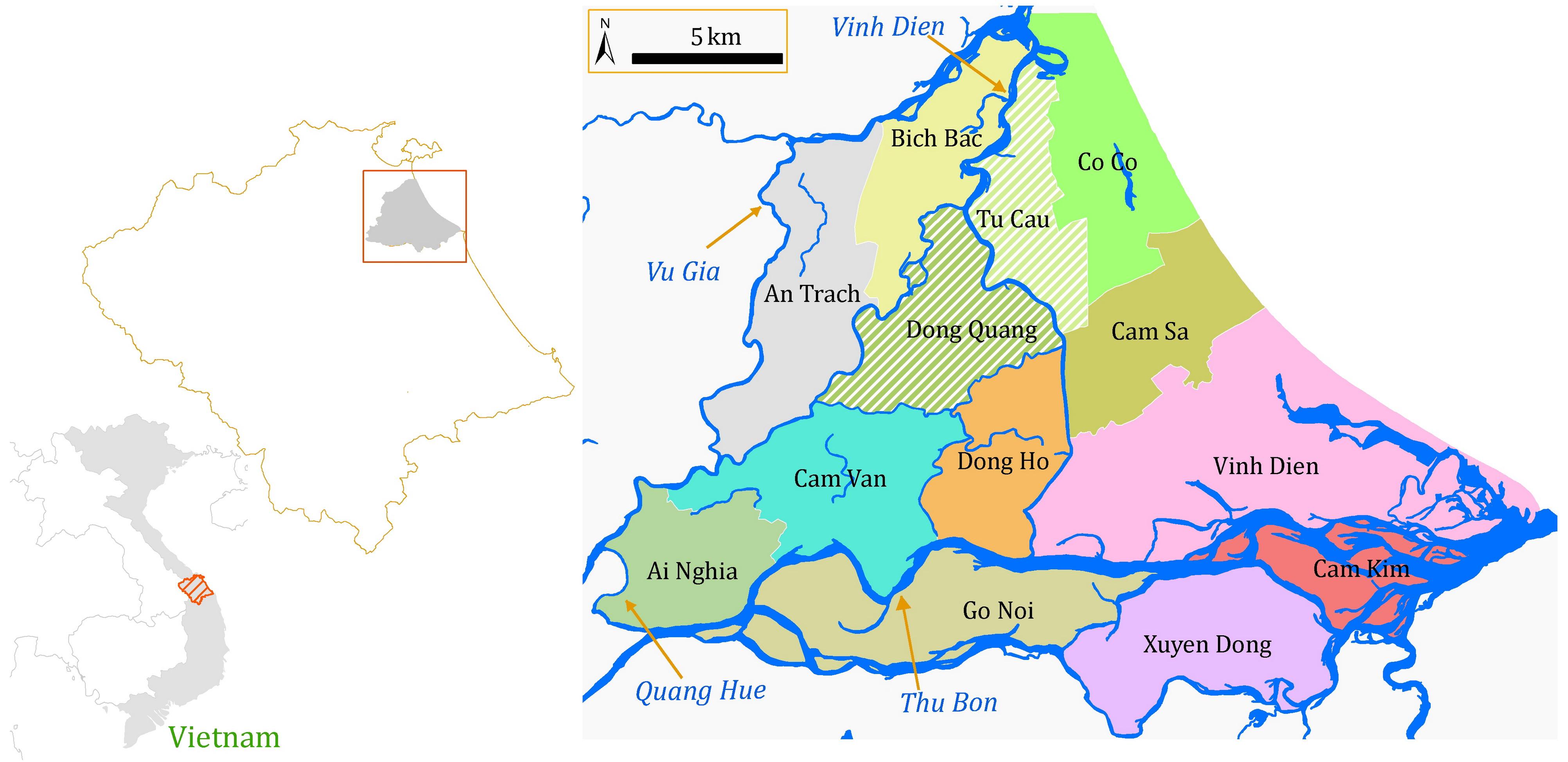
- 📍 Tu Cau and Dong Quang WMUs, Quang Nam Province
- 🗓 2013-08-03
- 📷 Tran Thi Ha Van
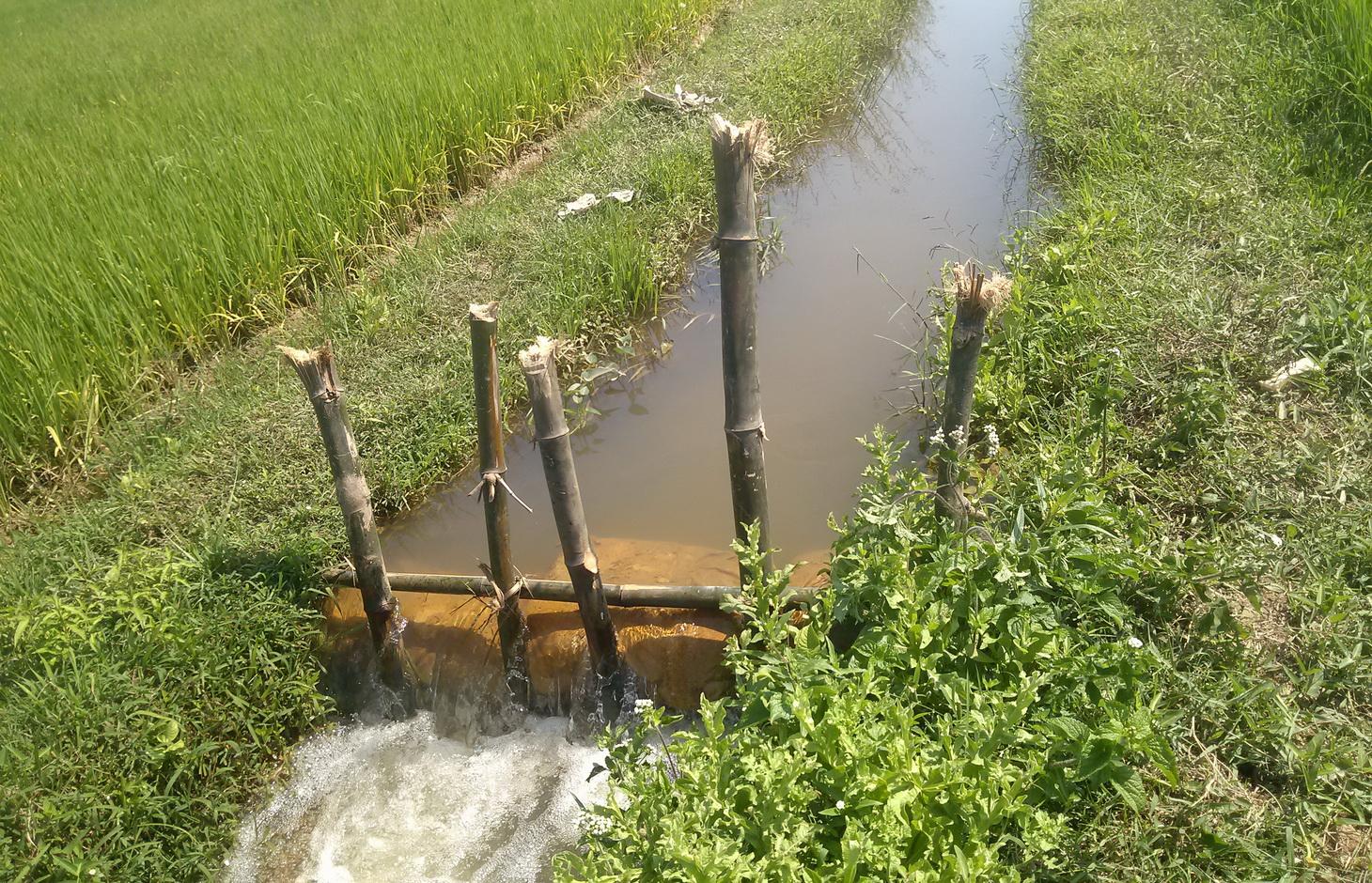
- 📍 Tu Cau WMU, Dien Ban, Quang Nam Province
- 🗓 2013-02-03
- 📷 Tran Thi Ha Van
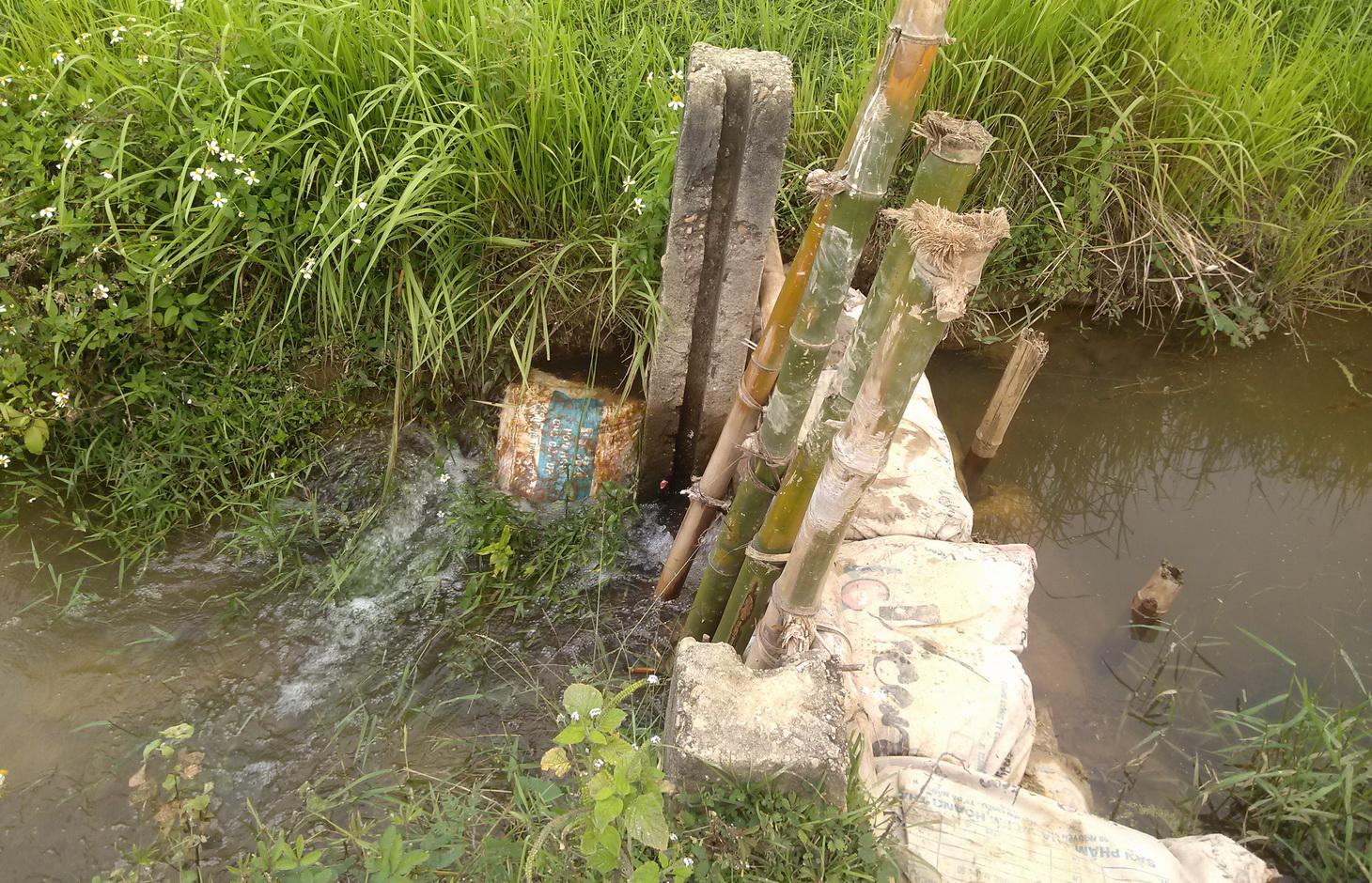
- 📍 Dong Quang WMU, Dien Ban, Quang Nam Province
- 🗓 2013-11-03
- 📷 Tran Thi Ha Van
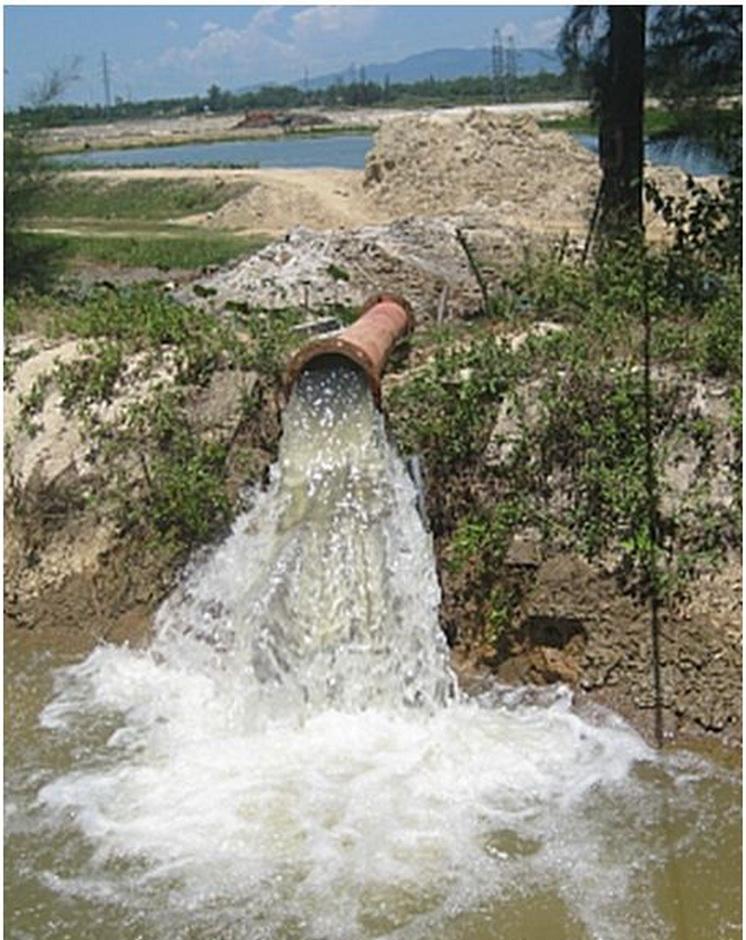
- 📍 Tu Cau WMU, Dien Ban, Quang Nam Province
- 🗓 2013-02-03
- 📷 Tran Thi Ha Van