
Riverbank stabilization
Type: Technologies
Creation: 2015-10-12 15:42 Updated: 2019-03-06 15:13
Compilers: Aqila Haidery
Reviewers: Deborah Niggli, Joana Eichenberger
Country/ region/ locations where the Technology has been applied and which are covered by this assessment
- Country: Afghanistan
- Region/ State/ Province: Bamyan
- Further specification of location (e.g. municipality, town, etc.), if relevant: Saighan
- Map: View Map
Description of the SLM Technology
Short description of the Technology
A low cost and an easy activity for protecting agricultural lands, gardens and public infrastructure from the damages of flash flood.
Detailed description of the Technology
Lack of vegetation coverage in the hills and mountains of Saighan district has become the source of destructive flash floods. Harvest of shrubs and other vegetation for fuel wood and the uncontrolled grazing of animals in upper catchment areas are some of the reasons for the loss of vegetation. Flash floods, that mainly occur during the spring and summer seasons, destroy many hectares of agriculture lands and gardens,damage public infrastructures and sometimes threatens lives.
The plantation of long root trees in lower catchment areas is an effective and low-cost technology. Its objective is to prevent flood damage. Trees
hold the soil in place with their root structures decreasing land degradation and soil erosion. It is a low cost activity that can be
alternative option to protection walls which are more costly, both in terms of establishments and maintenance. Additional benefits of the technology are the increased availability of wood beams for
construction, of fuel wood and of fodder. This technology, coupled with information campaigns, may help to provide a strong disincentive against
cutting shrubs and grazing in upper catchment areas. In addition, increasing the number of indigenous trees help reduce the negative effects of climate change. The trees also serve as wind breaks.
Having mobilized the community, areas along the watercourse that have been damaged by floods as well as unproductive lands were selected. Based on their ability to adapt well to the local environment, cuttings of Salix (or Willow) and Populus (or Poplar) were selected for planting. Cuttings were provided from the district. Each participating household planted 400 cuttings (2 m long size). The cuttings were planted at a distance of 25 cm and the line to line distance was 100 cm. For the first year, wooden belts, placed along the plating line may protect the new saplings from flood damages, ensuring that the sapling are able to grow. Protection by fencing with barbed wire in two first years also prevents grazing of leaves and new branches by animals.
Interested households should be introduced by the Community Development Council members through a transparent selection process and considering the following criteria:
•the household should be interested to plant long root tree cuttings;
•the household should have enough degraded / riverbank and waste land to plant cuttings;
•Willingness to invest.
The cost of applying riverbank stabilization (plantation of Salix and Populus) is estimated to be 10 AFN/cutting. One person can plant over 500 cuttings per day. In this case, 50% of the cutting cost was contributed by HELVETAS projects and 50% of the cost of the cuttings was contributed by the participating households.
Participating households maintain the plantations. They are responsible for irrigating the cuttings and for protecting them from grazing animals for the first few years. In addition to improved flood protection, participating households increased their understanding riverbank stabilization and energy plantation and managing cuttings (selection, land preparation, fascine and palisade plantation).
Bamyan province is a remote province of Afghanistan with a high poverty rate. It has a semi-arid climate with cold winters and hot and dry summers. During winter, temperatures can drop below -22 degrees. Summer temperatures can reach 34 degrees in the month of July. The average annual rainfall in the area is about 230 mm and some years can be very dry. 90% of the population relies on subsistence agriculture for their livelihoods and off-farm activities are marginal. The growing season in Saighan district is relatively short from April to October and farmers can produce only one crop per year. Farmers with access to irrigation water cultivate cash crops, for example potato and vegetables, in addition to staple crops (wheat) and fodder crops. Those without access to irrigation water cultivate wheat and fodder crops only. Water scarcity during May to September may result to lack of high value crops.
Photos of the Technology
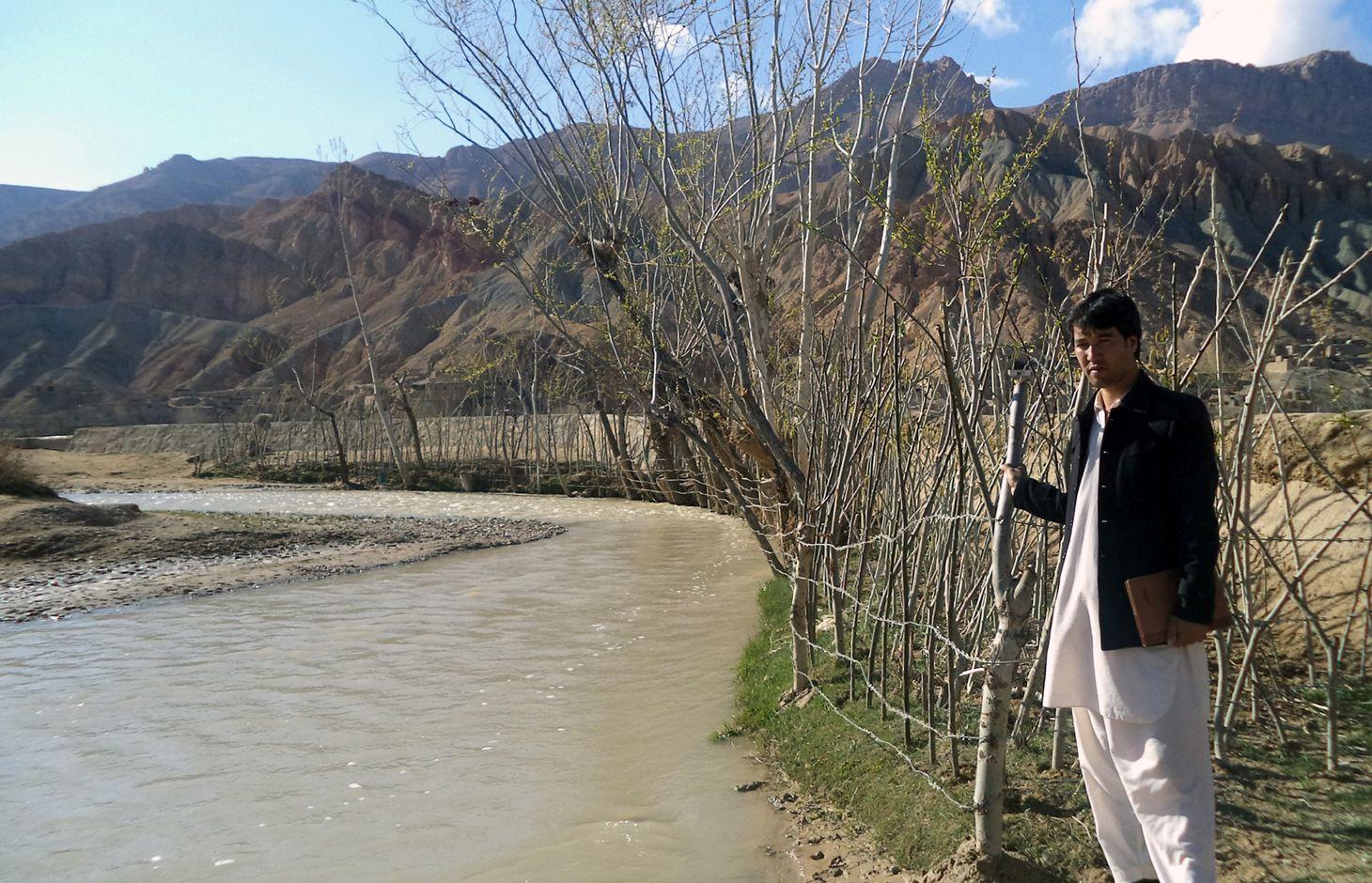
- 📍 Saighan district, Bamyan province
- 🗓 2015-07-04
- 📷 Shabir Shahem (HELVETAS Swiss Intercooperation, Afghanistan)
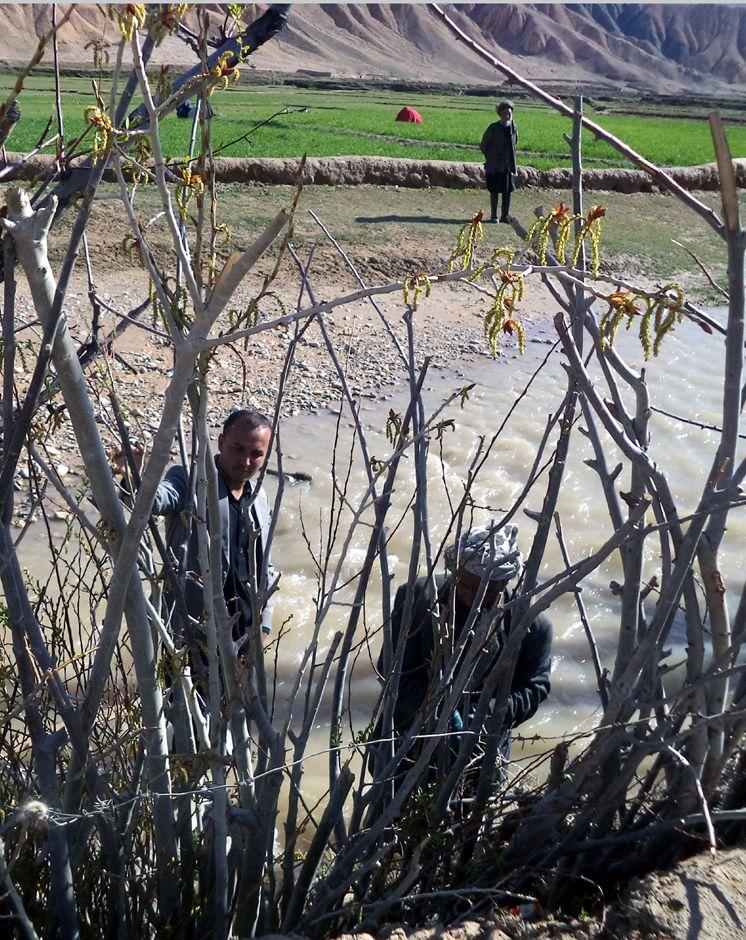
- 📍 Saighan district, Bamyan province
- 🗓 2015-07-04
- 📷 Shabir Shahem (HELVETAS Swiss Intercooperation, Afghanistan)