
Compact Farming for Vegetables Production
Type: Technologies
Creation: 2016-03-24 02:21 Updated: 2019-09-05 15:55
Compilers: Philippine Overview of Conservation Approaches and Technologies
Reviewers: Fabian Ottiger, Alexandra Gavilano
Country/ region/ locations where the Technology has been applied and which are covered by this assessment
- Country: Philippines
- Region/ State/ Province: Barangay Villaconzoilo
- Further specification of location (e.g. municipality, town, etc.), if relevant: Jaro, Leyte
- Map: View Map
Description of the SLM Technology
Short description of the Technology
Landusers are organized into a group or association to undertake jointly activities in the farm which include operation, input procurement, and marketing of produced crops.
Detailed description of the Technology
Compact farming in Brgy. Villaconzoilo was started by the barangay captain Mr. Alex O. Aborita wherein parcels of lands were acquired for the association to utilize. He organized the Villaconzoilo farmers’ group also known as the Compact Farming Agriculture Cooperative where he introduced new technologies to improve the farming system of the community. Farmers cultivate vegetable on a contract growing scheme. Some of the farm practices consist of growing vegetables and fruits using indigenous organic materials as soil conditioner and livestock raising. Vegetables and fruits are cultivated in divided parts but in the same area.
Purpose of the Technology: Compact farming was organized to enhance group interactions and leadership among members of the association.The aim of the landusers in growing organic vegetables is to revive and sustain soil fertility and maximize waste management practice. Marigold was also planted in between plots within the farm to prevent and control insect and pest manifestation. Landusers in the barangay were empowered through farming and conservation of the forest area. Through this technology, marketability and available markets for the produced commodities were increased. The association received numerous award in the regional and provincial level because of their demonstration of a productive and profitable farming system in the upland area.
Establishment / maintenance activities and inputs: It started in 2011 with 18 farmers investing 1000 pesos (22 dollars) each to buy initial inputs such as land, seeds and fertilizer. The area was cleared for agricultural activities. Produced are high value crops such as tomatoes, lettuce, pechay, cabbage, carrots, beans, broccoli, cucumber, and radish. These are sold not only in Jaro but also in the neighbouring municipalities and big markets in Leyte. The barangay was dubbed as the “Vegetable Basket” and the “Watermelon Queen” because of their production. Activities in the farm such as plowing, harrowing, establishment of plots, fertilizer application, transplanting, watering, spraying and harvesting are done in a rotational basis among members of the association.
Natural / human environment: Most of the farmers cultivated one parcel with size ranging from 1000-2000 square meters. Land ownership and land use right is communal. The farm production is managed by the cooperative composed of small scale land users. Members of the association are enganged in off-farm activities such as hunting and hired labor for additional income. The municipality of Jaro, Leyte has a type A modified climatic classification with an average monthly rainfall of 1000 to 1500 mm. Typhoons that usually come in October or November is very destructive to any standing crop. These factors discourage farmers to apply external inputs like fertilizer. The municipality has mostly acidic soil type with pH ranging 4.8 to 5.6.
Photos of the Technology
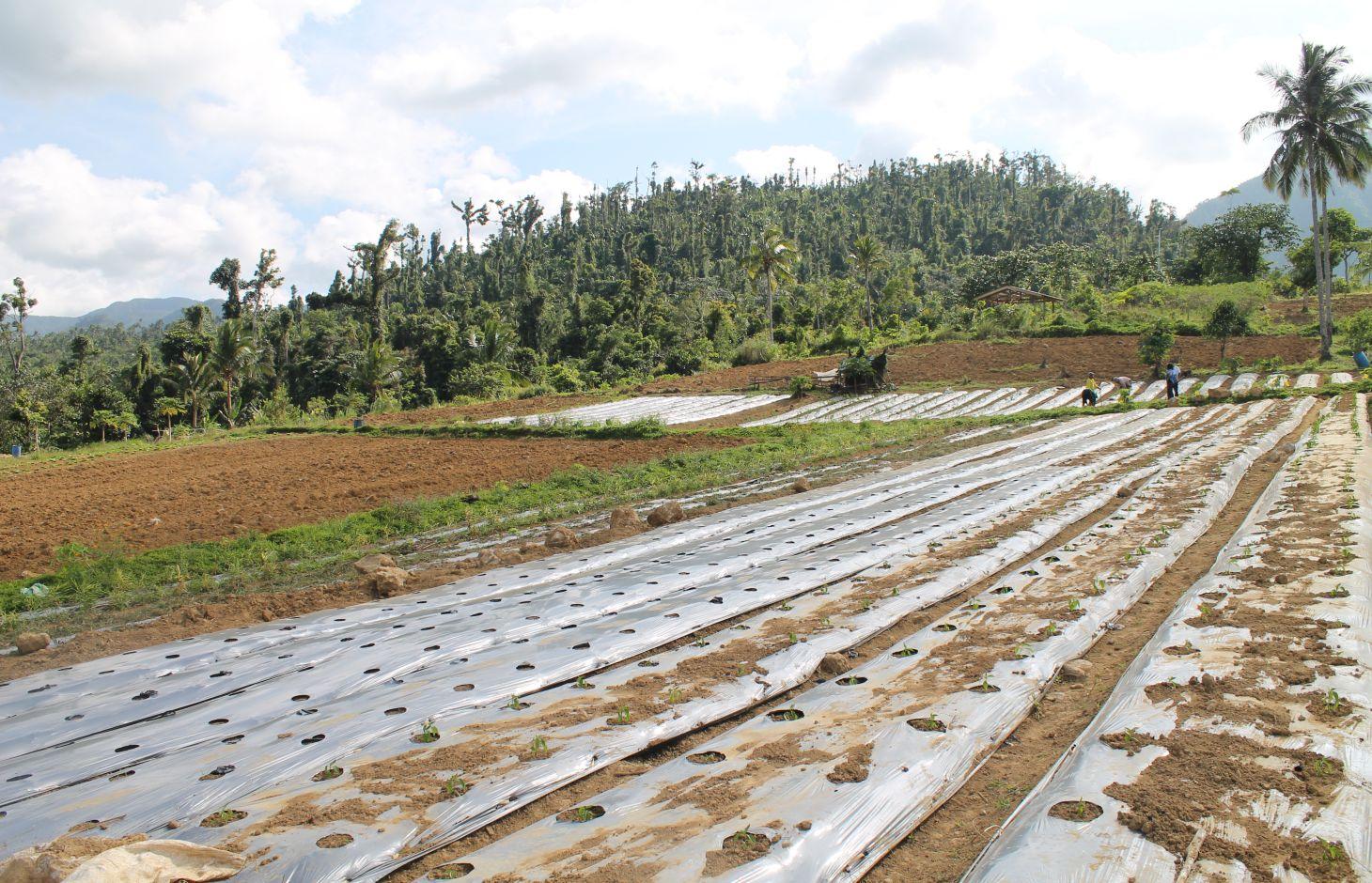
- 📍 Villaconzoilo, Jaro, Leyte, Brgy. Villaconzoilo
- 📷 Engr. Djolly Ma. P. Dinamling (Bureau of Soils and Water Management)
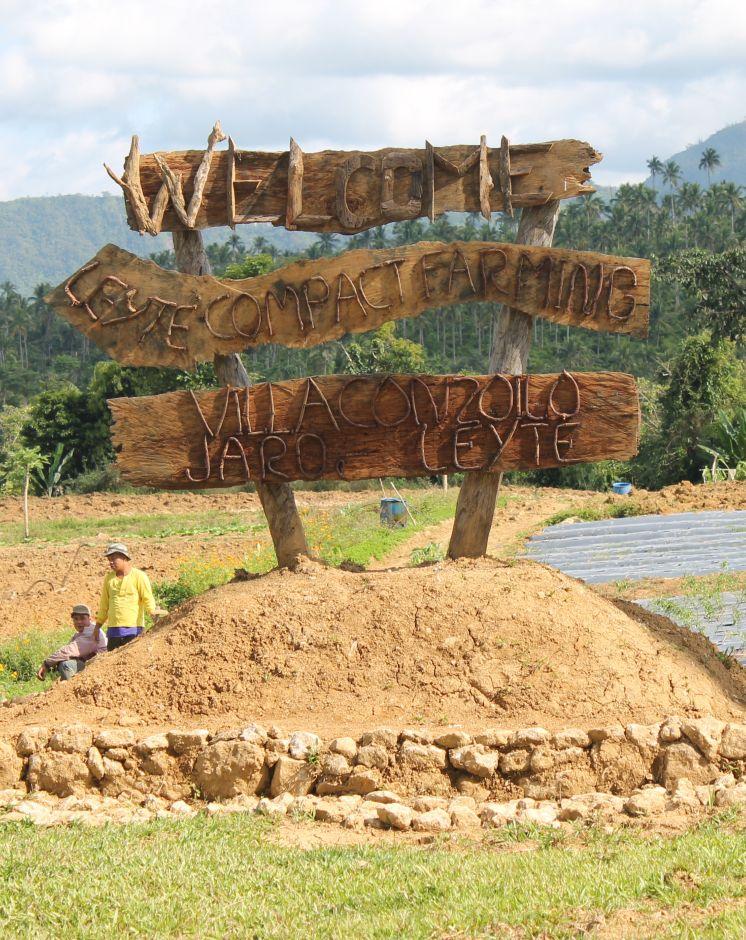
- 📍 Brgy. Villaconzoilo, Jaro, Leyte
- 📷 Engr. Djolly Ma. P. Dinamling (Bureau of Soils and Water Management)