Cultivation of Hing (Ferula assa-foetida) in the watershed
Type: Technologies
Creation: 2016-04-17 11:25 Updated: 2019-03-11 14:12
Compilers: Aqila Haidery
Reviewers: Alexandra Gavilano
Country/ region/ locations where the Technology has been applied and which are covered by this assessment
- Country: Afghanistan
- Region/ State/ Province: Bamyan
- Further specification of location (e.g. municipality, town, etc.), if relevant: Saighan
Description of the SLM Technology
Short description of the Technology
Ferula assa-foetida is an important medicinal plant, a valued cash crop and a native plant of Afghanistan’s range-lands.
Detailed description of the Technology
Cultivation of hing (Ferula assa-foetida) in watersheds is documented by the Sustainable Land Management Project which is implemented by HELVETAS Swiss Intercooperation and funded by the Swiss Agency for Development and Cooperation (SDC). Ferula assa-foetida, or hing, is a medicinal plant that grows well in shallow sandy and alkaline soils in semi-arid climates and at high altitudes and is a native plant of Afghanistan’s upper catchment areas. Due to the enduring conflict and the consequent breakdown of community-managed grazing in upper catchment areas, most range-lands in Afghanistan are been seriously degraded. Uncontrolled grazing of animals and growing cereal crops on range-lands are the main contributors to the loss of vegetation coverage in upper catchments. One of the negative consequences are flash floods occurring several times a year, damaging agricultural lands, irrigation canals, houses and other infrastructure while often also causing fatalities.
In order to decrease the risk of flash floods, improve pastures and extend cash crop cultivation in upper catchment areas, HELVETAS Swiss Intercooperation has implemented community-based watershed activities such as structural and agronomic measures to control water runoff.
Hing has been identified as a suitable agronomic measure in watershed management in Saighan district. HELVETAS Swiss Intercooperation and the target communities selected hing as a valuable cash crop and a suitable plant for watershed rehabilitation. Today, hing is cultivated on 1,400,000 m2 (140 ha) in nine watersheds and with the participation of 1500 families. The growing period of hing depends on the local climate but tends to be 5-10 years and culminates in the pants’ flowering. During the first five years hing has grey colored leaves. Later a stem appears and grows more than a meter high. The stem is large and yellow and at the end of the main and subordinate stems are yellow flowers. The width of the hing root varies between 7-15 cm and usually goes as deep as 30-40 cm into the soil. Hing plantations have been established with the involvement of the local communities and are managed by the responsible watershed committee. The harvest of hing is organized by the watershed committee and all households have the right to participate and sell hing for income generation. To maintain watershed activities, such as hing cultivation, a safe box has been created for each community-managed watershed. The watershed committee manages the safe box and collects funds for maintenance, community development and emergency projects, according to the watershed management plan which has been developed by the local communities with support of HELVETAS Swiss Intercooperation.
Natural / human environment: Bamyan is a remote province of Afghanistan with a high poverty rate. It has a semi-arid climate with cold winters and hot and dry summers. During winter, temperatures can drop below -22 degrees. Summer temperatures can reach to 34 degrees in the month of July. The average annual rainfall in the area is about 230 mm and some years can be very dry. 90% of the population relies on subsistence agriculture for their livelihoods and off-farm activities are marginal. The growing season in Saighan district is relatively short from April to October and farmers can produce only one crop per year. Farmers with access to irrigation water cultivate cash crops, for example potato and vegetables, in addition to staple (wheat) and fodder crops. Those without access to irrigation water cultivate wheat and fodder crops only. Water scarcity from May to September may result in a lack of high value crops.
Photos of the Technology
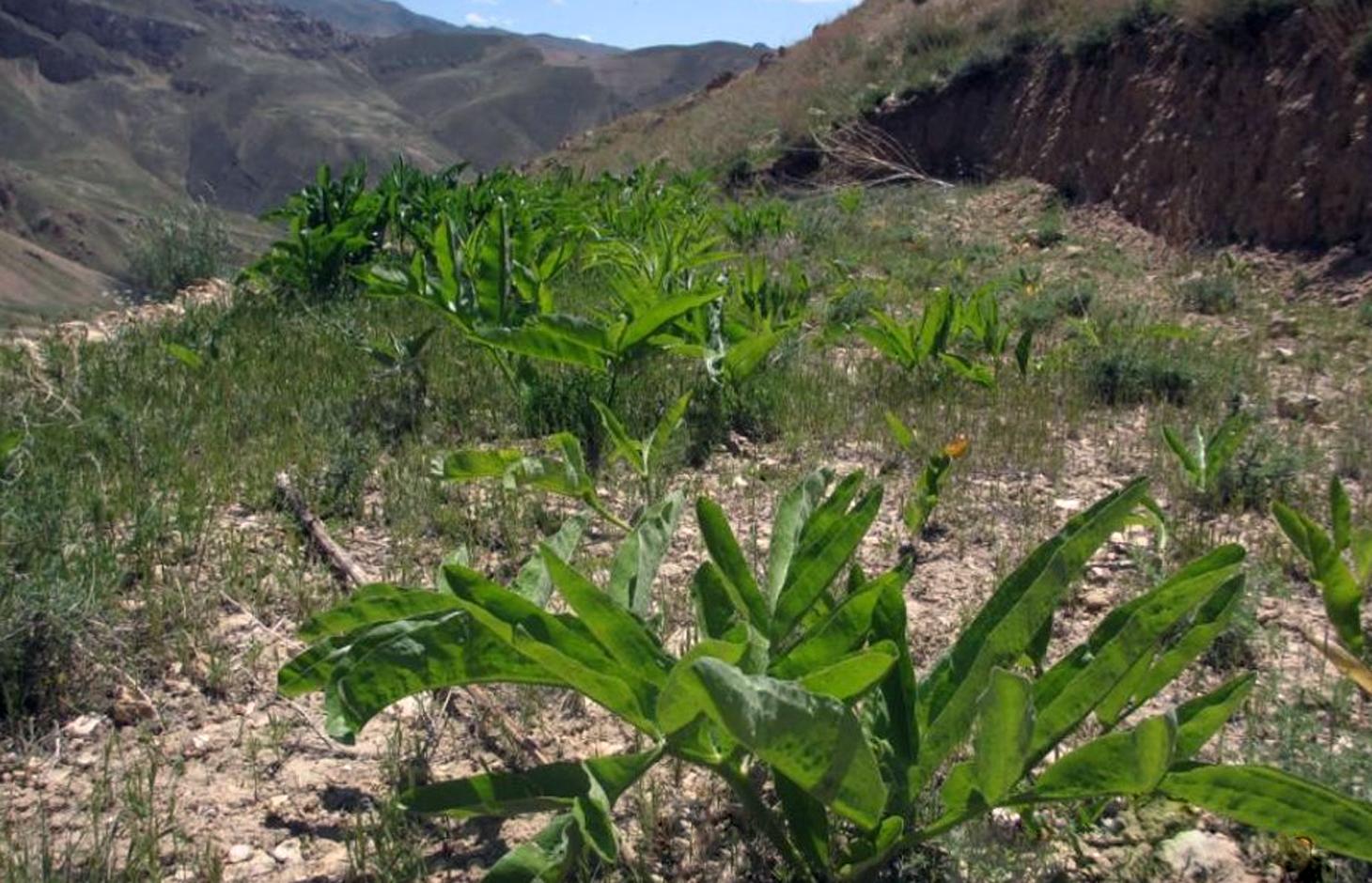
- 📍 Saighan, Bamyan
- 📷 Shabir Shahem (HELVETAS Swiss Intercooperation, Afghanistan)
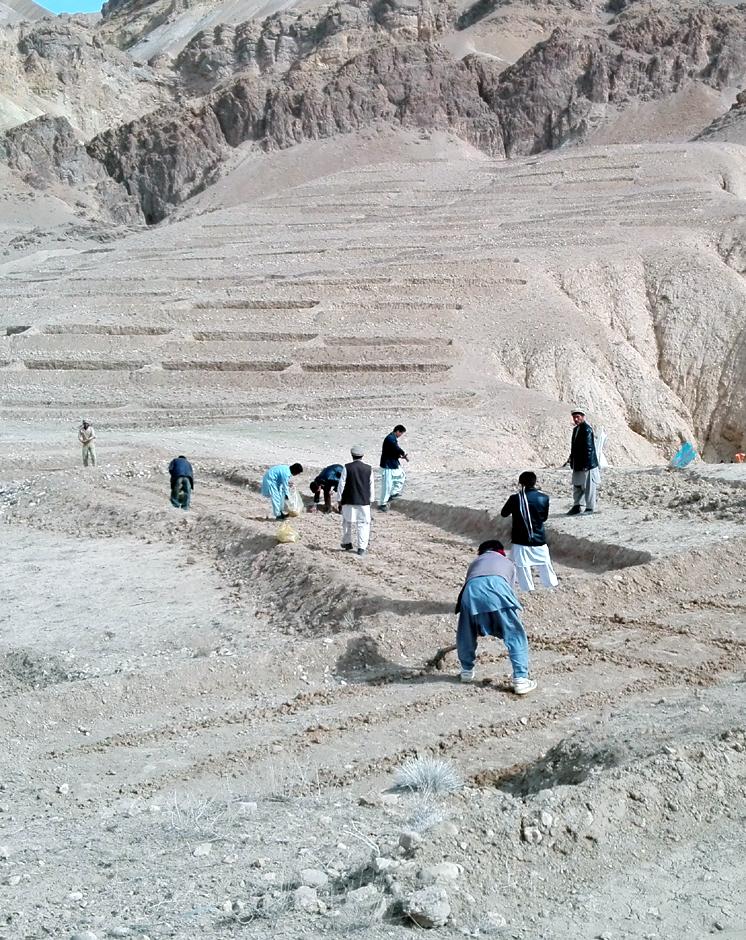
- 📍 Saighan, Bamyan
- 📷 Shabir Shahem (HELVETAS Swiss Intercooperation, Afghanistan)